


The current rise in energy has weighed on Nigeria headline inflation, pushing it up slightly to 15.38 per cent last month, compared to the February figure of 15.06 per cent, the National Bureau of Statistics (NBS) said yesterday.
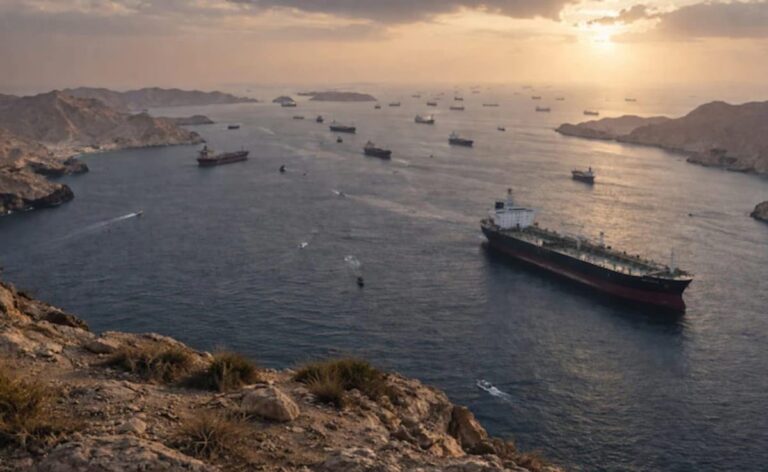
The spillover effects of the Middle East crisis triggered the costs of energy globally. The impacts are felt on the cost of food items, transport and related services in Nigeria.
On a year-on-year basis, the headline inflation rate for March stood at 15.38 per cent, when compared to 15.06 per cent and 27.35 per cent recorded in February 2026 and March 2025, respectively. The month-on-month headline inflation rate in March 2026 was 4.18 per cent, which was 2.17 per cent higher than the rate recorded in February 2026 (2.01 per cent).
The Bureau identified three major contributors to headline inflation, which include food and non-alcoholic beverages- 5.55 per cent, restaurants & accommodation services, 3.26 per cent, and transport 1.80 per cent.
The least contributors were recreation, sport, and culture0.00%, alcoholic beverages, tobacco, and narcotics- 0.02 per cent, while insurance and financial services were 0.02 per cent. In the month reference, food inflation was 14.31 per cent on a year-on-year basis, lower than 25.22 per cent recorded in March 2025.
Also, on a month-on-month basis, the food inflation rate last month was 4.17 per cent, down by 0.52 per cent points from February 2026 (4.69 per cent).
This can be attributed to the rate of change in the average prices of water yam, ginger (fresh), cassava tubers, groundnuts (shelled), Irish potatoes, avenger (Ogbono/Apon), tomatoes (fresh), and cassava flour, among others.
According to NBS, all-Items inflation rate on a year-on-year basis was highest in Bayelsa (27.37 per cent), Sokoto (26.03 per cent), and Bauchi (23.67 per cent), while Osun (5.25 per cent), Kano (9.85 per cent) and Kaduna (10.38 per cent) recorded the lowest rise in headline inflation on a year-on-year basis.
On a month-on-month basis, however, March 2026 recorded the highest increases in Zamfara (10.77 per cent), Bauchi (9.37 per cent) and Sokoto (9.05 per cent), while Lagos (1.54 per cent), Akwa Ibom (1.80 per cent), and Rivers (1.89 per cent) recorded a decline in the month-on-month inflation.