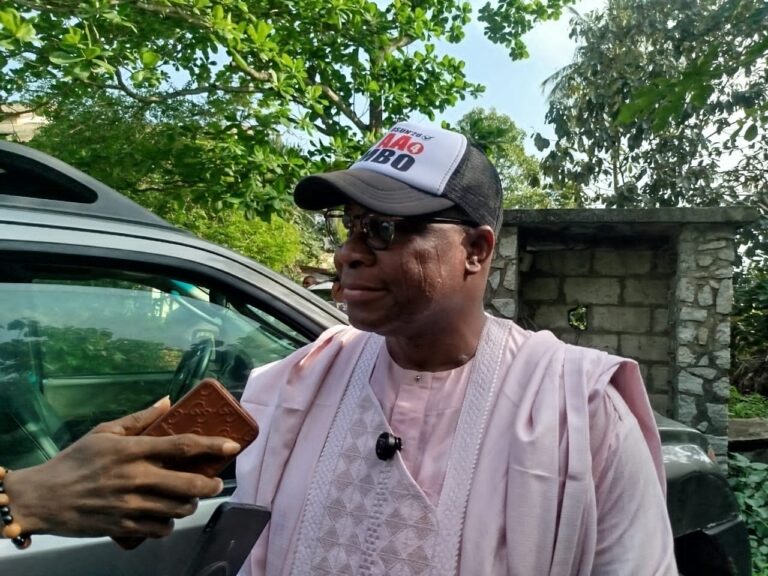
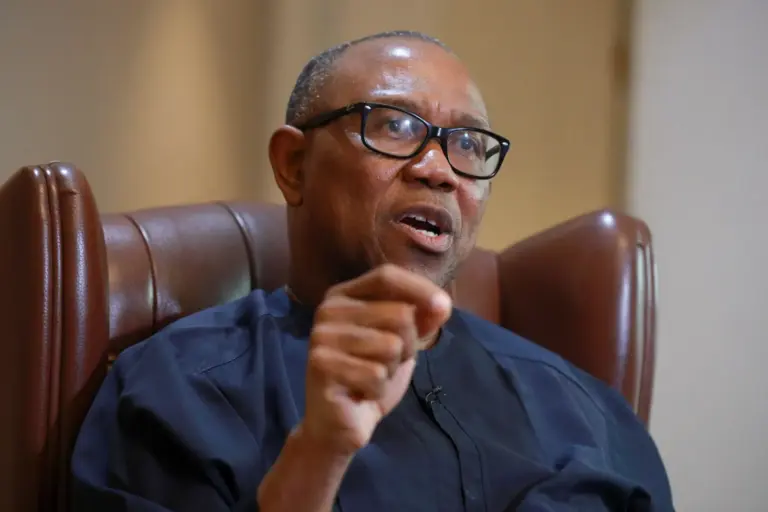
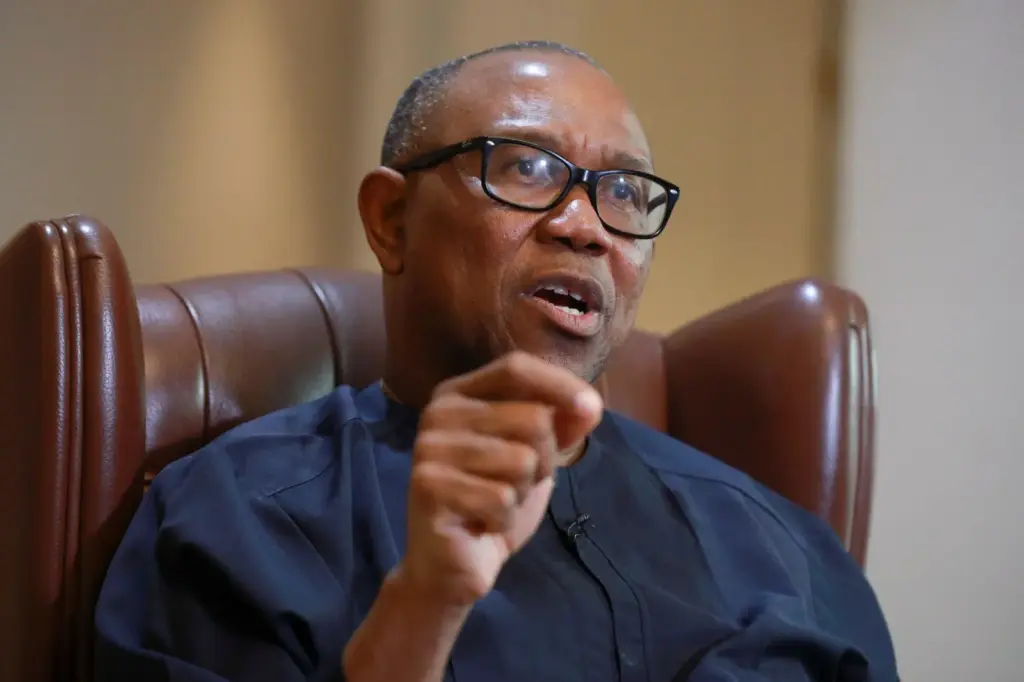
The 2023 presidential candidate of the Labour Party (LP) and former Anambra State governor, Peter Obi, has raised alarm over what he described as massive revenue leakages in Nigeria, warning that the trend reflects deep-rooted institutional failures and poses a serious threat to national development.
Obi’s reaction follows recent World Bank findings indicating that although Nigeria generated about ₦84 trillion in federation revenue within three years, approximately 41 per cent, estimated at ₦34.44 trillion, was not remitted into the Federation Account.
The former Anambra State governor noted that the unaccounted sum is nearly equivalent to the combined ₦34 trillion budgeted for capital expenditure in the 2024 and 2025 Appropriation Acts, describing the situation as alarming.
Drawing a historical comparison, Obi recalled the 1994 Okigbo Panel report, which uncovered that $12.4 billion from the Gulf War oil windfall was unaccounted for, a development that sparked widespread outrage across the country.
READ ALSO:
He said, “This is not a mere oversight; it points to institutionalised corruption on a massive scale.”
He said the current situation appears even more troubling, yet has not generated a similar level of public concern.
“We are trapped in a lethal paradox: Earning more as a nation, yet having less to invest in healthcare, education, and infrastructure.”
He further stated that from 2025, systemic deductions have enabled certain government agencies to retain large portions of national revenue, in some instances surpassing allocations to entire states and key ministries.
“These leakages explain why countries with fewer resources are outperforming us across key development indices.”
Obi warned that continued financial losses would further weaken investments in critical sectors such as power, education, healthcare, and infrastructure.
“With such a broken system, how can we fix power, strengthen our schools, build resilient healthcare, or develop critical infrastructure?”
He called for urgent reforms anchored on transparency, discipline, and accountable leadership to curb revenue leakages and ensure that national resources are properly managed.
“Nigeria has no business being poor.”
Obi stressed the need for collective action to address systemic corruption and reposition the country on the path of sustainable growth.
“With our collective resolve to change this corruption-infested system,
a New Nigeria is POssible.”