

The Niger Delta, one of the world’s most oil-rich wetlands, is facing what environmental experts describe as a severe ecological breakdown driven by decades of extraction, spills, and gas flaring.
Despite producing the bulk of Nigeria’s crude oil, the region continues to struggle with poverty, pollution, and infrastructure decay.
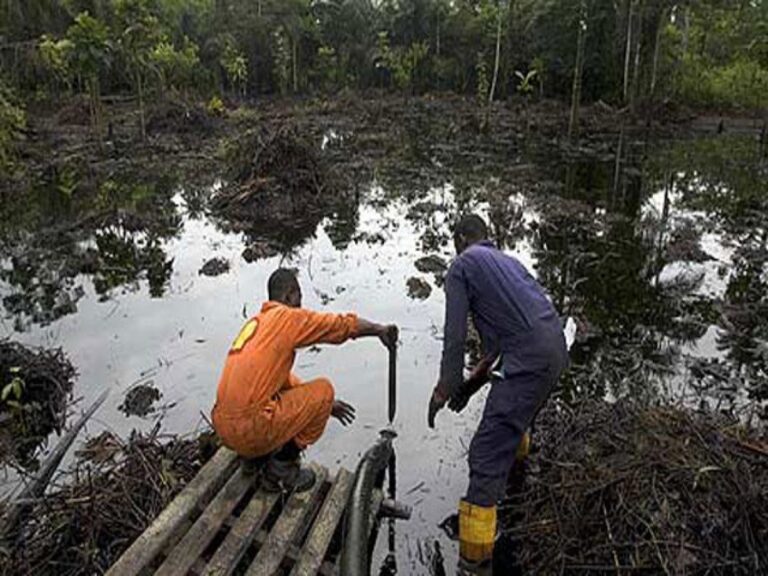
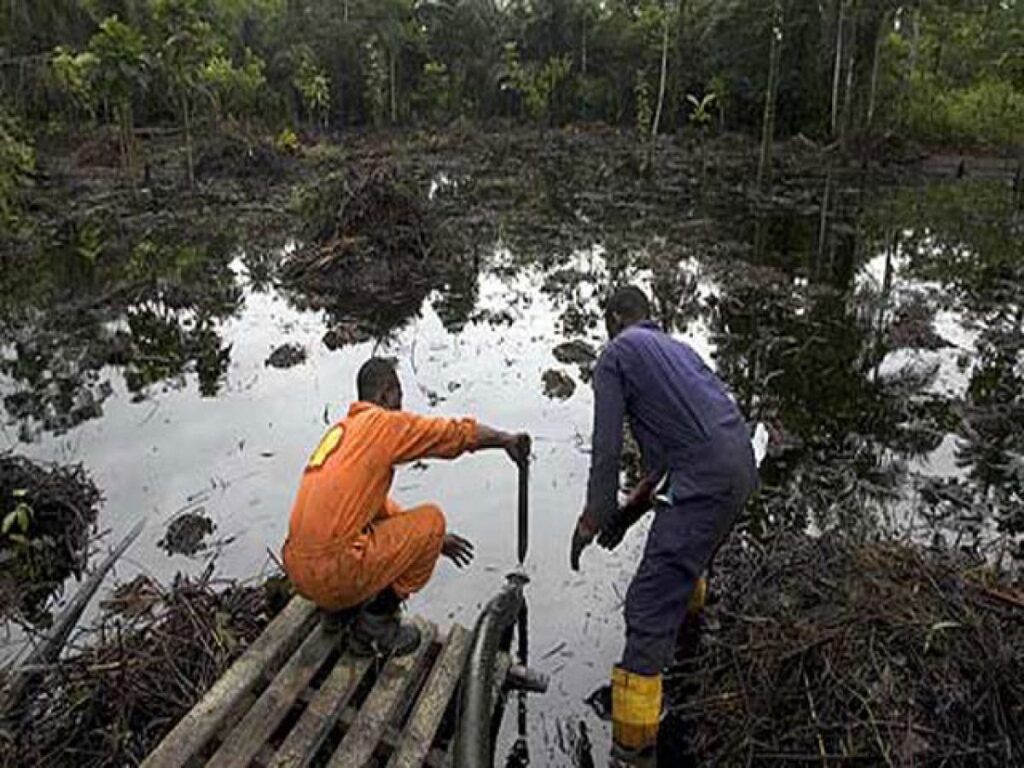
According to field data, Nigeria recorded at least 589 oil spills in 2024, releasing about 19,000 barrels of crude oil into land and waterways.
The contamination has affected farming, fishing, and drinking water across multiple communities.
Nigerian filmmaker and content creator Steven Ndukwu, known for over 100 million online views across his travel documentaries told from an African storyteller’s perspective, spent 30 days travelling through the Delta to document the crisis.
His video has since resonated deeply with audiences, particularly across the African community, drawing over 365,000 views and more than 1,000 comments from people who said it challenged assumptions about prosperity and governance, showing that resource richness and human dignity do not always go hand in hand.
“I can smell oil everywhere,” said Ndukwu, who documented his journey through the region. “There are particles of oil all around the river. Yet the people living here don’t look wealthy at all.”
The investigation highlights a major contradiction at the centre of Nigeria’s oil economy. While the country depends heavily on crude exports for foreign exchange earnings, many residents living beside pipelines and oil facilities say they receive little benefit from the wealth extracted from their land.
“Oil that we don’t see, we don’t benefit from anything,” one resident said.
Illegal artisanal refineries, commonly called “kpo-fire” camps, have also spread across parts of the Delta. Thick black soot from the operations has covered cities like Port Harcourt, worsening respiratory illnesses and air pollution.
Medical studies cited in the investigation found dangerous levels of toxic hydrocarbons and carcinogens like benzene in local water supplies and within the bloodstreams of residents living near polluted areas.
The environmental destruction has severely damaged traditional occupations such as farming and fishing, pushing many families deeper into poverty.
“I am travelling through what is one of the most important oil regions in the entire world, and even before you see anything, you can already sense it in the air,” Ndukwu said.
“It feels like oil is everywhere, not just in the water or the ground, but in the atmosphere itself. You can literally smell it as you move deeper into the creeks.”
He added that the closer he moved toward the extraction zones, the more the contradictions between wealth and poverty became impossible to ignore.
“As I go further into these communities, I’m seeing something that doesn’t make sense at all,” he said. “This is where the oil that powers global economies actually comes from, yet the people living here don’t look like people who benefit from any of it. They are surrounded by this immense wealth, but it feels completely out of reach.”
Oil production in the Niger Delta is dominated by multinational operators, including Chevron and Shell, alongside the state-owned NNPC Limited. During his journey through the waterways, Ndukwu reflected on the scale of extraction versus local conditions.
“When you look at the numbers, you realise how massive this is — millions of barrels every day, hundreds of billions of dollars over decades,” he said.
“The oil is still flowing every single day without stopping, without rest. So the question becomes: if this much value is being generated continuously, why does it not reflect in the lives of the people who live on top of it?”
For many African viewers, the documentary struck a particular nerve — offering a candid counter-narrative to the assumption that prosperity lies elsewhere.
The comment section has been flooded with responses from people across the continent who say the film gave them a clearer picture of what resource wealth without community benefit actually looks like.
Environmental advocates also warn that multinational oil companies selling onshore assets to local operators may leave behind ageing infrastructure and abandoned wells without proper cleanup.
As global discussions around energy transition and environmental justice grow stronger, the Niger Delta remains a major test of whether resource-rich regions can balance oil production with sustainable development and human dignity.