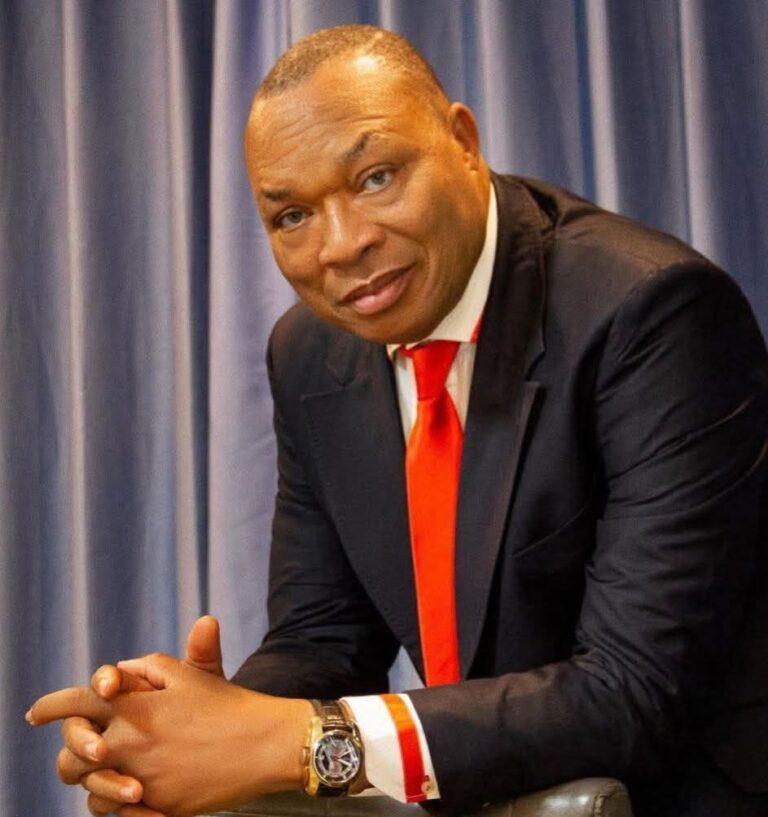
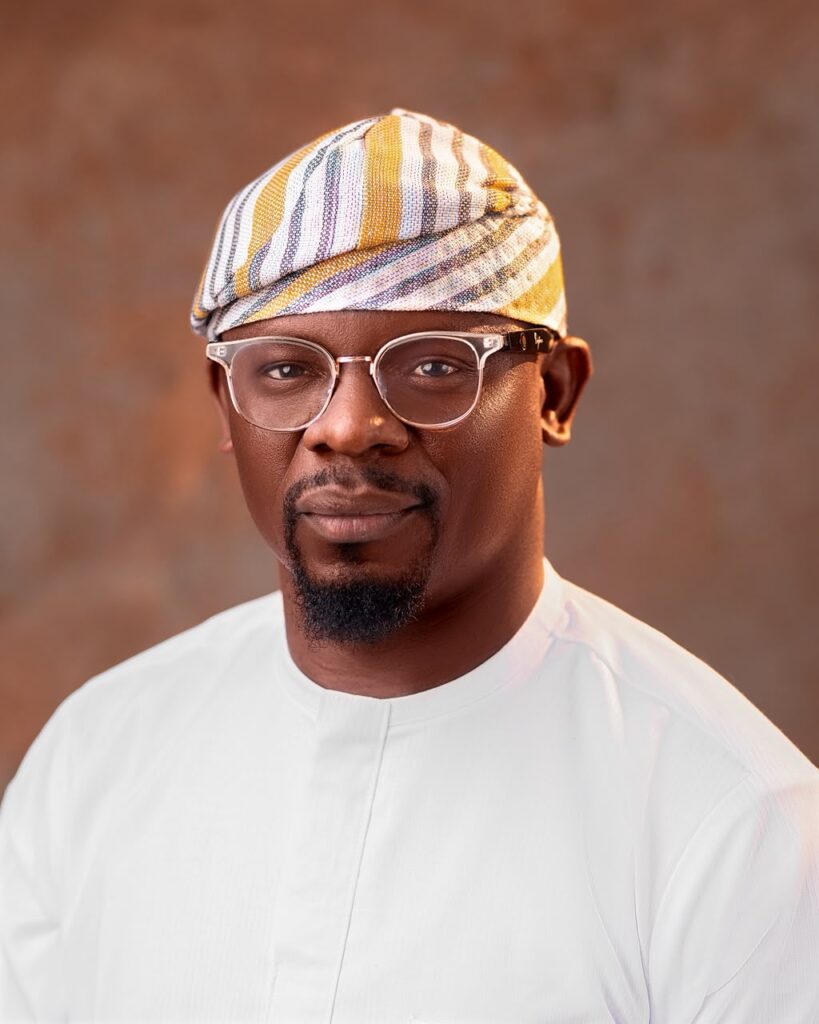
A House of Representatives candidate for Alimosho Federal Constituency in Lagos State under the National Democratic Congress (NDC), Hon. Ifeoluwadayo Salako, has said that his decision to contest the 2027 election was driven by what he described as decades of poor representation and a disconnect between elected lawmakers and the people of the constituency.
This was just as he said that lawmakers should be concerned about making laws to end insecurity in the country.
Speaking during an interview on Tuesday, Salako argued that Alimosho, one of the largest Local Government Areas in Nigeria, has not enjoyed effective representation at the National Assembly since the return to democratic rule in 1999.
According to him, successive representatives have failed to make significant legislative contributions or deliver meaningful development to the people.
“Alimosho has been denied good representation. For over 26 years, there has been a disconnect between governance and the people.
“We decided to take up this challenge because the people deserve better and deserve quality representation at the National Assembly,” he said.
The NDC aspirant also expressed concern over the growing perception that many lawmakers pursue personal benefits rather than public service.
He maintained that he would remain committed to the interests of his constituents if elected and would not succumb to pressure from the ruling party or political interests.
“My name is my most prized asset. I have had opportunities to align with the ruling party in the past, but I refused. It is not now that I will get to the House of Representatives and begin to dance to anyone’s tune. We will stand our ground and work for the people,” Salako stated.
He criticised the current legislature, describing many lawmakers as “rubber stamps” who prioritise the interests of political godfathers over those of the electorate.
According to him, the situation is largely a consequence of flawed electoral processes that allow individuals to emerge through political manipulation rather than genuine popular support.
“You cannot expect people who do not value the votes of the people to get to the National Assembly and suddenly become accountable to them. Many are accountable to their godfathers rather than the citizens who should be their employers,” he said.
On the state of opposition politics ahead of the 2027 general election, Salako dismissed concerns about the lack of a united opposition front, insisting that electoral success does not necessarily depend on all opposition parties coming together under one platform.
He cited historical examples of political realignments in Nigeria and argued that voters would ultimately support candidates they believe can provide credible leadership.
“You don’t need everybody under one umbrella. What matters is identifying the right people to lead. Politics should be about the people, not just political parties or godfathers,” he noted.
Addressing the country’s security challenges, Salako said the legislature has a critical role to play through lawmaking.
He advocated legislation that would mandate the installation of functional security cameras in public and private institutions across the country, arguing that such a move would help curb crime and improve surveillance.
He also called for stricter laws to control the proliferation of arms and weapons.
On the executive arm’s role in tackling insecurity, the NDC chieftain urged government authorities to adopt a firmer approach against criminal elements and terrorists.
Speaking on Nigeria’s economic challenges, Salako faulted what he described as the government’s focus on macroeconomic policies at the expense of small and medium-scale enterprises.
He stressed that empowering small businesses remains the most effective way to stimulate economic growth and create jobs.
“Our economy is largely driven by SMEs, yet government policies seem to favour only big corporations. We need to strengthen the microeconomy and empower small businesses because they form the backbone of the nation’s economy,” he said.
He also reiterated his opposition to fuel subsidy removal, arguing that the government should have first addressed corruption within the subsidy regime and prosecuted those responsible for abuses before implementing such a policy.
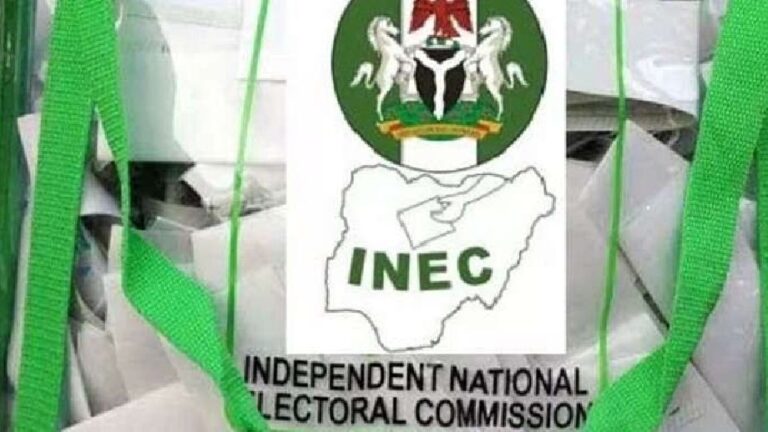
As preparations intensify for the 2027 elections, Salako appealed to the Independent National Electoral Commission (INEC) to remain truly independent and ensure that every vote counts.
He urged the electoral body to uphold public trust by conducting transparent elections and resisting pressure from political actors.
“The ‘I’ in INEC means Independent. Nigerians trust the commission with their votes and their future. INEC must remain impartial, protect the sanctity of the ballot and ensure that the will of the people prevails,” he said.