


Female Network Collaborates UNFPA/UNICEF To Deepen Advocacy On Anti-FGM Campaign In Ekiti
Stakeholders across Ekiti State have renewed calls for stronger collaboration, sustained public sensitisation, and strict enforcement of existing laws against Female Genital Mutilation (FGM).
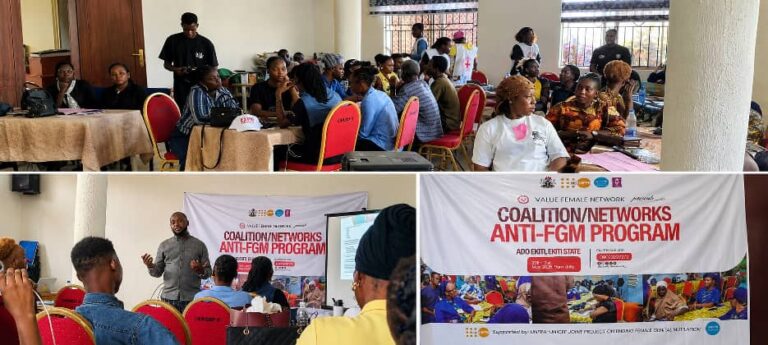
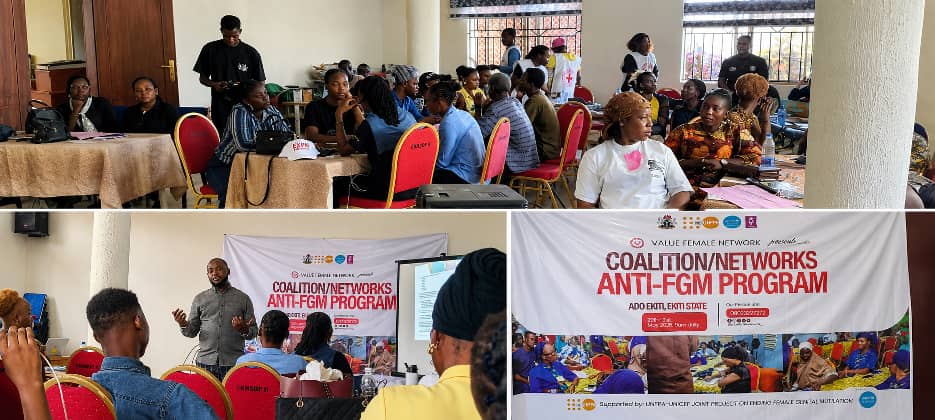
This was the focus of a two-day capacity-building training organised by Value Female Network (VFN) with support from the UNFPA/UNICEF Joint Programme on the Elimination of FGM.
The training, held in Ado-Ekiti, brought together representatives of coalition networks, Civil Society Organisations, community leaders, educators, gender advocates, and other stakeholders engaged in efforts to end Female Genital Mutilation and other harmful traditional practices.
Designed to strengthen advocacy and community engagement, the programme equipped participants with knowledge and practical skills needed to effectively drive public sensitisation and promote behavioural change within communities.
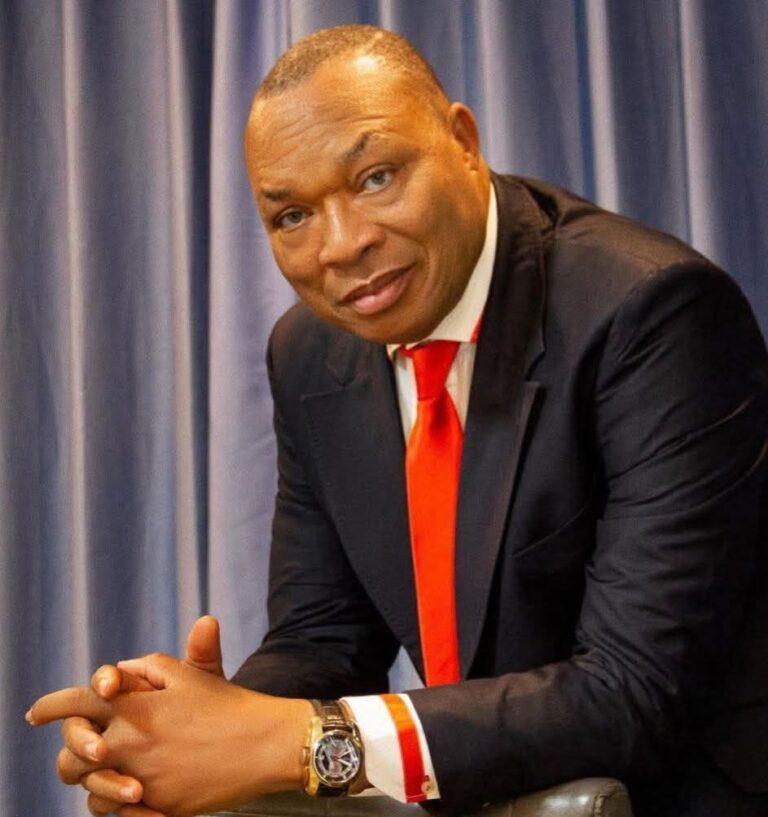
Speaking at the event, VFN Global’s Head of Programmes, Mr Samuel Abimbade, explained that the intervention was aimed at strengthening coalition networks that reach across communities and diverse beneficiary groups.
Participants were trained on Comprehensive Life Skills Education, globally recognised as Comprehensive Sexuality Education (CSE), covering the programme’s ten modules.
Abimbade said, “The expectation is that participants will cascade the knowledge gained to members of their coalitions, communities, and wider networks, ensuring continuous awareness creation on issues affecting girls and women,” he said.
Abimbade expressed concern over emerging data showing that Ekiti State now records one of the highest prevalence rates of Female Genital Mutilation in Southwestern Nigeria.
He added that the campaign would extend beyond the training, with planned engagements involving parents, school teachers, in-school and out-of-school girls, and educators in both formal and non-formal learning environments.
“Our goal is to empower these groups with accurate information so they can make informed decisions and become champions of positive change in their communities,” he stated.
Emphasising the need for collective action, Abimbade stressed that harmful traditional practices cannot be eliminated through isolated efforts.
“Traditional rulers, religious leaders, men, women, youth groups, and every relevant stakeholder must work together if lasting change is to be achieved,” he added.
Also speaking, the Programme Officer for the Ekiti State Coalition Programme, Barr. God’s Grace Osugboun urged the state government to intensify enforcement of anti-FGM legislation while strengthening community-level sensitisation.
She noted that although laws prohibiting FGM exist, deeper engagement remains necessary, especially among traditional and community leaders.
“Government must continue educating communities and ensure that anyone found violating the law is held accountable. Continuous advocacy remains critical where harmful practices persist,” she said.
Osugboun further appealed that efforts to end FGM should remain focused on protecting the rights, health, and future of girls rather than becoming subject to political considerations.
One of the key sessions was facilitated by the Ekiti State Gender Officer, Mrs Dupe Amodu, who highlighted the physical, emotional, and psychological consequences of Female Genital Mutilation on girls and survivors.
She explained that survivors often endure long-term health and psychosocial challenges that may affect their quality of life and well-being. Participants were also reminded that FGM remains a criminal offence in Ekiti State and that perpetrators are liable to prosecution under the law.
At the end of the programme, participants pledged to intensify the dissemination of the anti-FGM message across their coalition networks and communities to accelerate efforts toward the complete eradication of the practice.