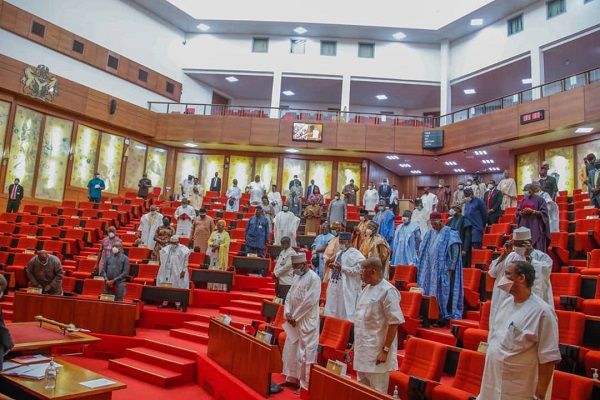
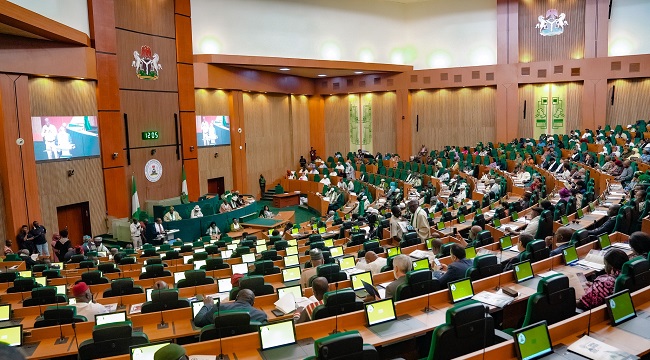
The House of Representatives has constituted an ad-hoc committee to investigate debts owed to the Federal Government by Ministries, Departments and Agencies (MDAs), private organisations and other state actors.
The committee, led by Hon. Oluwole Oke, was appointed following the adoption of a motion sponsored by Hon. Salisu Yusuf and five other lawmakers during plenary.
The House mandated the panel to undertake a comprehensive review of outstanding liabilities owed to the Federal Government, identify all debtors, assess recovery efforts by relevant agencies and recommend practical measures for the recovery of funds.
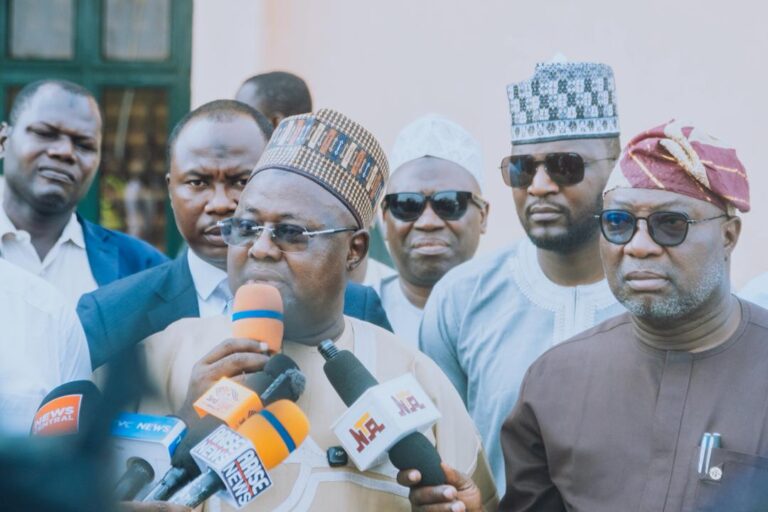
Earlier, Yusuf raised concern over Nigeria’s growing debt burden and weakening revenue base, warning that the failure to recover monies owed to the government was worsening the country’s fiscal pressures.
He disclosed that Nigeria’s total public debt stood at N153.29 trillion as of September 30, 2025, attributing the rise to increased domestic borrowing and continued pressure from currency depreciation.
According to him, domestic debt accounts for more than 53 per cent of the total debt stock, while external debt makes up about 47 per cent, with debt servicing consuming nearly 47.85 per cent of government revenue within the first nine months of 2025.
Yusuf noted that, like many countries, Nigeria had adopted borrowing and other fiscal measures in the aftermath of the COVID-19 pandemic to stabilise the economy.
“Most countries around the world, including Nigeria, had recourse to borrowing and other monetary policy tools to address economic challenges,” he said.
He added that while some of these measures had contributed to relative macroeconomic stability, including improvements in currency performance, greater attention was still needed on revenue recovery.
The lawmaker expressed concern that successive governments had focused more on borrowing and debt servicing, while leaving substantial sums owed to the Federal Government uncollected.
“The Federal Government of Nigeria is owed huge sums of money within and outside the country, including judgment debts,” Yusuf said.
“These funds are held by state and non-state actors, as well as Ministries, Departments and Agencies of government.”
He further recalled the establishment of the Presidential Initiative on Continuous Audit in 2015, designed to strengthen financial oversight and improve accountability in public expenditure.
According to him, the initiative was aimed at enhancing efficiency in revenue management and ensuring proper monitoring of government finances.
Yusuf warned that the continued failure to recover outstanding debts was placing additional strain on public finances and contributing to Nigeria’s fiscal challenges at a time of rising expenditure demands and infrastructure gaps.
Following the adoption of the motion, the House directed the Oke-led committee to submit its findings within four weeks for further legislative action.
The development comes amid growing concerns over Nigeria’s debt sustainability, with rising calls for the Federal Government to prioritise revenue recovery as a means of reducing fiscal pressure without increasing the tax burden on citizens already facing inflation and high living costs.