



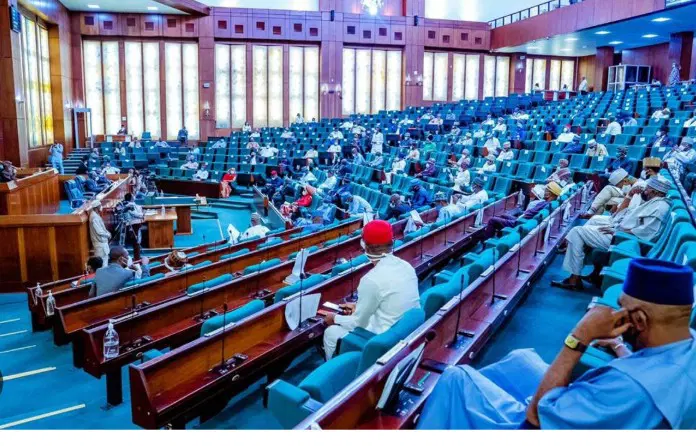
The House of Representatives has expressed concern over the escalating cost of drugs in Nigeria, calling for urgent measures to revive local pharmaceutical manufacturing and ease the burden on citizens.
The resolution followed the adoption of a motion sponsored by Hon. Mascot Ikwechegh, who highlighted the alarming increase in the prices of essential drugs over the past two years.
The House noted that the cost of life-saving medicines has risen astronomically, placing them beyond the reach of millions of Nigerians, particularly those in rural and underserved communities.
According to industry data cited in the motion, prices of some commonly used medications have surged by between 300 and 500 per cent, driven by inflation, naira devaluation, heavy reliance on imports, and persistent supply chain disruptions.
Lawmakers acknowledged that the Federal Government had, in June 2024, issued an Executive Order aimed at reducing production costs by eliminating tariffs, Value Added Tax (VAT), and import duties on pharmaceutical raw materials, equipment, and machinery.
The policy was also designed to stimulate local manufacturing.
However, the House observed that drug prices have remained high despite the intervention, attributing the situation to poor implementation of the policy, exchange rate instability, regulatory bottlenecks, inadequate infrastructure, and limited access to financing for indigenous pharmaceutical companies.
The lawmakers further expressed concern that the Federal Competition and Consumer Protection Commission (FCCPC), which in February 2025 commenced an investigative hearing into the high cost of medicines in collaboration with the National Health Insurance Authority (NHIA) and other stakeholders, has yet to make its findings public.
They warned that delays in addressing the structural challenges in the pharmaceutical sector pose significant risks to national health security, especially in the event of public health emergencies or pandemics.
The House also lamented Nigeria’s continued dependence on imports, noting that over 70 per cent of medicines and active pharmaceutical ingredients (APIs) are sourced from abroad, leaving the country vulnerable to global price shocks, supply delays, and disruptions.
Emphasising the strategic importance of a strong domestic pharmaceutical industry, the lawmakers said boosting local production would enhance national self-reliance, create jobs, support industrial growth, and improve access to affordable healthcare.
Consequently, the House urged the Federal Ministries of Health and Social Welfare, Industry, Trade and Investment, and the Central Bank of Nigeria (CBN) to ensure the full implementation and monitoring of the Executive Order on pharmaceutical production inputs.
It also called on the Federal Government to establish a dedicated Pharmaceutical Industrialisation Fund under the Bank of Industry to provide single-digit interest loans to local manufacturers, particularly small and medium-scale enterprises.
In addition, the House tasked relevant regulatory bodies, including the Pharmacists Council of Nigeria, the National Agency for Food and Drug Administration and Control (NAFDAC), and the Standards Organisation of Nigeria (SON), to expedite the registration and quality assurance processes for locally produced essential medicines without compromising safety standards.
The lawmakers further urged the Federal Ministry of Information and the National Orientation Agency to embark on a nationwide awareness campaign to promote the patronage of locally produced drugs.
To ensure compliance, the House mandated its Committees on Health Institutions, Industry, Commerce, National Planning and Economic Development, and Legislative Compliance to monitor implementation and report back within four weeks for further legislative action.