

The Lagos State Government has disclosed that the Lagos Rice Mill, Imota, produced more than 500,000 bags of Eko Rice within the past year as the state intensifies efforts to strengthen food security and local rice production.
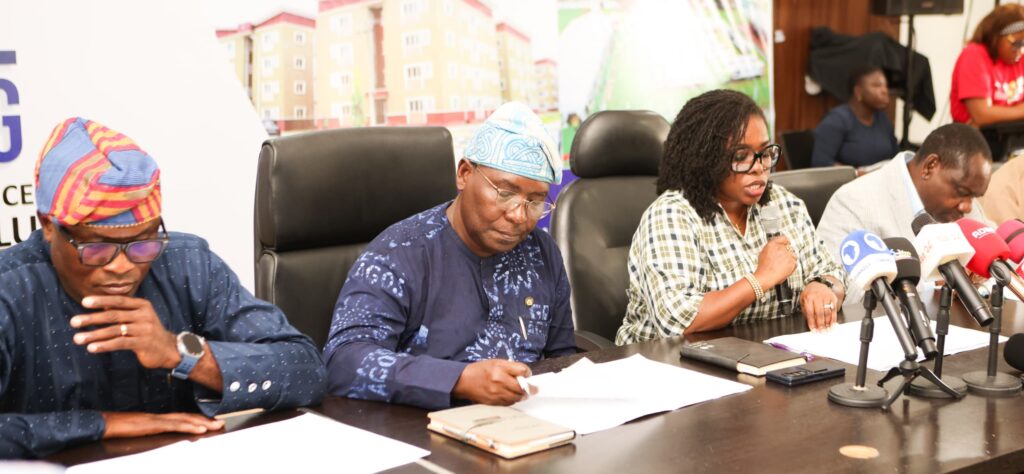
Commissioner for Agriculture and Food Systems, Ms Abisola Olusanya, revealed this during the 2026 Ministerial Press Briefing held at the Bagauda Kaltho Press Centre in Alausa, Ikeja.
Olusanya described the Imota Rice Mill as the largest in Africa and the third largest globally, noting that the facility remains a major pillar of the state government’s food systems transformation agenda.
According to her, the 22-hectare mill, commissioned in 2023, has the capacity to produce 2.4 million 50kg bags of rice annually while generating 1,500 direct jobs and about 254,000 indirect jobs across the rice value chain.
She said the state government had continued to optimise operations at the mill while strengthening partnerships with smallholder rice farmers across Nigeria to improve paddy supply and maximise production capacity.
To support rice production, Olusanya disclosed that the ministry cultivated 100 hectares of rice fields at Eggua, another 100 hectares at Agonrin and over 100 hectares at Ganyingbo.
She added that the government also provided agricultural inputs to local rice farmers to boost paddy production and improve yields.
The commissioner further revealed that the state launched Eko Fortified Rice in late 2025 as part of efforts to combat malnutrition and micronutrient deficiencies, especially among children.
According to her, the fortified rice is enriched with essential vitamins and minerals aimed at improving public health without altering consumers’ dietary habits.
“Under the year in review, the Lagos Rice Mill Imota produced over 500,000 50kg bags of Eko Rice and continues to contribute to the Renewed Hope Agenda of Mr President,” Olusanya said.
She noted that the state government remains committed to expanding agricultural infrastructure and strengthening local food production as part of broader efforts to reduce dependence on food imports and stabilise food supply.
Olusanya said Lagos would continue investing in strategic projects across rice production, aquaculture, food logistics and market systems to build a resilient and sustainable food economy.