

Nigeria has intensified its strategic drive to align with global sustainability reporting standards, a move experts describe as the master key to unlocking the massive capital required to bridge the nation’s Sustainable Development Goals financing gap. By adopting the International Sustainability Standards Board framework, the country aims to secure the estimated $31.5bn needed annually to meet its global commitments and foster long-term economic resilience.
At a three-day capacity-building workshop in Lagos hosted by the Impact Investors Foundation and the Corporate Reporting Academy, stakeholders emphasised that credible, standardised reporting is no longer optional for attracting international investment.
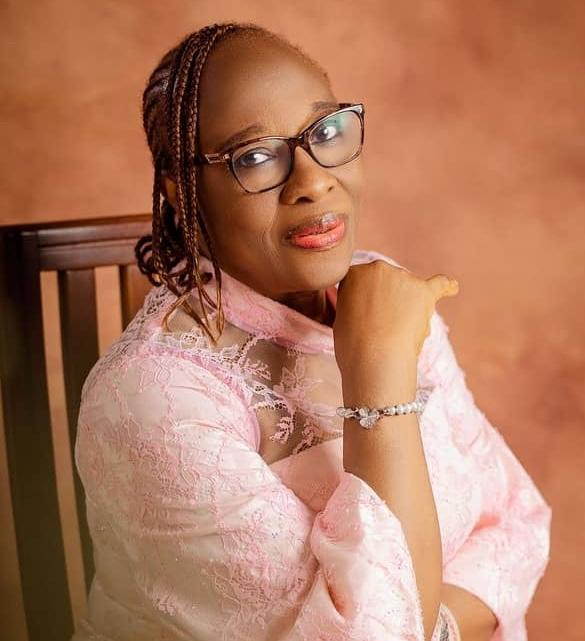
The Chief Executive Officer of IIF, Etemore Glover, highlighted that transparent environmental, social, and governance disclosures are now the primary currency of trust in the global financial ecosystem.
“These standards are rapidly becoming indispensable for global markets. As sustainability-related financial disclosures gain prominence, investors and regulators increasingly rely on them to assess corporate resilience, market risk, and attract international capital,” she noted.
Glover further stressed that standardisation is the only viable path to addressing the staggering capital deficit facing developing nations.
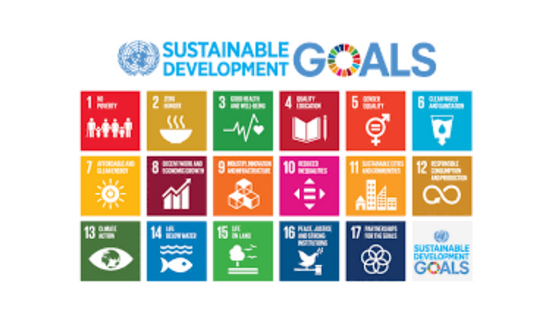
“By standardising how we communicate environmental and social impacts, we take meaningful steps towards closing the $1tn annual financing gap required for developing countries to achieve the Sustainable Development Goals. In Nigeria, it’s valued at about $31.5bn, and that is whopping,” the Chief Executive added.
The conversation in Nigeria has officially evolved from mere awareness to aggressive implementation. The CEO of the Corporate Reporting Academy, Iheanyi Anyahara, noted that the country is moving towards empowering stakeholders with the practical skills necessary for effective reporting.
This shift positions Nigeria not just as a participant but as a regional leader setting the pace for Africa. “Nigeria is not merely participating in global sustainability conversations; we are actively helping to shape it,” Anyahara said, pointing to extensive consultations that have already laid the groundwork for mandatory adoption.
Echoing this sentiment, a member of the Board of Trustees at IIF, Adewale Ajayi, described Nigeria as being at a “critical junction” on its journey. He remarked that the days of debating the relevance of sustainability are over. “The talk is no longer about relevance. We’re talking about how we measure, how we discuss, and how we report,” Ajayi stated, adding that the adoption of IFRS S1 and S2 standards will significantly strengthen corporate transparency by requiring companies to disclose climate-related risks and opportunities alongside traditional financial data.
Recognising the technical complexity of these new requirements, the Federal Government, through the Securities and Exchange Commission, has pledged a supportive rather than punitive transition.
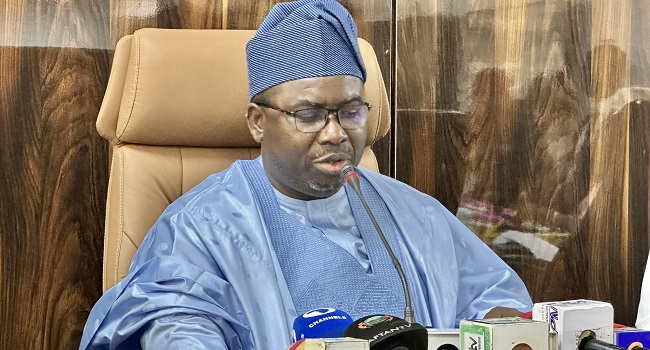
The Director-General of the SEC, Emomotimi Agama, assured the private sector that the commission intends to implement a roadmap that respects the realities of the domestic market. “We are not in the business of mandating standards that our market cannot wisely implement. Proportionality, phasing, and capacity support are essential features of any credible implementation roadmap,” Agama noted through a representative.
Despite the complexities of emissions accounting and value chain assessments, the SEC boss pushed back against the notion that Nigeria lacks the technical capacity to thrive under the new framework. He cited the country’s successful transition to International Financial Reporting Standards in the past as evidence of regulatory resilience. “The Nigerian corporate sector has demonstrated repeatedly its capacity to absorb and implement complex regulatory reporting frameworks. What is required is not a lowering of standards but a structured, well-supported, adequately resourced implementation programme,” he concluded.