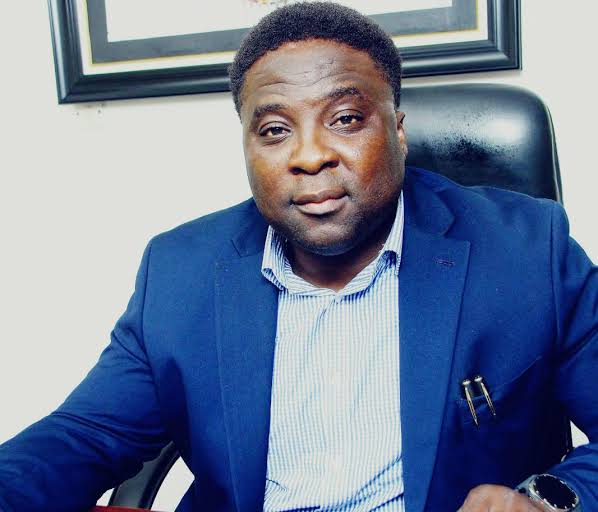
The Secretary of the Tinubu Support Group (TSG) in Ondo State, Ajibola Adetula Oludasa, has defended the economic reforms of President Bola Ahmed Tinubu, describing them as bold structural interventions designed to reposition Nigeria’s economy for sustainable growth, despite short-term hardships.
Speaking on a TV programme, Oludasa, a leading House of Representatives aspirant for Ow/ Ose federal constituency, said the current administration has focused on correcting long-standing macroeconomic distortions, noting that the benefits would gradually be reflected in the daily lives of Nigerians.
Oludasa said many of the economic challenges being experienced are part of a transition phase that typically follows major structural reforms.
According to him, “What this administration has done is to stop painting a sinking building. The building was already sinking, and what we are doing now is reinforcing it. When you are underpinning a structure, there will be dust, there will be discomfort, but the goal is long-term stability.”
Oludasa explained that the distinction between macroeconomic stability and microeconomic realities is often misunderstood, stressing that reforms at the top level must first take root before impacting households and markets.
He said, “You cannot have a robust microeconomy without fixing the macro. What people are experiencing in the markets is the micro side, but the foundation- the macro- has to be stabilised first. There is what we call lag time; the effects don’t happen immediately.”
The aspirant noted that before the reforms, Nigeria operated a fragmented foreign exchange system with multiple rates, which discouraged investment and distorted economic planning.
According to him, “We had a central bank rate, a black market rate, and even a parallel market rate. That is not sustainable for any serious economy. It took bold leadership to say this must change.”
Oludasa said the reforms have begun to yield positive signals in key economic indicators, including projections for growth and increased investor confidence.
He noted that “Nigeria is set to grow above the global average, and if you look at market indicators, they reflect confidence. These are not accidents; they are responses to deliberate policy actions.”
He further highlighted infrastructure development as a critical component of the administration’s economic strategy, noting that improved logistics would reduce the cost of goods over time.
He added, “If you want your ₦5,000 to go further, you need to reduce the cost of moving goods. Roads, transport corridors, and connectivity are essential. That is what the government is investing in.”
On the impact of global crises, particularly tensions in the Middle East, Oludasa said Nigeria has demonstrated relative resilience due to strategic policy initiatives such as the naira-for-crude arrangement.
He said, “Despite global shocks in oil prices, we did not see severe fuel scarcity. That is because of the naira-for-crude initiative. It reduced our exposure to external volatility and showed strategic foresight.”
He acknowledged that Nigerians are still facing economic pressures but insisted that the reforms are necessary to secure long-term prosperity.
This is not cosmetic. It is not about quick fixes. It is about rebalancing the economy for the future. The benefits will come, but they require patience.”
Oludasa also linked governance outcomes to political organisation, arguing that effective leadership must be backed by strong institutional structures.
He maintained that the ruling All Progressives Congress (APC) has demonstrated such capacity, particularly in its grassroots mobilisation and internal coordination.
He said: “Organisation is key. Governance is not just about ideas; it is about the structures that can implement those ideas. Without that, even the best intentions will fail.”
Oludasa also addressed concerns about ideological clarity in Nigeria’s political space, arguing that development and ideology are not mutually exclusive.
According to him, “Some people say ideology should come later because of infrastructure deficits, but I believe we can do both—deliver development and still operate with a clear philosophy of governance.”
On the role of subnational actors, he emphasised that governors are aligning with the administration’s agenda, even if their contributions are not always widely publicised. He cited Governor Lucky Aiyedatiwa as an example of a state leader actively supporting the president’s vision
Oludasa said, “Our governor is leading from the front, mobilising support and aligning development plans with the Renewed Hope agenda. Many others are doing the same, but perhaps we need to communicate it better.”