
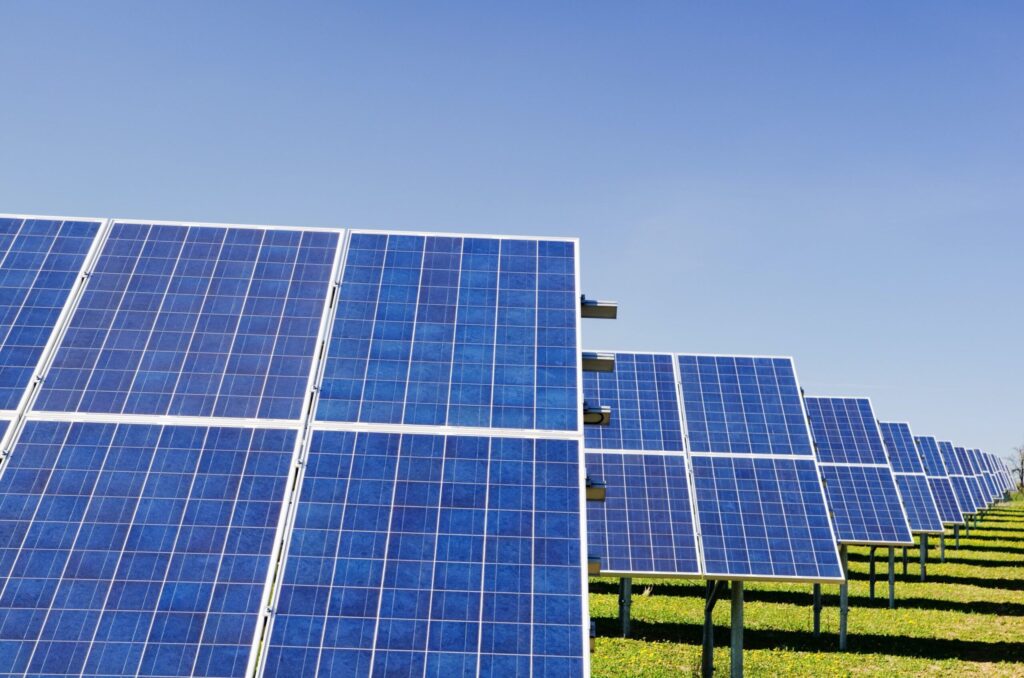
Stakeholders in Nigeria’s renewable energy sector have warned that a proposed ban on solar panel imports could deepen the country’s energy crisis, increase electricity costs, and slow progress toward universal power access if implemented prematurely.
The warning came at the launch of a national renewable energy advocacy campaign organised by the Global Initiative for Food Security and Ecosystem Preservation (GIFSEP) in partnership with the Secure Energy Project (SEP) in Abuja.
Executive Director of GIFSEP, Michael Terungwa David, said while local manufacturing of solar technologies remains a desirable national objective, Nigeria currently lacks the industrial capacity to sustain an import restriction without severe consequences for energy access.
According to him, solar energy has become a critical coping mechanism for millions of Nigerians facing unreliable grid electricity “Solar power is no longer a luxury; it is a lifeline. Nearly every community in Nigeria now depends on at least one solar installation for basic lighting and essential services,” David said.
He warned that an immediate ban would drive up prices and push clean energy solutions beyond the reach of ordinary citizens. “When the proposed ban on solar panel imports was announced, stakeholders became concerned because such a move would increase costs and push millions of Nigerians further into darkness,” he added.
David stressed that although Nigeria possesses raw materials that could support local battery and solar manufacturing, the country has yet to develop sufficient production infrastructure to meet growing demand.
“It is ideal to produce locally, but we must be realistic. Nigeria is not ready for a blanket ban. Policy decisions must align with existing capacity,” he said.
He noted that Nigeria’s Nationally Determined Contributions (NDCs) commit the country to achieving 100 percent electricity access by 2035, warning that restricting solar imports could undermine one of the fastest pathways to reaching that target. “We must adopt a strategic transition that expands clean energy access rather than restricts it,” he said.