


Maritime stakeholders have highlighted the strategic role of media in the growth of the nation’s maritime sector.
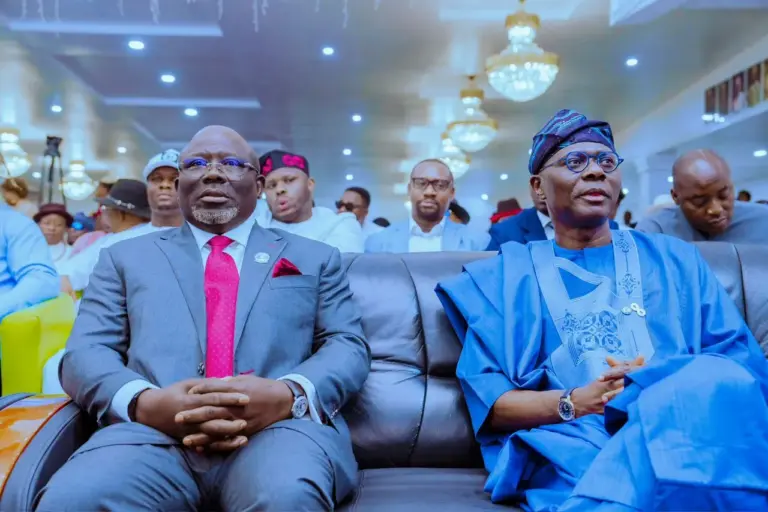
The stakeholders made this assertion in Lagos last week during a reception organised by the Maritime Reporters Association of Nigeria in honour of its past presidents.
Speaking at the event, a former Minister of Interior, Capt. Emmanuel Iheanacho, reiterated the strategic role of the media in driving sustainable growth in Nigeria’s maritime sector, warning that inaccurate reporting could undermine reforms and investor confidence.
Iheanacho, who was represented at the event by Dr Emeka Akabogu, a Senior Advocate of Nigeria, identified agenda-setting, accountability, public education, and stakeholder mobilisation as key ways the media can influence maritime development.
He said sustained media focus on challenges such as port congestion, infrastructure gaps, and policy inconsistencies can push critical issues into policy consciousness and sustain reform momentum.
On accountability, Iheanacho acknowledged maritime journalists’ watchdog role in exposing inefficiencies and corruption risks but cautioned against reporting based on incomplete facts.
“A misleading report may damage confidence, unsettle investors, and distort policy debates. Accountability journalism must be rigorous, fair, and evidence-based,” he said.
Iheanacho also stressed the need for data-driven reporting and greater public education on the maritime sector, describing journalism as central to building a strong blue economy.
Addressing MARAN members, he described maritime journalism as a strategic national assignment and urged practitioners to deepen technical knowledge and maintain credibility.
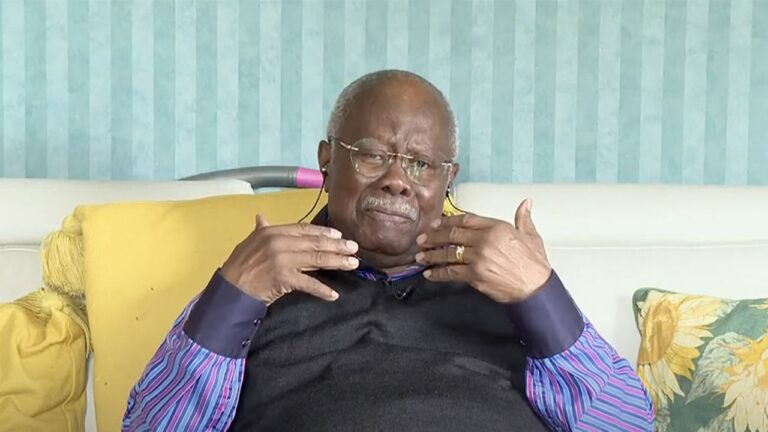
Offering historical perspective, MARAN’s pioneer president, Alban Opara, noted that the association was established in 1988 amid intense port congestion and ongoing economic reforms.
He said early maritime reporters worked under difficult conditions but remained committed to investigative journalism.
Opara added that sustained media exposure of port inefficiencies contributed to policy outcomes such as the National Shipping Policy and the Cabotage regime.
In his goodwill message, former Comptroller of Customs and District Head of Ketare, Usman Kankara, commended MARAN’s professionalism and longstanding contributions to public engagement in the maritime sector.
Also speaking, Secretary-General of the Abuja MoU, Capt. Sunday Umoren, represented by Engr Richard Owolabi, described MARAN as a vital partner in promoting transparency and sustainable shipping in West and Central Africa.
In his welcome address, Chairman of the MARAN Caretaker Committee, Tunde Ayodele, described the reception as a deliberate effort to reconnect with the association’s roots and honour its founding leaders.
Ayodele noted that past presidents had distinguished themselves in journalism, public service, and national development.
He urged past leaders to remain actively involved in the association, stressing that their guidance remains essential to MARAN’s growth and continued relevance in the maritime sector.