



The United Nations Children’s Fund (UNICEF) has presented the 2025 Nutrition SMART Survey, which signals a high prevalence of malnutrition in Sokoto and Kebbi States and a medium prevalence in Zamfara State.
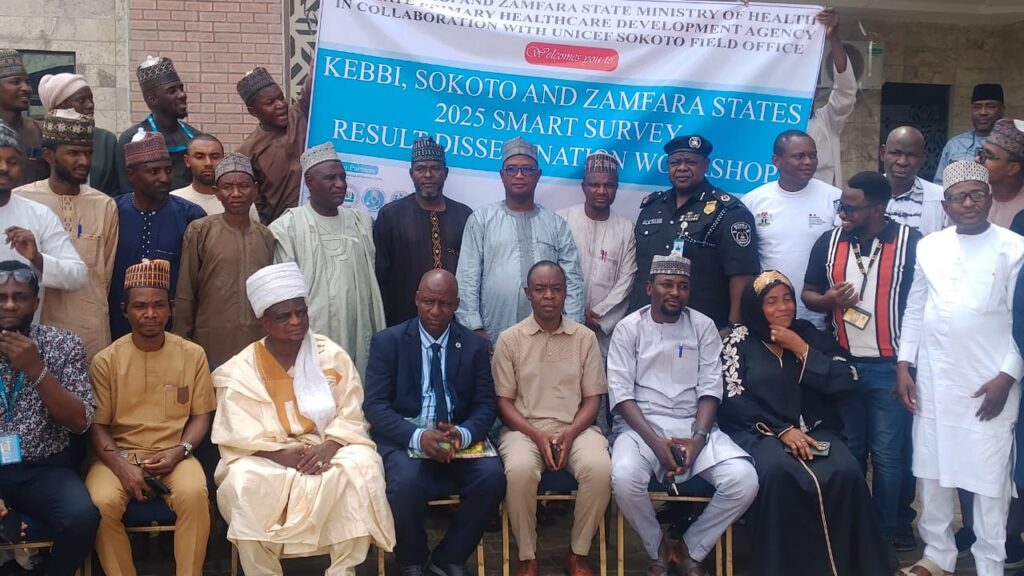
UNICEF Nutrition Data Officer, Abuja, Edward Kotundo, presented the Sokoto, Kebbi and Zamfara States 2025 Nutrition SMART Survey results at a dissemination workshop held at Karma Hotel, Sokoto, on Tuesday.
Nutritionist Kotundo further stated that malnutrition indicators show that 11% of children under five years are wasted in Sokoto, while 8.5% are wasted in Zamfara and 11.5% in Kebbi State.
According to him, the SMART Survey revealed a very high prevalence of stunting across the three states of Sokoto, Zamfara and Kebbi.
This is in addition to the IPC-AMN analysis conducted in October 2025, which estimated that over half a million children would be severely wasted across the three states.
Kotundo, who spoke on behalf of the UNICEF Sokoto Chief of Field Office, Michael Juma, expressed appreciation for the teamwork that ensured the success of the survey.
Muhammad Abubakar Kaura, Director of Medical Services, Sokoto State Primary Healthcare Services, said Sokoto, Kebbi and Zamfara are one family as they share a common identity in culture, attitude and belief.
He added that UNICEF has done everything possible to improve the healthcare delivery system in the region.
In their separate goodwill messages, UNICEF nutrition stakeholders from the three states expressed appreciation for UNICEF’s support and hoped that the survey report would guide subsequent healthcare projects for healthy communities in the zone.
They also expressed confidence in UNICEF’s activities and hope that the collaboration and partnerships will continue.
Participants at the one-day workshop included government actors, State Nutrition Officers, State Bureau of Statistics officials, and officials from the Ministry of Information.
Others were officials from the Ministry of Budget and Economic Planning, security personnel, and development partners.
Highlights of the event were paper presentations on data use and how to move forward with nutrition response and programmes.