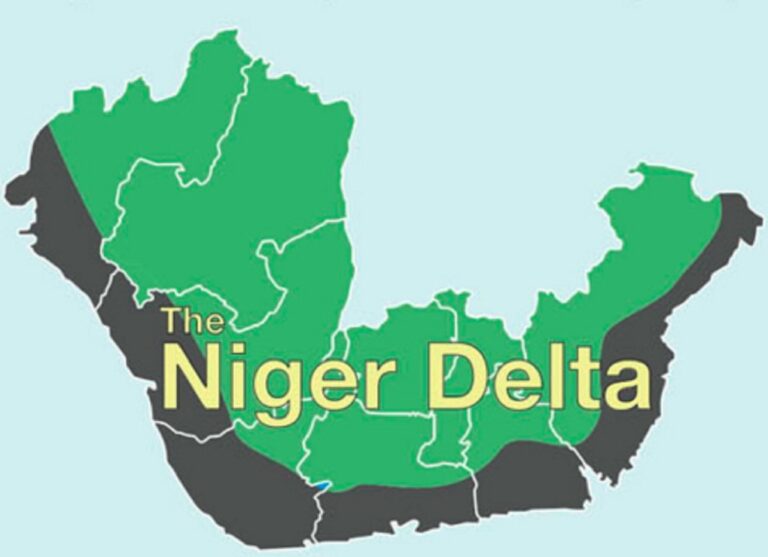


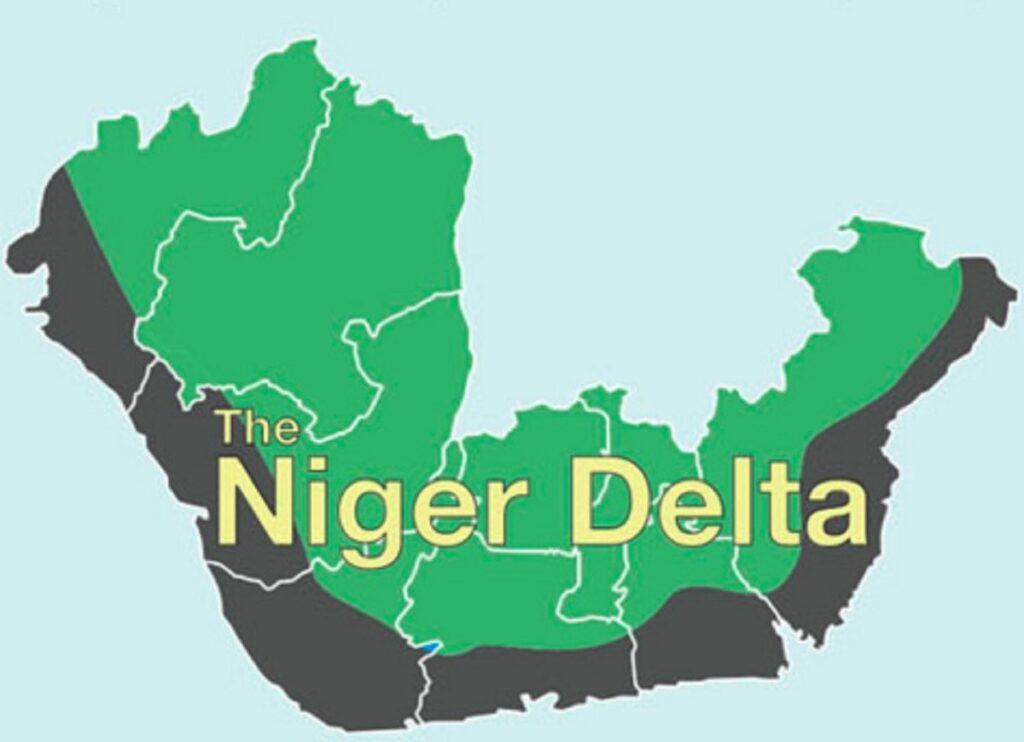
Tension is rising in the Niger Delta following plans by Eni to divest its five per cent stake in the Renaissance Joint Venture (JV), with youths and key stakeholders warning of resistance over the proposed sale.
The stake, estimated at between $400 million and $500 million, has attracted interest from several local and international investors. However, indications that the deal may favour the Sandesara brothers, owners of Sterling Oil Exploration and Energy Production Company (SEEPCO), have sparked outrage among host communities.
The divestment process, managed by Lazard, is said to be highly stringent, requiring bidders to provide 100 per cent of the bid value upfront—effectively tilting the process in favour of cash-rich investors.
Reacting to the development, the Niger Delta Transparency Forum accused Eni of attempting to transfer a national asset to a company with a controversial track record.
In a statement signed by its Secretary-General, Ebikade Moses, the group alleged that SEEPCO had faced repeated complaints from indigenous contractors over its business practices. The statement said: “We are calling on the Federal Government to look into this matter of urgent national importance.
“The entire Niger Delta youths are unhappy and will resist this move. Stakeholders are not comfortable with handing over such assets to companies that have shown disregard for local content and community engagement.”
Concerns have also been raised over the operations of First Hydrocarbon Nigeria (FHN), a subsidiary linked to SEEPCO, which reportedly has outstanding royalty obligations and has struggled to meet regulatory compliance requirements with the Nigerian Upstream Petroleum Regulatory Commission (NUPRC).
Stakeholders further alleged that the company had reduced local workforce participation, replacing many Nigerian employees with expatriates, a development seen as contrary to the Federal Government’s local content policy. Industry observers say the backlash reflects deeper anxieties in the region, where communities have long complained of marginalisation despite decades of oil production.
The ongoing divestment by international oil companies has heightened fears that asset transfers may not necessarily translate into improved accountability or community benefits.