

A coalition of justice sector actors, human rights advocates, police officials and civil society organisations has called for stronger institutional protection, improved reporting pathways and survivor-centred justice systems to address rising violence against marginalised groups in South-West Nigeria.
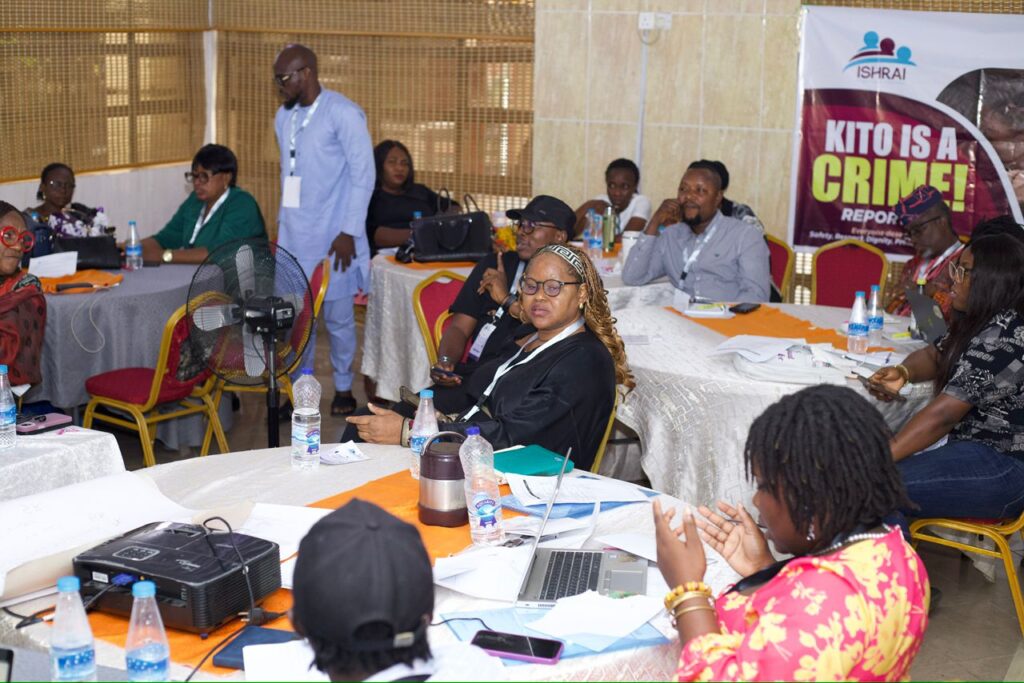
The call formed the centrepiece of a two-day High-Level Consultative Forum on Violence against Minority Groups and Access to Justice organised by the Improved Sexual Health and Rights Advocacy Initiative (ISHRAI) in collaboration with Amplify Change.
The forum was held at Dees Hotel, Isolo, Lagos, from May 13th to 14th, which brought together representatives of the Nigerian Police Force, Ministries of Justice, National Human Rights Commission, Nigerian Bar Association, media practitioners and civil society organisations from Lagos, Ogun, Oyo, Ondo, Ekiti and Osun states.
At the heart of the engagement was a demand for improved access to justice for marginalised persons, particularly individuals facing violence, extortion, blackmail, organised entrapment known as “kito,” assault and discrimination because of their perceived sexual or gender identities.
Speaking during the forum, ISHRAI Programmes Manager, Sophia Lawal, said the meeting was convened to secure concrete institutional commitments that would ensure violence against vulnerable persons is treated as a priority.
“We hope that at the end of the meeting, stakeholders will produce a communiqué giving commitment to ensure that this violence meted against these persons is prioritised and addressed,” she said.
Lawal disclosed that ISHRAI’s baseline survey revealed alarming figures. According to her, about 90 per cent of respondents in Lagos reported experiencing violations this year, while only 40 per cent of cases were reported. In Osun State, she said, a similarly high prevalence was recorded, but only 25 per cent of incidents were reported.
Further findings presented during the forum showed that 71.3 per cent of respondents across the six South-West states surveyed experienced kito-related incidents within the last 12 months, while only 28.7 per cent reported such cases through formal or informal channels. About 89.2 per cent cited inadequate protection and low confidence in institutional response systems, while 93 per cent blamed silence, stigma and fear for persistent underreporting.
Project Coordinator of ISHRAI Lagos, Martin Chukwudera Anumene, said the statistics underscored the urgent need for stronger collaboration among institutions responsible for protecting human rights.
“Across board, across all the South-West, there is very low trust in law enforcement, and that’s why today we are bringing together stakeholders who are necessary to protect the human rights of all Nigerians,” he said.
Anumene noted that while awareness of support services was relatively high in Lagos, many survivors still lacked confidence in institutional response systems.
According to him, survivors in some states have little or no awareness of organisations that can support them after experiencing violence or extortion.
Participants at the forum included representatives from the Gender Unit of the Nigerian Police Force, Ministries of Justice from Lagos, Oyo and Osun states, National Human Rights Commission offices from Ogun, Oyo and Osun states, as well as advocacy groups such as The Initiative for Equal Rights, Intersex Nigeria and Minority Watch.
Chairperson of ISHRAI’s Board, Barrister Josephine Ijkhuemen, stressed that Nigerian laws already contain provisions capable of protecting vulnerable groups from abuse and violence.
“The Violence Against Persons Act, the Anti-Torture Act and provisions of the African Charter are all there to protect marginalised groups,” she said.
However, she identified poor awareness, fear of stigma and mistrust of authorities as major barriers preventing victims from seeking justice.
“In certain cases, marginalised vulnerable groups may self-stigmatise because they are afraid of being further prosecuted when trying to run to the law for protection,” Ijkhuemen added.
She described one of the key outcomes of the meeting as increased awareness among security agencies. According to her, a police participant admitted during the discussions that she was only beginning to understand the extent of the violence occurring within communities.
The communiqué adopted at the end of the forum called for stronger inter-agency cooperation, improved documentation and referral systems, survivor-centred reporting structures, public sensitisation campaigns and sustained collaboration between state and non-state actors.
For participants, the broader public health implications go beyond justice alone. Experts said fear, violence, extortion and discrimination can worsen mental health conditions, increase social isolation, discourage victims from seeking healthcare and deepen vulnerability within communities.
Stakeholders argued that strengthening protection systems and promoting trust in institutions could improve psychological well-being, encourage early reporting of abuse, enhance access to healthcare and legal support, and ultimately build safer, healthier communities.
The forum formed part of ISHRAI’s ongoing 18-month intervention project titled “Securing Our Lives: Combating Kito Violence and Advancing Safety and Justice in South-West Nigeria.”