

Ingentia Energies has unveiled plans to raise its oil production to 30,000 barrels per day by 2030.
This was as the Nigerian Upstream Petroleum Regulatory Commission reaffirmed its commitment to strengthening indigenous participation in Nigeria’s oil and gas industry while insisting on strict regulatory compliance, corporate responsibility, and investment in human capital development.
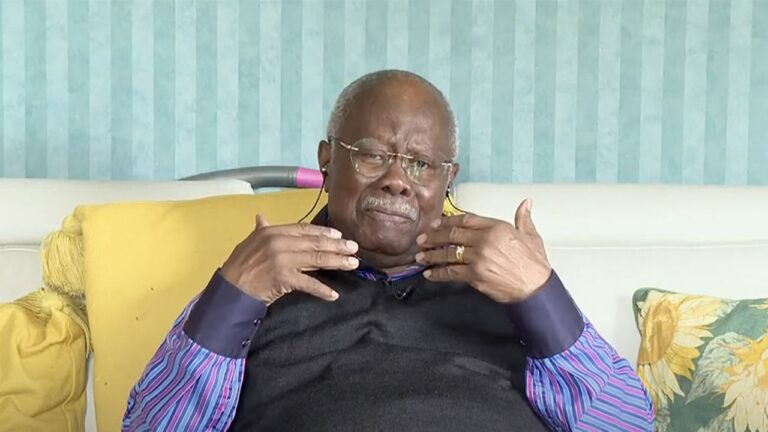
Speaking during an engagement with the NUPRC leadership in Abuja on Wednesday, the Chairman of Ingentia Energy Limited, Valentine Ugbeide, unveiled an ambitious expansion plan to raise production to 30,000 barrels per day by 2030, and strengthen its position as a model for local participation in Nigeria’s oil and gas industry.
Ugbeide said Ingentia’s journey from a challenging indigenous acquisition to a growing production company demonstrates that Nigerian firms can successfully operate strategic upstream assets when backed by the right regulatory support, technical competence, and collaborative governance structure.
Describing the company’s Egbolom field development as a template for indigenous operators, he said Ingentia had overcome formidable structural and financial barriers that were initially designed to frustrate local operators.
“Egbolom has become a role model that mirrors what indigenous companies can achieve despite obstacles. Our success should serve as a blueprint for other local firms,” he said.
From an initial workforce of just two staff members, he said the company has grown to over 100 direct and indirect employees, with plans for more aggressive recruitment as production scales from current levels towards 10,000 barrels per day and beyond.
He disclosed that Ingentia plans to drill a minimum of two wells annually, supported by fresh seismic campaigns targeting deeper reservoir opportunities.
“Our target is clear, by 2030, we want to be in the neighbourhood of 30,000 barrels per day,” he declared.
Ugbeide also stressed the importance of human capital development, mentorship, and empowering younger Nigerians, especially women, to thrive in the traditionally male-dominated oil and gas industry.
He praised NUPRC’s leadership under Eyesan, describing her as an “Amazon” whose regulatory support, accessibility, and responsiveness are helping indigenous operators unlock new opportunities.
He further noted that community engagement remains central to Ingentia’s strategy, with active partnerships being developed to ensure host communities benefit through infrastructure, inclusion, and long-term socio-economic projects.
Speaking, the NUPRC Chief Executive, Oritsemeyiwa Eyesan, said indigenous operators remain critical to the future growth, sustainability, and survival of Nigeria’s upstream petroleum sector.
According to a statement by the energy firm, Eyesan said indigenous companies have a major role to play in expanding production, deepening local participation, and driving long-term industry resilience, noting that even modest production contributions from multiple indigenous operators could significantly boost national output.
“For the indigenous players, this is a major space. Little drops matter, and when you have many operators contributing consistently, the cumulative impact becomes substantial for national production,” Eyesan said.
She commended Ingentia Energy’s leadership for demonstrating seriousness and strategic direction, noting that strong execution capacity, visionary boards, and management commitment are essential for indigenous firms seeking to scale successfully in Nigeria’s competitive oil and gas landscape.
The NUPRC boss, however, warned that growth must be matched with institutional strength, regulatory discipline, and operational structures capable of sustaining long-term industry participation.
She stressed that many indigenous firms often prioritise immediate production and market survival at the expense of building robust internal systems, technical competence, and sustainability structures previously embedded by international oil companies.
“Human capital development is no longer optional. Indigenous companies must deliberately invest in the right capabilities, systems, and structures to remain competitive and sustainable,” she said.
Eyesan called for stronger collaboration among indigenous operators, regulators, and industry stakeholders to enrich the sector’s resource base and build a more resilient local industry.