

Stakeholders at a high-level Focus Group Discussion convened by the African Network for Environment and Economic Justice (ANEEJ) have outlined a coordinated action plan to combat illicit financial flows (IFFs), warning that Nigeria continues to lose between $15 billion and $18 billion annually to the persistent challenge.
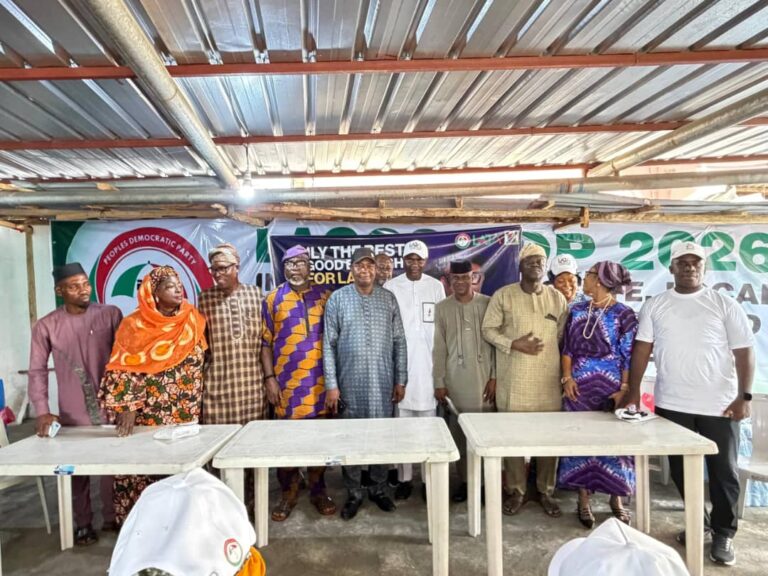
The meeting, held in Ikeja, Lagos, recently, brought together civil society organisations, media professionals, academics, and policy experts to examine Nigeria’s legal and institutional frameworks and propose practical solutions to curb financial leakages undermining national development.
In his welcome remarks, ANEEJ Executive Director, David Ugolor, described illicit financial flows as a critical obstacle to Nigeria’s progress, stressing that resources lost to corruption, tax evasion, trade mis-invoicing, and money laundering should instead be channelled into vital sectors such as healthcare, education, infrastructure, and social protection.
“Despite existing laws, significant gaps remain in enforcement, coordination, transparency, and institutional capacity,” Ugolor said, adding that the engagement was intended to drive actionable solutions rather than mere discussions.
Participants acknowledged that while Nigeria possesses a relatively robust legal framework, including anti-money laundering and asset recovery laws, weak enforcement and poor collaboration among institutions continue to limit effectiveness.
A key outcome of the dialogue was the urgent call to strengthen coordination among the approximately 17 government agencies responsible for regulating financial flows.
Experts noted that fragmented operations and inadequate information sharing create loopholes that allow illicit transactions to flourish. Founder of the Institute for Social Impact Practice and Leadership, Mr. John Onyukwu, emphasised that improved coordination rather than the creation of new institutions is essential for progress.
“If the Central Bank of Nigeria sees something and law enforcement agencies are unaware, those exploiting the system will succeed,” he said, underscoring the need for seamless information exchange.
Onyukwu further highlighted that Nigeria’s situation reflects a broader continental issue, noting that Africa loses an estimated $88 billion annually to illicit financial flows, an amount exceeding the foreign aid received by the continent.
He added that plugging these leakages could reduce Nigeria’s reliance on borrowing and significantly enhance public expenditure.