


Experts, authors, and policymakers have called for increased investment in literacy and education reforms in Nigeria, warning that persistent gaps in foundational learning continue to affect millions of children, particularly in underserved and rural communities.
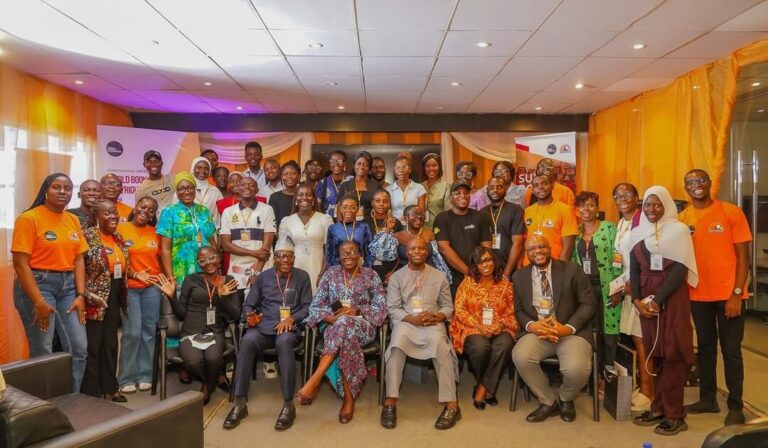
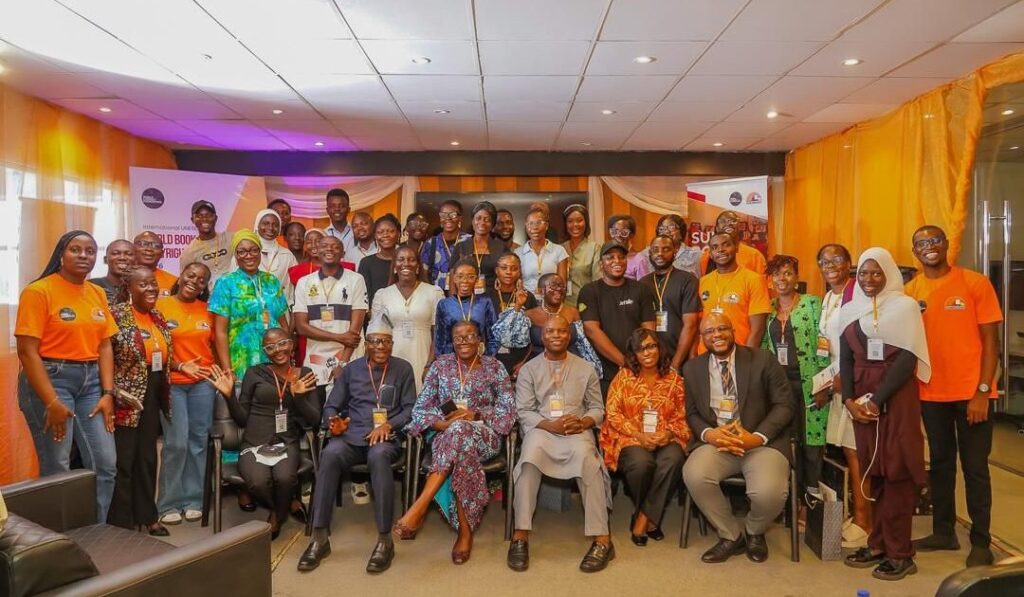
The call was made at a World Book and Copyright Day event held in Lagos, themed ‘Turning Pages, Changing Futures’, which brought together writers, language specialists, researchers, education stakeholders, and industry leaders to reflect on the role of books, reading culture, and copyright in national development.
The event, organised by Sun Books Nigeria, a project of the World Literacy Foundation, also spotlighted the role of digital learning tools in expanding access to education for vulnerable and out-of-school children.
Speaking at the event, the Country Manager of Sun Books Nigeria, Afolabi Adelakun, said the initiative is part of broader efforts to promote reading culture and improve literacy outcomes across sub-Saharan Africa.
“Sun Books is a project of the World Literacy Foundation, and we are in Nigeria. This event is our way of commemorating the UNESCO World Book and Copyright Day,” he said.
He noted that Sun Books currently runs programmes across several African countries, including Uganda, Kenya, and South Africa, but stressed that Nigeria remains a key focus of its intervention strategy.
Adelakun said the organisation is working to expand access to digital learning resources that support foundational literacy, particularly among children who are out of school or at risk of dropping out.
“We cannot solve all the problems of education, but what we are contributing is the digital literacy aspect, which has helped bring many children back to school and also keep them in school,” he said.
He, however, noted that funding constraints and limited government buy-in remain major challenges limiting expansion.
“We are working very hard to secure the necessary funding to expand our projects in Nigeria and beyond. We also want more government support and flexibility to reach underserved communities without unnecessary bureaucratic delays,” he added.
Adelakun called for stronger public-private partnerships to scale literacy programmes across local schools, government institutions, and rural learning centres, stressing that community trust and government involvement remain critical to success.
The Chairperson of the Association of Children’s Authors and Illustrators of Nigeria and founder of the Winford Centre for Children and Women, Basirat Rasaki, emphasised the importance of protecting intellectual property and improving the quality of locally produced educational content.
“Our aim is to build capacity and ensure Nigerian stories are told in context-sensitive ways while also making sure they are economically viable for authors,” she said.
Rasaki warned that intellectual property protection remains weak in many cases, discouraging creativity and limiting opportunities for authors, saying, “When you create a work of art, it is a creative process. You want that work to be protected so that nobody takes credit for it. Copyright is essential for safeguarding creativity.”
She also highlighted the need for deeper engagement in rural communities, noting that many education programmes fail because they do not reflect local realities.
“There are cases where educational technology tools are introduced, but due to poverty and other factors, they are sold instead of used. Programme design must reflect the realities of the people it is meant to serve,” she added.
Rasaki called for stronger collaboration between organisations like Sun Books and authors, as well as increased government commitment to education funding and reform.
“We need a more radical approach to education challenges. More still needs to be done,” she said.
Representing the Lagos State Government, Senior Special Assistant to the Governor on Basic and Secondary Education, Opeyemi Eniola, also underscored the urgency of addressing Nigeria’s literacy gap.
He noted that Nigeria is facing a significant out-of-school crisis, with millions of children still unable to access formal education.
“Over two million children are out of school. In many communities, especially in parts of the north, children reaching the age of 10 without completing a school year is still common,” he said.
Eniola described literacy as the foundation for national development, linking it to economic growth, security, and social stability.
“Literacy is the bridge. Nigerian stories are the foundation, and education policy is the vehicle that carries our children forward,” he said.
He called for stronger investment in foundational literacy, teacher capacity development, school libraries, and culturally relevant learning materials.
According to him, the future of Nigeria depends not only on infrastructure and technology but also on developing critical thinking, creativity, and storytelling abilities among young people.
“The future of Nigeria will be built with minds that think critically, dream boldly, and build stories with pride,” he said.
Stakeholders at the event collectively agreed that addressing Nigeria’s literacy challenges requires sustained investment, stronger policy implementation, and deeper collaboration between government, private sector actors, and the creative community.