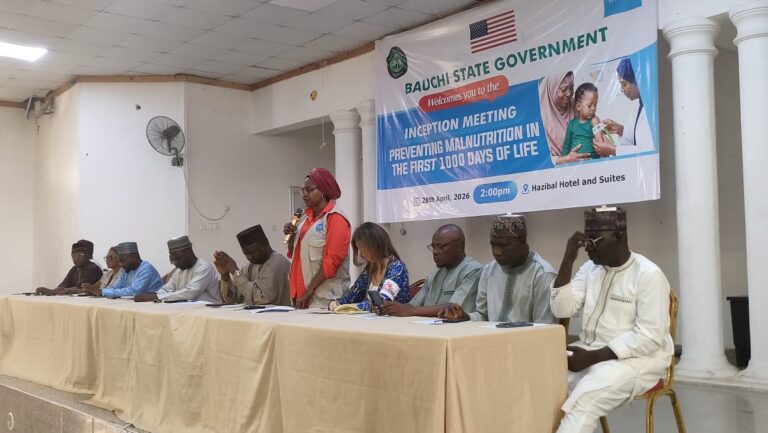



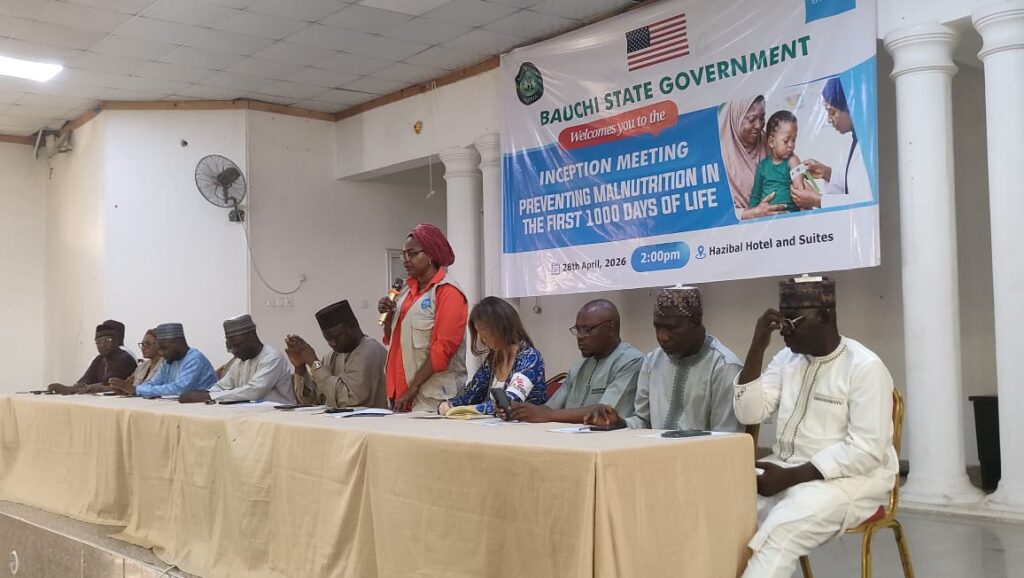
Alarmed by the rising malnutrition rates threatening the survival and development of children, the Bauchi State Government has partnered with the United Nations Children’s Fund (UNICEF) and the United States Government to roll out a life-saving nutrition initiative targeting the first 1,000 days of life.
The intervention, unveiled at a stakeholders’ meeting in Bauchi, focuses on the critical window from pregnancy to a child’s second birthday, widely regarded by experts as the foundation for lifelong health and development.
UNICEF’s Chief of Field Office in Bauchi, Dr Nuzhat Rafique, described the situation as urgent, noting that malnutrition contributes to nearly half of the deaths among children under five in the state.
“Stunting stands at 61.7 per cent, while anaemia affects over 75 per cent of children and nearly 69 per cent of women,” she said, stressing that the figures represent “real lives at risk.”
The initiative, funded by the US Government, aims to scale up high-impact interventions such as micronutrient supplements, Vitamin A distribution, and improved infant feeding practices, while strengthening health systems and local production of nutrition commodities.
State Commissioner for Health, Dr Sani Mohammed Dambam, said the government is already investing heavily in nutrition, including funding for therapeutic foods and supplements for vulnerable mothers and children.
He revealed that over N300 million has been approved to boost supplies, alongside policies such as six months maternity leave and workplace crèches to encourage exclusive breastfeeding.
Also speaking, Chairman of the State Primary Healthcare Development Board, Dr Rilwanu Mohammed, called for accountability in the implementation of the programme, warning officials against diversion of supplies.
Stakeholders, including civil society groups, emphasised that sustained commitment, community engagement, and proper use of data would be key to reversing the trend and securing a healthier future for children in the state.
“The first 1,000 days happen only once,” Rafique said. “We must get it right.”