…Unveils Agriculture-Driven Blueprint
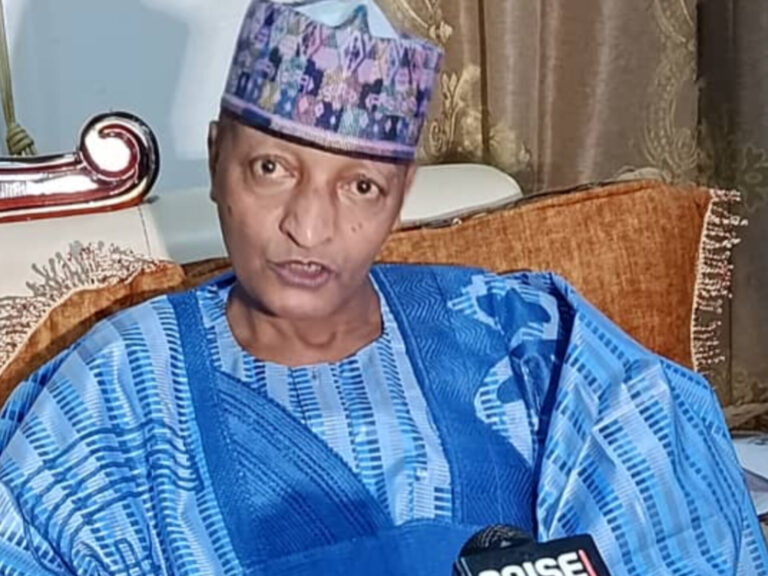
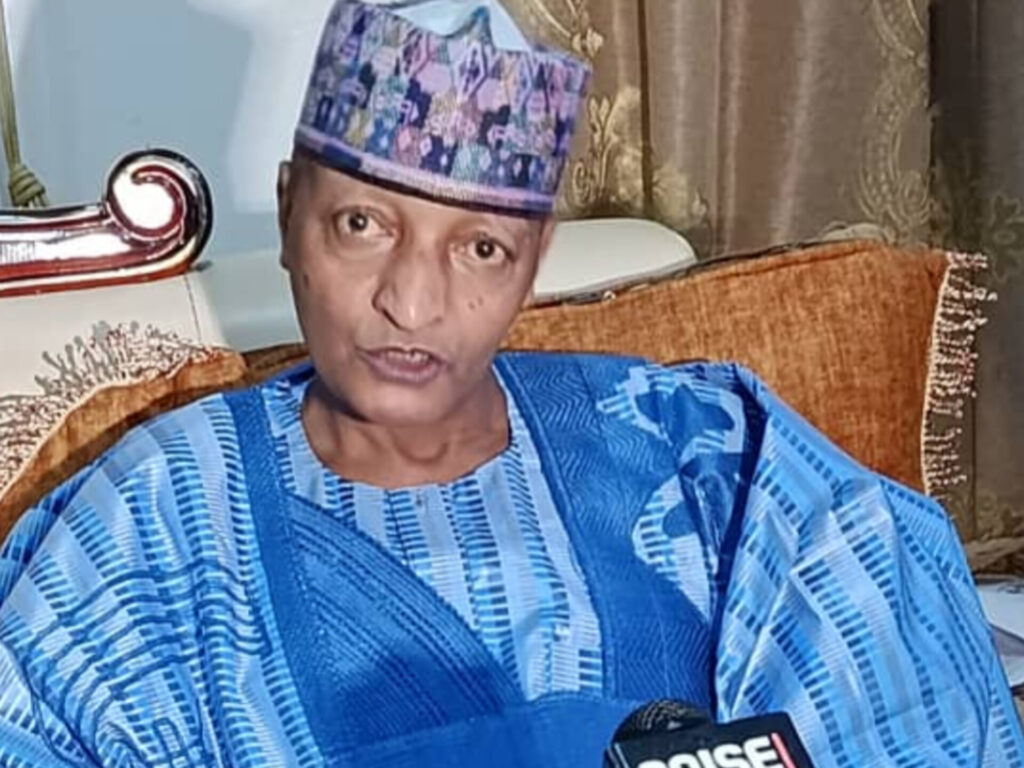
A frontline All Progressives Congress (APC) governorship aspirant in Bauchi State, Alhaji Abdullahi Adamu Usman, popularly known as Danchina, has delivered a hard-hitting critique of Nigeria’s economic direction.
This is as he called on governments at all levels to abandon what he described as a “Dangerous addiction to borrowing” and embrace self-reliance anchored on agriculture and local productivity.
In an interview in Jos, on Saturday, the businessman and mining expert painted a grim picture of the nation’s economy, warning that persistent loans without sustainable repayment strategies could mortgage Nigeria’s future.
“This issue of credits and loans is dangerous. We have not even serviced what we borrowed, yet we continue. Very soon, what remains may be mortgaged as collateral,” he cautioned.
Danchina argued that Nigeria’s overdependence on external funding and federal allocations has weakened innovation and productivity, insisting that the country possesses sufficient natural and human resources to thrive independently.
According to him, “Government alone cannot do everything. We must begin to think differently. Self-reliance is no longer optional; it is the only way forward.”
He decried rising inflation, declining purchasing power, and what he termed “hidden wealth structures,” where economic benefits fail to trickle down to ordinary citizens.
Unveiling his vision for Bauchi State ahead of the 2027 elections, Danchina said agriculture would be the cornerstone of his administration if elected governor.
He pledged to promote rural empowerment through large-scale agricultural engagement rather than reliance on white-collar jobs.
“Nigeria has fertile land, rainfall, and a vibrant youth population. If we train young people early and engage them productively, we can rebuild the economy from the grassroots,” he said.
In a bold stance, the aspirant declared he would not depend heavily on federal allocations.
“I can even tell you keto ep the allocation. If we build productivity at the local level, the state will stand strong on its own,” he added
Whispering of insecurity and recurring ethno-religious violence, Danchina issued a strong appeal to both Muslims and Christians to end bloodshed, stressing that no one has the moral right to kill in the name of God.
“Who are you to fight for God? God created everyone for a purpose. Religion should guide us, not divide us,” he stated.
He linked insecurity partly to economic hardship, noting that rising poverty and unemployment often fuel violence and criminality.
Drawing from his expertise in mining, Danchina highlighted systemic failures in the sector, including poor regulation, multiple taxation, and environmental neglect.
He lamented the prevalence of abandoned mining sites, which have led to fatalities in several communities, and called for stricter enforcement of reclamation laws.
“Mining should not destroy lives. Companies must restore sites after operations. We are losing both resources and human lives due to negligence,” he said.
He further advocated for local processing of minerals to boost value addition and retain wealth within the country.
The aspirant also expressed concern over what he described as a growing moral and social breakdown among the younger generation, linking it to poor upbringing and lack of societal values.
Hemphasised the need to rebuild discipline, respect, and civic responsibility as part of national development, security, and Community Policing.
On security, Danchina called for a community-based approach, arguing that the current number of security personnel is insufficient to police Nigeria’s large population.
“Every community must take responsibility. Local authorities should know who comes in and who goes out. That is how we can reduce insecurity,” he suggested.
Describing Nigeria as being at a critical juncture, Danchina warned that failure to act decisively could worsen economic and security challenges.
However, he expressed optimism that with collective sacrifice, visionary leadership, and a return to productive sectors like agriculture and mining, the country could regain its footing.
“Nigeria is not poor. We have land, water, and people. What we lack is direction and commitment. If we come together, we can fix this country,” he concluded.