

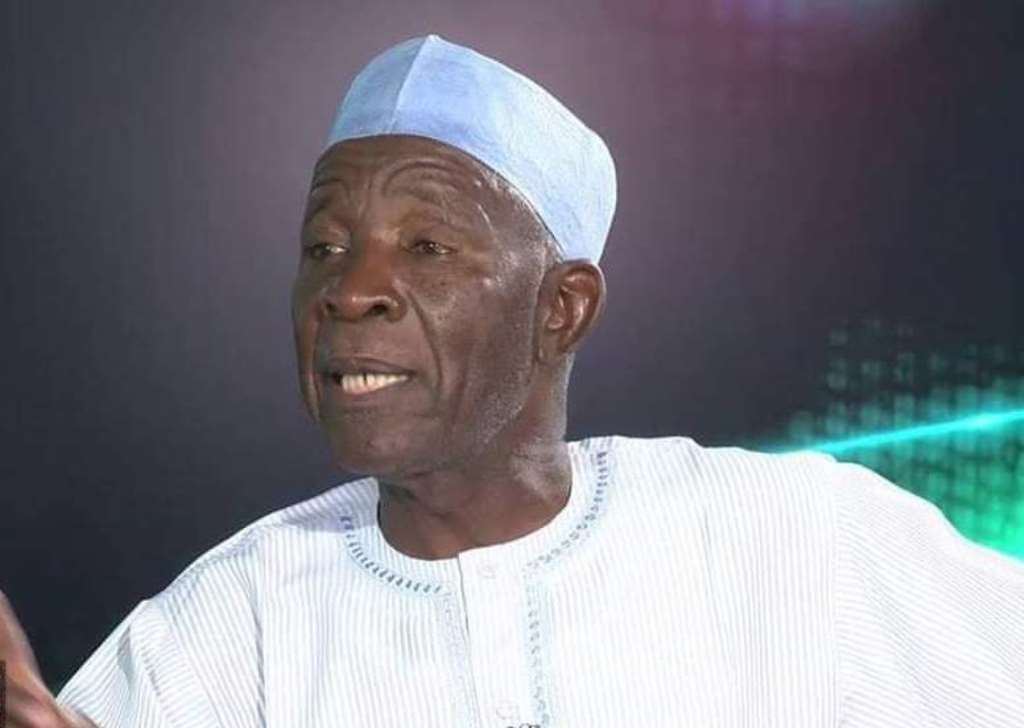
Buba Galadima, a chieftain of the Nigeria Democratic Congress (NDC), has alleged that the Electoral Act 2026 was deliberately designed to weaken opposition political parties ahead of the 2027 general elections.
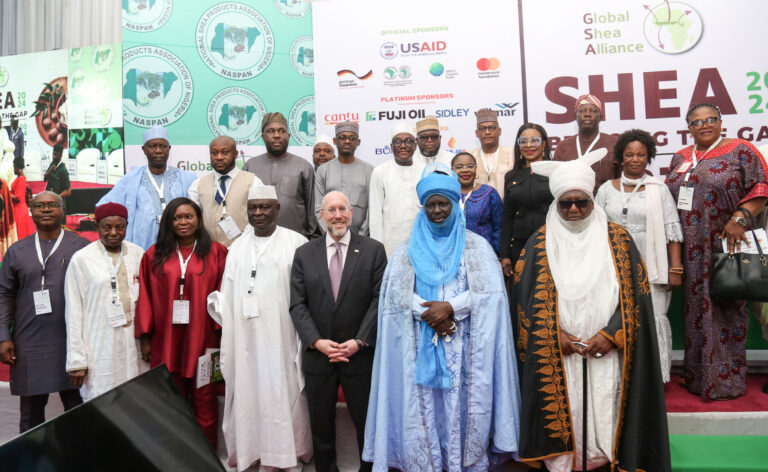
While addressing participants at the NDC aspirants’ summit in Abuja on Saturday, Galadima accused the administration of President Bola Tinubu of undermining democratic principles in the country.
He criticised provisions of the Electoral Act relating to the emergence of candidates, arguing that the law was structured to place opposition parties at a disadvantage.
According to him, the ruling All Progressives Congress (APC) had already prepared the framework for the electoral law before it was forwarded to the National Assembly for legislative approval.
He said, “By the time the national assembly deliberated and finalised on the draft electoral bill, within an hour, the president was signing the bill.
READ ALSO:
“Did he study that bill? So, it means they have already prepared a bill before him.”
“What were the contents of that bill? One of them, which concerns this summit, is that you can only generate candidates through two ways. That is, through consensus or through direct primaries.”
“Now, in the opinion of the APC and its government, they thought that the opposition would not be in a position to sit down and do consensus.”
“And if they can’t do consensus, the only option open to them is to go and do direct primaries. I want to say, without fear of being contradicted, that no political party in the opposition can do direct primaries and come out completely clean.”
The NDC chieftain warned opposition parties against adopting direct primaries, insisting that such a process could expose them to disruption and internal conflict capable of affecting their participation in the elections.
“As I speak to you now, NDC is the strongest political platform that can successfully challenge the APC and root it out of government,” he said.
“The party cannot afford to do primaries because they will send people to disrupt everything, and we end up without a candidate.”
“So, it is better for us to maintain unity, to maintain loyalty to the party and to the decision of the elders of this party or the major stakeholders of all our constituencies that whoever emerges as a candidate for any constituency in this country, we will all support that person to succeed.”
His remarks come amid growing political debates over the implementation of the Electoral Act 2026 and increasing disagreements among political parties over the adoption of direct primaries and consensus arrangements ahead of the 2027 elections.








