


The Chairman of the Public Health Sustainable Advocacy Initiative (PHSAI) has called for urgent and sustained government investment in family planning and reproductive health services, warning that poor funding releases and weak accountability are threatening access to healthcare for women and vulnerable residents in Lagos State.
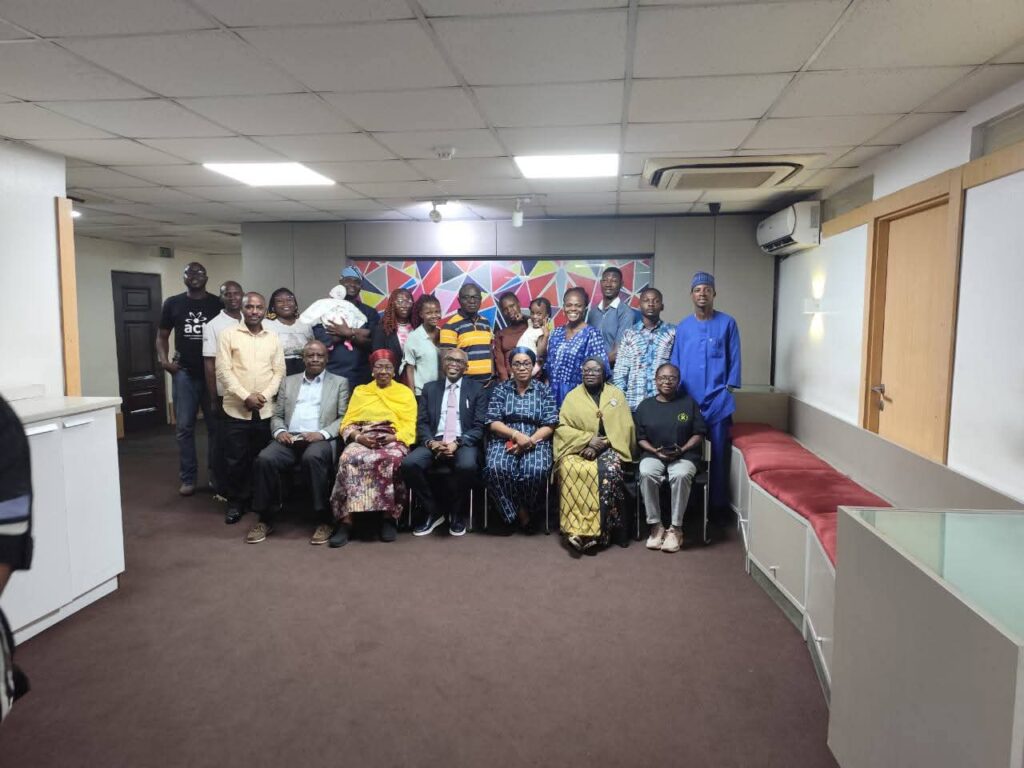
Speaking at a roundtable meeting on Multi-Level Advocacy for Sustainable Family Planning (FP) and Maternal, Newborn and Child Health (MNCH) funding held on April 29, at the Lagos Chamber of Commerce and Industry (LCCI), Ikeja, the chairman said allocations alone were no longer enough without the prompt release of funds.
According to him, Lagos State remains significantly underfunded in family planning and reproductive health services despite its growing population and increasing demand for healthcare.
“We are very much underfunded in family planning and reproductive health services. Our budget has to be made more robust in line with the population of Lagos State. Not just allocation, but releases are even the biggest challenge,” he said.
The event was organised by the Public Health Sustainable Advocacy Initiative ( PHSAI) under the Smart Advocacy for Strategic Action Alliance (SASA) Project, with support from the Gates Foundation. The project is being implemented in Lagos, Kano and Kaduna states to strengthen citizens-driven advocacy and improve policy and funding accountability for women, newborn and child health.
The chairman explained that the meeting brought together government agencies, civil society organisations, media professionals and development stakeholders to identify key gaps affecting sustainable funding for family planning, maternal and child healthcare in Lagos State.
He noted that although Lagos introduced free family planning services in government hospitals since 2016 to support vulnerable residents, shortages of commodities and consumables continue to hinder implementation.
“If family planning commodities are not available, that will be a challenge. If consumables are not available, that is also a challenge. Government must increase budgetary support and ensure funds are released on time,” he added.
He further expressed concern that Lagos allocates only about eight per cent of its budget to health, far below the 15 per cent Abuja Declaration target, while releases to critical health programmes remain poor.
The chairman also stressed the importance of strengthening the Lagos State Health Insurance Scheme, saying low enrolment and operational challenges were discouraging residents from accessing healthcare services.
“All residents must be enrolled in the Lagos health insurance scheme, but the challenges must be addressed. That is why we are planning advocacy visits to LASHMA leadership to present feedback from residents,” he said.
Earlier, PHSAI Programme Coordinator, Abimbola Olusegun, highlighted the growing pressure on Lagos’ healthcare system due to its rising population and increasing demand for services.
She described sustainable financing for FP and MNCH as “critical, not optional,” stressing that family planning reduces maternal deaths, unsafe abortions and child mortality while strengthening families and the economy.
Olusegun explained that Lagos currently operates a mixed financing model involving government funding, donor support and health insurance contributions, but noted that family planning funding remained inadequate.
“Dedicated FP budget lines exist, but funding levels have remained stagnant over time. There are still release gaps, weak tracking systems and poor accountability mechanisms,” she said.
She challenged stakeholders to identify missed opportunities in FP and MNCH funding and commit to immediate action that would improve outcomes for women and children across the state.
Also speaking, the Executive Director of PHSAI, Abiodun Ajayi, said the organisation convened the meeting to address widening gaps in support for family planning consumables across local governments in Lagos.
He warned that failure to act quickly could worsen healthcare challenges in the future.
“If we don’t take steps to address this gap now, it will eventually affect us later on. Before it gets beyond control, we should start addressing it now,” Ajayi said.
He disclosed that stakeholders at the meeting agreed to establish a CSO-media coalition on FP and MNCH funding to intensify advocacy efforts and engage critical agencies, including the Ministry of Health, Primary Health Care Board and Ministry of Economic Planning and Budget.
Ajayi also called on the Lagos State Government to prioritise women’s health and adopt technology-driven systems to fast-track fund approvals and releases.
“The government needs to adopt technology. If the current manual process is not working, then we should use technology to reduce delays and improve efficiency,” he said.
Participants at the meeting agreed that stronger accountability, timely release of health funds and increased investment in family planning and maternal healthcare would significantly reduce maternal and child deaths, improve access to quality healthcare and strengthen public health outcomes across Lagos State.