

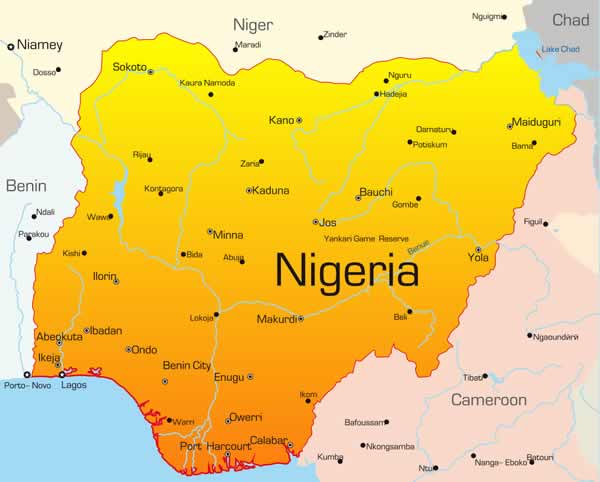

Jigawa, Kano and Katsina states have been identified as states with the highest number of out-of-school children crisis as UNICEF stressed that urgent investment in early childhood education remained critical to turning the tide.
According to UNICEF, Nigeria currently accounts for about 18.3 million out-ofschool children, the highest number globally. An education consultant with UNICEF Kano Field Office, Aisha Abdullahi, disclosed this at a twoday dialogue for journalists from Jigawa, Kano and Katsina states.
She spoke while presenting a paper on foundation learning and skills development, noting that the states alone contribute nearly 30 per cent of the figure, driven by poverty, insecurity, cultural barriers, and poor school readiness.
Abdullahi stressed that Early Childhood Care, Development and Education (ECCDE) offers a strategic and long-term solution, capable of preventing children from falling out of the education system before they even begin.
She emphasised that tackling the crisis requires a shift from reactive interventions to preventive strategies, with early childhood education forming the bedrock of lifelong learning. “Early childhood education is not just a preparatory stage but a strategic intervention to reduce the number of out-of-school children,” Abdullahi said.
According to her, ECCDE targets children from birth to age five, equipping them with essential cognitive, emotional and social skills needed to thrive in formal schooling.
She noted that children exposed to early learning are significantly more likely to enrol in school, stay longer and complete their education, while those who miss such opportunities are twice as likely to drop out.
Abdullahi cited research indicating that nearly 90 per cent of brain development occurs before the age of five, making early learning a critical window for intervention.
Despite policy provisions incorporating one year of pre-primary education into Nigeria’s Universal Basic Education framework, she observed that access to ECCDE remains limited, particularly in rural communities.