




Nigeria’s maritime sector is on the cusp of a structural transformation as the Council for the Regulation of Freight Forwarding in Nigeria (CRFFN) unveils a comprehensive roadmap for the deployment of smart port systems an initiative expected to recalibrate efficiency, security and global competitiveness across the nation’s port ecosystem.
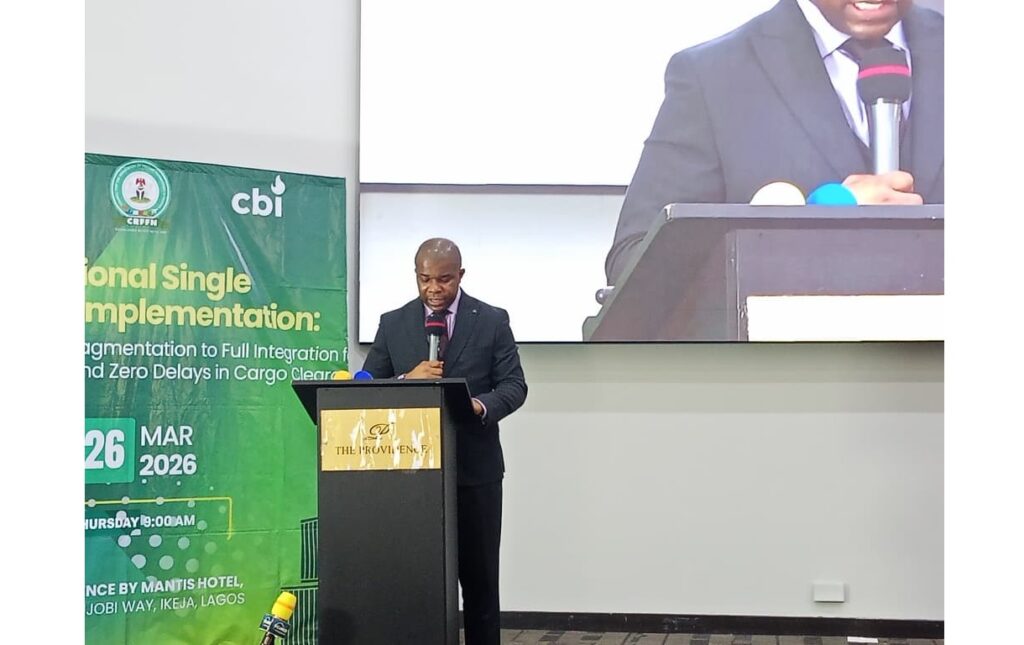
Registrar and Chief Executive Officer of CRFFN, Kingsley Igwe, outlined the strategy during a presentation in Lagos at a recent Port Industry Town Hall Meeting organised by JournalNG where he detailed how the transition to smart ports would fundamentally reshape port operations in Nigeria.
According to Igwe, the shift marks a departure from labour-intensive, manual processes to a fully digitalised, automated and intelligence-driven system designed to meet the demands of modern global trade.
At the heart of the reform is the introduction of advanced cargo-handling infrastructure, including automated quay cranes, 5G-enabled Automated Guided Vehicles (AGVs) and smart gantry crane systems.
He explained that these technologies would significantly reduce vessel turnaround time, eliminate operational redundancies and improve throughput capacity long-standing pressure points that have constrained Nigeria’s port performance.
Igwe noted that the smart port regime would deliver a more predictable and transparent logistics chain, powered by real-time data exchange and integrated digital platforms. He stressed that the adoption of these systems would streamline cargo clearance processes while minimising human interference, thereby reducing delays, errors and opportunities for rent-seeking practices within the ports.
Beyond operational efficiency, he projected substantial economic benefits. A smarter port ecosystem, he said, would lower the cost of doing business, enhance trade facilitation and position Nigeria as a preferred maritime gateway in West and Central Africa.
With faster cargo movement and improved reliability, the country stands to attract higher cargo volumes and increased foreign investment into its port and logistics infrastructure.
The CRFFN boss also highlighted the security implications of the transformation, noting that the integration of automated monitoring systems and digital tracking technologies would strengthen cargo visibility, curb pilferage and improve compliance with international shipping standards.
This, he added, would reinforce Nigeria’s standing in global maritime trade and boost confidence among international partners.








