

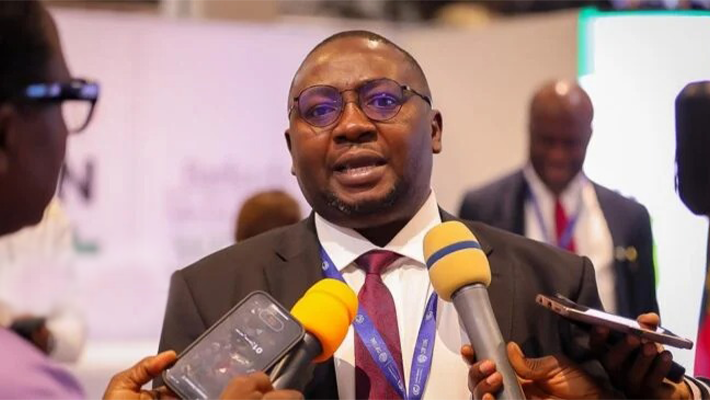


The immediate past Minister of Power, Adebayo Adelabu, has called for sustained commitment and continuity in ongoing reforms in the power sector to ensure consistency in policies designed to reposition the industry.
Adelabu made the call in a statement by Mr Bolaji Tunji, his Senior Special Advisor on Strategic Communications and Media Relations in Abuja. He spoke on Thursday during the formal handover of the ministry to the Permanent Secretary, Alhaji Mamudah Mamman.
He said that while some of the reforms may appear unpopular, they were necessary to guarantee a stable, efficient, and affordable electricity supply for Nigerians. According to him, years of inadequate attention by successive governments contributed to the sector’s challenges, and addressing them requires deliberate and strategic planning.
“These were pursued during my two years and eight months in office,” he said. He said that sustaining the reforms would require courage from both technocrats and political leaders to firmly establish the power sector value chain on a sound footing.
“These reforms are a journey, not an immediate destination. If the process is disrupted, it could derail progress. “Civil servants and technocrats must, therefore, guide the incoming leadership to sustain and build on what has been achieved,” he said.
Adelabu also likened the reform process to laying a foundation on swampy terrain, explaining that while initial efforts may not be visible, they are critical to long-term success. “Our achievements may not yet be obvious to Nigerians, but as the next leadership builds on them, their impact will become clear,” he said.
The former minister also highlighted key milestones, including the signing of the Electricity Act 2023, which decentralised and liberalised the sector, enabling subnational participation. According to him, 16 states have already keyed into the evolving power market, with increased private sector involvement through Electricity Generation Companies (GenCos) and Distribution Companies (DisCos).
He, however, expressed concern that DisCos had largely failed to meet their investment obligations since the 2013 privatisation, urging the government to critically review their licences when due.
Adelabu defended the introduction of the Cost Reflective Tariff (CRT), acknowledging its initial resistance but noting that it is essential for the sector’s sustainability.
“Reforms are often unpopular, but we must move beyond the status quo if we are to develop as a nation,” he said. Adelabu said that he carried out his duties with a clear conscience and in the national interest.








