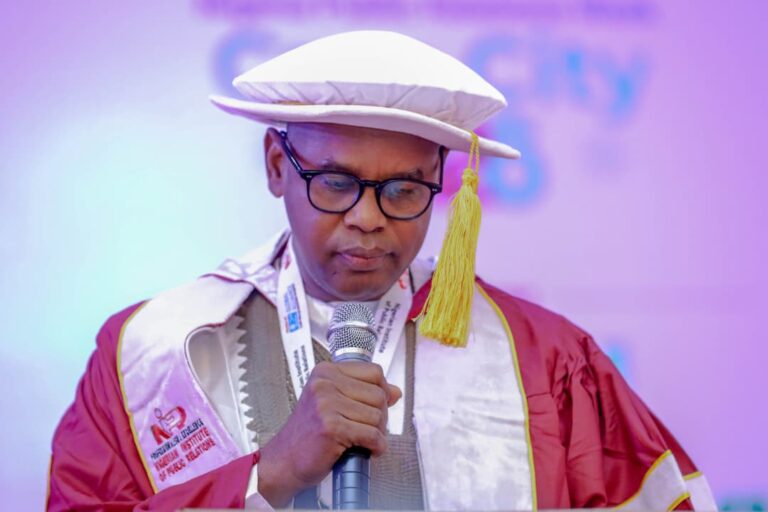



An aspirant for the Idemili North and South Federal Constituency seat in the House of Representatives, Dr Chiogo Constance Ikokwu, has called on political parties across Nigeria to scrap or significantly reduce the cost of nomination forms.
Ikokwu, an aspirant on the platform of the African Democratic Congress (ADC), made this appeal in a statement titled “End the Paywall on Leadership: Let Competence, Not Cash, Decide our Candidates.”
According to her, lowering the financial barriers to contesting elections would promote inclusivity and open up opportunities for women, young people, and persons with disabilities (PWDs).
This is as she argued that the current system has effectively turned political participation into an exclusive preserve of the wealthy, thereby shutting out capable individuals before they even have a chance to compete.
READ ALSO:
“If leadership is truly about service, then access to contest must not be determined by bank balance, but by vision, integrity, and the courage to lead,” she stated.
Ikokwu urged political parties—particularly the ADC, under whose platform she is contesting—to take deliberate steps to either eliminate or drastically reduce nomination fees. She also advocated discounted fees for women and PWDs where total removal is not immediately feasible.
“Political parties, especially the ADC, on whose platform I’m running, must take deliberate steps to eliminate or drastically reduce the cost of nomination forms. I also expect that women and PWDs are allowed to pay discounted fees, if indeed they must pay. If we are serious about deepening democracy, then access to contest should not be reserved for the wealthy or those backed by powerful financiers,” she said.
The aspirant further warned that the influence of money in politics continues to erode the quality of leadership, sidelining individuals with competence and integrity who lack the financial resources to compete.
“Money politics has done deep damage to the quality of our representation. It sidelines visionary candidates who have ideas, integrity, and a genuine desire to serve, but lack the financial muscle to compete.
“By removing these financial and other barriers, parties will not only expand participation but also elevate the standard of leadership. Nigeria deserves leaders chosen for their competence and character, not the size of their wallets,” she added.
Ikokwu, a former journalist, noted that her experience in the media exposed her to the systemic challenges posed by high nomination fees, which discourage many qualified Nigerians—especially women and youths—from entering politics.
She maintained that the country cannot claim to pursue inclusive governance while maintaining financial barriers that exclude a large segment of its population.
“These fees are not a measure of competence or commitment; they are simply a financial gatekeeping tool that narrows our democratic space,” she said.