


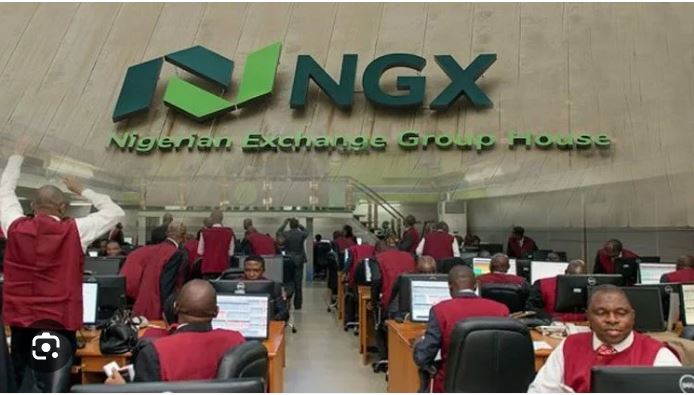
The Nigerian Exchange Limited has announced the expansion of its trading hours from 9:00am to 4:00pm, effective Monday, 27 April 2026. The move is designed to deepen market liquidity, enhance price discovery, and broaden investor access.
Approved by the Securities and Exchange Commission Nigeria, the expansion shifts the market opening earlier from 9:30am to 9:00am and extends the close from 2:30pm to 4:00pm, marking a significant evolution in the Exchange’s market structure.
Commenting on the development, the Exchange stated, “This expansion is a strategic response to the evolving needs of our investors and a clear signal of our commitment to market growth. By aligning our trading hours with international best practices, we are providing a more robust platform for price discovery and ensuring that both domestic and global participants have the flexibility they need to respond to market-moving information in real time.”
The extended trading window is expected to support broader participation across the market. The development builds on the momentum of Nigeria’s recent reclassification to Frontier Market status by FTSE Russell, reinforcing NGX’s global positioning and enhancing its attractiveness to a broader pool of international investors.
This reform reflects strong regulatory collaboration and underscores the Securities and Exchange Commission’s continued commitment to advancing market development initiatives. Alongside the Frontier Market reclassification, it signals a deliberate shift towards a more accessible, liquid, and globally competitive market.
The implementation follows extensive stakeholder engagement, ensuring alignment and operational readiness ahead of the go-live date. NGX Regulation Limited will continue to provide robust oversight to support a smooth and orderly transition while maintaining high standards of transparency and investor protection.
With this development, NGX reinforces its position as a leading multi-asset exchange, deepening liquidity, improving market access, and supporting efficient capital formation within Nigeria’s financial markets.