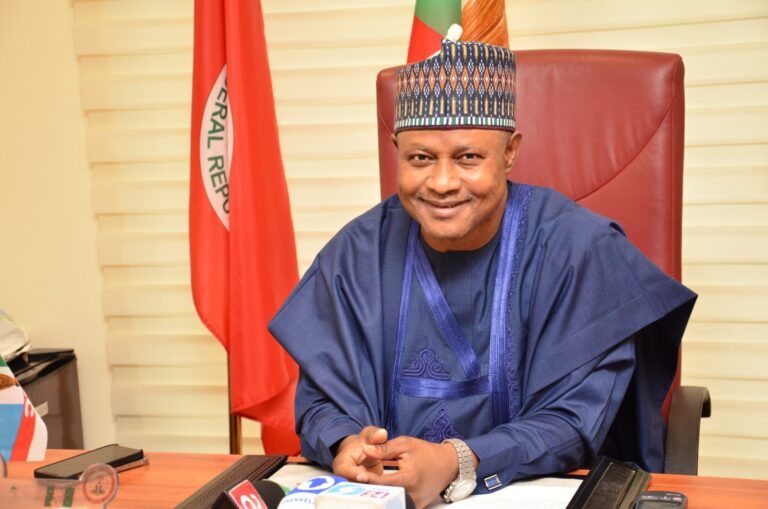



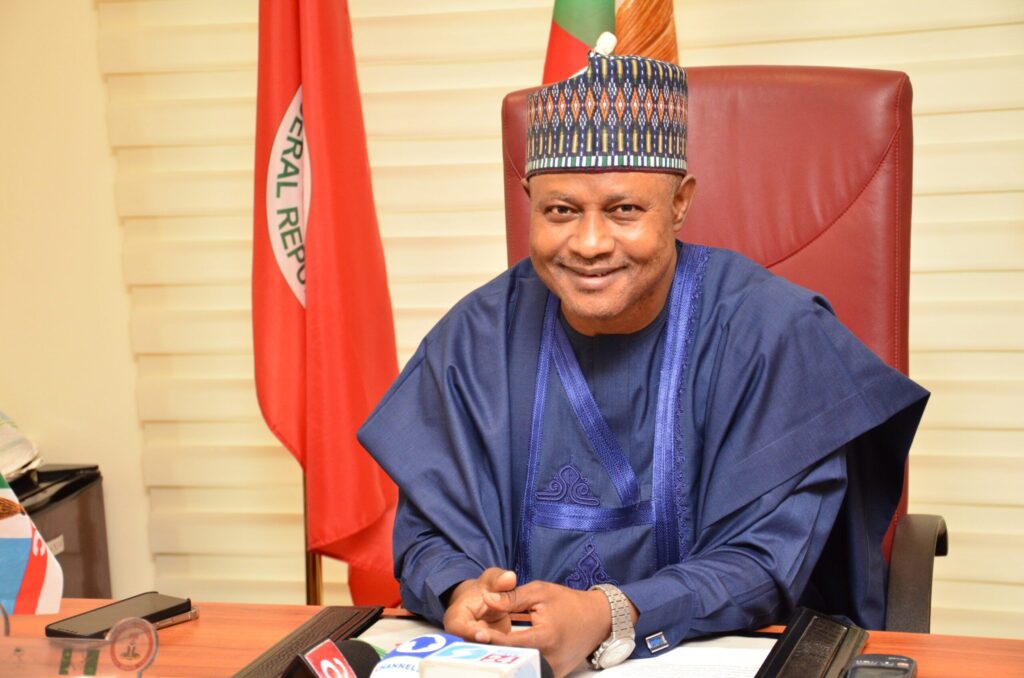
Kaduna State Governor, Uba Sani, has revealed that the state has identified 22,435 hectares of degraded land for restoration, using advanced geospatial mapping technologies under the Agro-Climatic Resilience in Semi-Arid Landscapes (ACReSAL) project.
Governor Sani, who made this disclosure, said the development marks a major step in Kaduna’s climate resilience drive, as the state intensifies efforts to reverse environmental degradation and promote sustainable land use.
Represented by the Commissioner for Environment and Natural Resources, Abubakar Buba, Sani spoke at the ACReSAL mid-term review meeting held in Kaduna.
He explained that the deployment of geospatial tools has enabled the state to accurately map out degraded areas, ensuring targeted and effective restoration interventions.
According to him, the initiative is designed not only to restore ecosystems but also to improve agricultural productivity and livelihoods across affected communities.
The governor added that Kaduna is complementing the land restoration drive with livelihood support programmes, including the training of over 500 women, youths and school feeding vendors in biomass briquette production.
He said the programme is already reducing reliance on firewood while creating alternative income sources for beneficiaries.
Sani further disclosed that over 160 kilometres of drainage channels have been desilted to address urban flooding and improve environmental conditions in key areas.
He noted that the state has also developed a 10-year climate change policy to institutionalise sustainability and guide long-term environmental planning.
The governor, however, stressed the need for stronger collaboration among stakeholders to accelerate the implementation of the ACReSAL project.
Earlier, Minister of Environment and Chairman of the Federal Steering Committee, Balarabe Abbas Lawal, described the mid-term review as a crucial platform to assess progress and fast-track delivery.
Lawal said the project has recorded notable gains in land restoration, afforestation and livelihood support across participating states.
He, however, urged stakeholders to scale up implementation to meet the project’s targets within the stipulated timeframe.
Also speaking, Minister of State for Agriculture and Food Security, Aliyu Sabi Abdullahi, said restoring degraded land is key to boosting food production.
Minister of Water Resources and Sanitation, Joseph Terlumun Utsev, highlighted the link between land degradation and water scarcity.
Stakeholders, including the World Bank, called for faster implementation and stronger accountability to ensure the project delivers measurable impact.