


- …says reforms have improved resilience …seeks support for African countries
- Global lender warns of worsening inflationary pressures …commends FG’s measures
The Minister of Finance and Coordinating Minister of the Economy, Wale Edun, has said Nigeria has no immediate plans to approach the International Monetary Fund (IMF) or any other multilateral lending institution, as the country continues to rely on ongoing reforms to strengthen its macroeconomic stability.
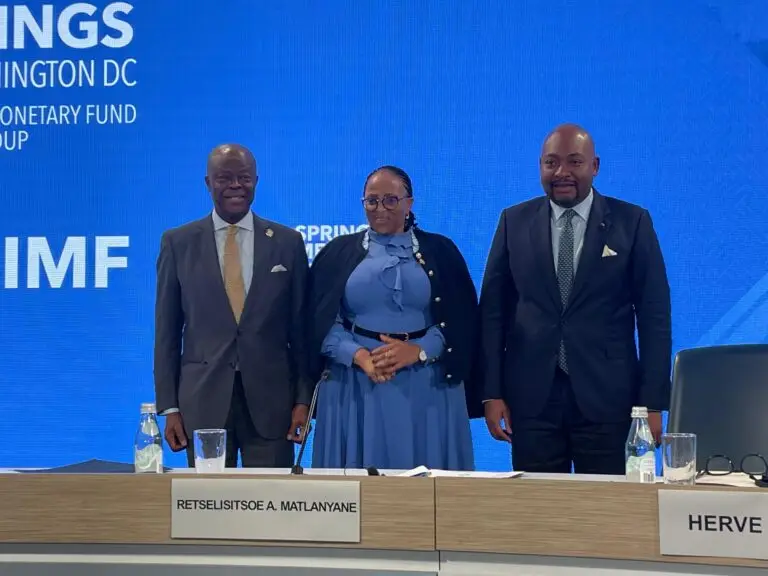
While making the clarification at the African Finance Ministers’ press briefing held at the ongoing IMF/World Bank Annual Meetings in Washington, D.C., yesterday, he also highlighted the impact of global economic shocks on African economies.
This came as the Director of the African Department at the IMF, Abebe Aemro Selassie, also expressed concerns over inflationary presures largely driven by food across the economy.
According to Edun, Nigeria’s reform programme over the past two years has helped restore policy credibility and improve resilience against external pressures, noting that the country has opted for market-based adjustments rather than administrative controls. He said: “Nigeria has no plans at the moment to approach the IMF or any other such body.” In recent times, Nigeria has remained cautious with managing its debt profile to an acceptable level.
As of December 31, 2025, Nigeria’s total public debt (external and domestic) reached N159.28 trillion ($110.97 billion), with domestic debt making up 53.27 per cent of the total.
This represents a year-on-year increase of 10.1 per cent, or N14.61 trillion, from N144.67 trillion in December 2024. Edun, however, called for a faster and more coordinated financial support for African economies, as global financing discussions intensify around a proposed $50 billion support package for vulnerable countries.
The appeal comes as IMF Managing Director, Kristalina Georgieva, had indicated that about $50 billion in financing support was available to help vulnerable economies cushion the impact of ongoing global shocks, including rising borrowing costs, geopolitical tensions, and persistent supply chain disruptions. He said: “The IMF talked about $50 billion and we all know that the funding will largely go to Africa, because those are the most vulnerable countries.
And the reality is that what we’re asking for in this instance, is that the funds and the support be released, because it’s not funding as well, but it be released quickly and at scale.” He also emphasised that while Nigeria has strengthened its domestic buffers through reforms, many African countries remained highly exposed and in need of external support mechanisms.