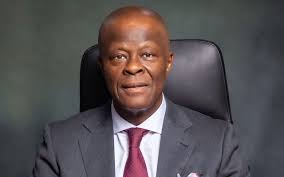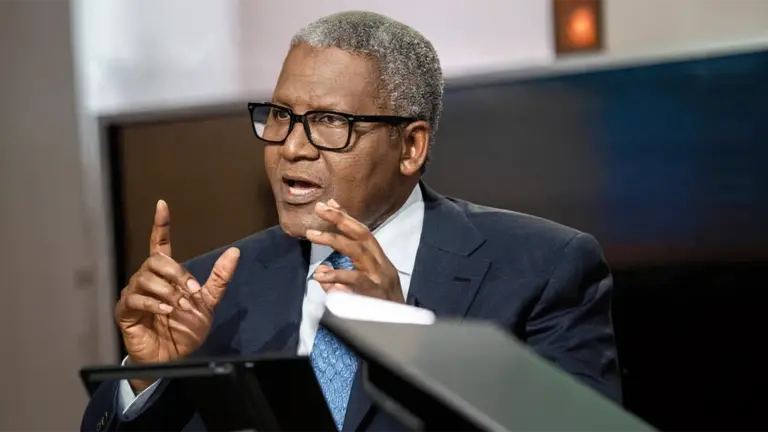




The Attorney General (AG) and Commissioner for Justice of Ondo State, Kayode Ajulo (SAN), has called on young Nigerians to take full ownership of the country’s political space, insisting that their numerical strength in the electorate must translate into leadership and governance influence.
Ajulo made the call on Tuesday, during an interview on Frontline, a current affairs programme on Eagle 102.5 FM, Ilese-Ijebu, Ogun State, where he spoke on youth participation in governance, education reform, and systemic implementation gaps in Nigeria’s development framework.
According to him, while youths dominate voting populations across the country, they remain significantly under-represented in elective and appointive positions, describing the situation as a consequence of weak mobilisation rather than outright exclusion.
“The average percentage of voters in any society is youths, so sometimes I begin to wonder, how come it is notiss that are emerging as leaders? How come the same youths who dominate the voting population are not the ones taking over leadership positions? It shows that there is still a gap in terms of mobilisation and strategic participation,” he said, insisting that political power is not handed out but actively taken through structured engagement, discipline, and lawful participation.
“It is your game, it is your business. You have to put your people forward. Power is not something that will be served to you a la carte, it is more like a buffet where you have to stand up, àtep forward, and take what belongs to you within the confines of the law,” he added.
Beyond political participation, however, the Ondo Attorney General stressed that Nigeria’s broader governance failure lies in implementation rather than lack of policy or legal frameworks, warning that this affects youth development outcomes across sectors.
According to him, many policies already favour youth inclusion, but weak enforcement continues to distort intended results. It is about implementation, and, if I must say, political will… but sometimes you may even have the political will, but who are those championing it, who are those running it, who are those driving that implementation?” he said.
Ajulo noted that the disconnect between policy design and execution remains the biggest barrier to progress, saying, “Nigeria is not lacking in laws. If anything, we are over-burdened with several laws and regulations, but the issue is the rightful application and utilization of these laws,” he said.
He added that institutional ininefficienciesterests often weaken governance structures meant to empower citizens, especially young people.
“Some of us seem to be selfish; some of us seem to be operating within our own interests. Once we begin to put sentiment aside and do what is right for the larger society, many of these issues will naturally resolve themselves,” he stated.
Ajulo also used the opportunity to critique Nigeria’s education system, arguing that excessive focus on academic certificates has limited youth employability and innovation.
He maintained that competence, adaptability, and practical skills are now more valuable than academic credentials alone.
“The issue we have is that we place too much premium on certificates instead of competence. Some individuals who did not graduate with the best grades end up doing better in life because they focused on developing practical skills. Modern success requires emotional and social intelligence alongside academic knowledge.
It is not just about intellectual intelligence, you also need social intelligence, emotional intelligence, and the ability to adapt and solve real-life problems,” he added.