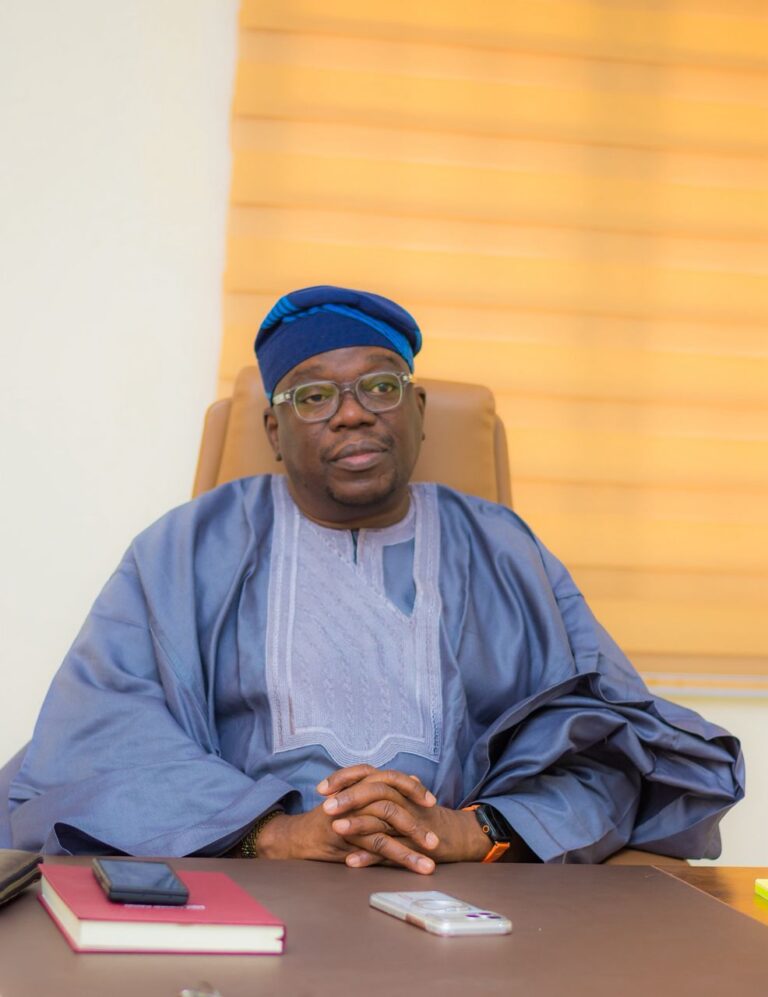




The Attorney General and Commissioner for Justice of Ondo State, Dr Kayode Ajulo, SAN has warned the opposition African Democratic Congress (ADC) against intimidating the Independent National Electoral Commission (INEC) ahead of next year’s elections.
Ajulo in a statement defended the Chairman of INEC, Prof. Joash Ojo Amupitan (SAN), dismissing calls for his removal as he said that the call is reckless and anti-democratic.
He warned that constant attacks from a faction within the ADC over INEC’s refusal to recognise ts leadership claim pose a direct threat to Nigeria’s constitutional order and democratic stability.
He said that the centre of the controversy is INEC’s insistence on recognising only party leadership backed by valid and subsisting court judgments, saying that this is not optional, but constitutional.
According to him, Section 285 of the 1999 Constitution (as amended), alongside the Electoral Act 2022, leaves no room for discretion, and mandate the INEC to act strictly in compliance with judicial pronouncements.
He stressed that the commission’s position is firmly rooted in law, not politics. His words: “The courts have spoken, and their decisions remain binding until set aside through due process. They are not mere opinions to be ignored when inconvenient.”
Ajulo then accused the aggrieved faction of at- tempting to bypass both the ADC’s internal constitution and established legal procedures in its quest for control, only to turn around and attack institutions enforcing the law.
He described such conduct as dangerous, warning that undermining judicial authority for political gain could erode the very foundation of Nigeria’s democracy.
He said: “The rule of law is the backbone of any enduring democratic system. It ensures that no individual or group can bend the rules to suit personal ambition.”
The Attorney-General then urged the INEC chairman to remain steadfast, emphasizing that upholding the law, even in the face of political pressure, is the true test of institutional integrity.
Dr. Ajulo also reaffirmed his own commitment to constitutional principles, noting that his intervention was driven not by politics, but by duty.