

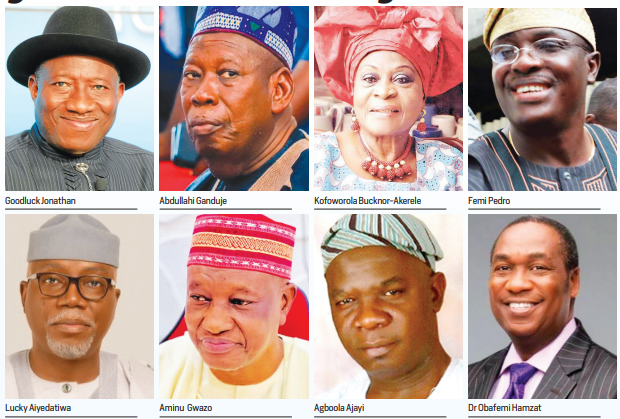
Since Nigeria returned to democratic governance in 1999, only a few deputy governors have had the privilege of becoming governors. It is usually a tug of war between the deputies and their principals.
However, in the build up to the 2027 election, two deputies that have shown courage and may likely step into the hot seat are Obafemi Hamzat and Aminu Gwarzo of Lagos and Kano respectively. While Hamzat is likely to have a smooth transition, if he clinches the All Progressives Congress (APC) ticket, Gwarzo will definitely be faced with a turbulent handover.
Reason being that, Hamzat is in the same party with his boss, Babajide Sanwo-Olu, and their party’s leadership will supervise a seamless transition but same can’t be said of Gwarzo, who is presently at daggers drawn with Governor Abba Yusuf. If Gwarzo, who is set to join the African Democratic Congress (ADC), gets the party’s ticket, he will be riding on the popularity of the leader of the Kwankwasiya movement, Rabiu Musa Kwankwaso.
In Nigeria’s Fourth Republic (1999–present), the position of deputy governor is often described as a “spare tyre,” with many occupants struggling to transition from “deputising” to “governing.” Although governors and their deputies are elected on a joint ticket, the political fate of the latter largely depends on the disposition of their principals. This reality has, in many cases, resulted in tension, marginalisation, impeachment, or political abandonment when deputies attempt to succeed their governors.
Few who succeeded their principals
Only a handful of deputy governors have successfully transitioned to governors through elections or political endorsement. Abdullahi Umar Ganduje (Kano State): Widely regarded as a rare success story, Ganduje served under Rabiu Musa Kwankwaso for eight years from 1999 to 2003 and 2011 to 2015, and was subsequently endorsed by his principal, enabling him to win the 2015 governorship election.

Goodluck Jonathan (Bayelsa State): He served as deputy to Diepreye Alamieyeseigha and became governor following his (Alamieyeseigha) impeachment in 2005; a development that later paved the way for his rise to the presidency.
Christopher Adebayo Alao-Akala (Oyo State): He became acting governor following the impeachment of Rashidi Ladoja and later won the governorship election in 2007. Lucky Aiyedatiwa (Ondo State): He assumed office as governor after the death of his principal, Rotimi Akeredolu, in December 2023, and later secured his party’s ticket ahead of the 2024 governorship election.
Contenders who fell out with their governors
A larger number of deputy governors have seen their ambitions truncated due to strained relationships with their principals. Kofoworola Bucknor-Akerele (Lagos State): Elected as deputy to Bola Ahmed Tinubu in 1999, she resigned in 2002 following a prolonged political rift and an impending impeachment process.
Femi Pedro (Lagos State): Appointed deputy governor in 2003, he later fell out with Tinubu over his governorship ambition and was impeached in 2007, though the impeachment was nullified years later. Agboola Ajayi (Ondo State): He defected from the All Progressives Congress, APC, to the People’s Democratic Party, PDP, to challenge his principal, Rotimi Akeredolu, in the 2020 election but was unsuccessful.
Sunday Onyebuchi (Enugu State): His office was weakened under Governor Sullivan Chime, culminating in his impeachment in 2014. Simon Achuba (Kogi State): He was impeached after falling out with Governor Yahaya Bello, although a court later declared his removal illegal.
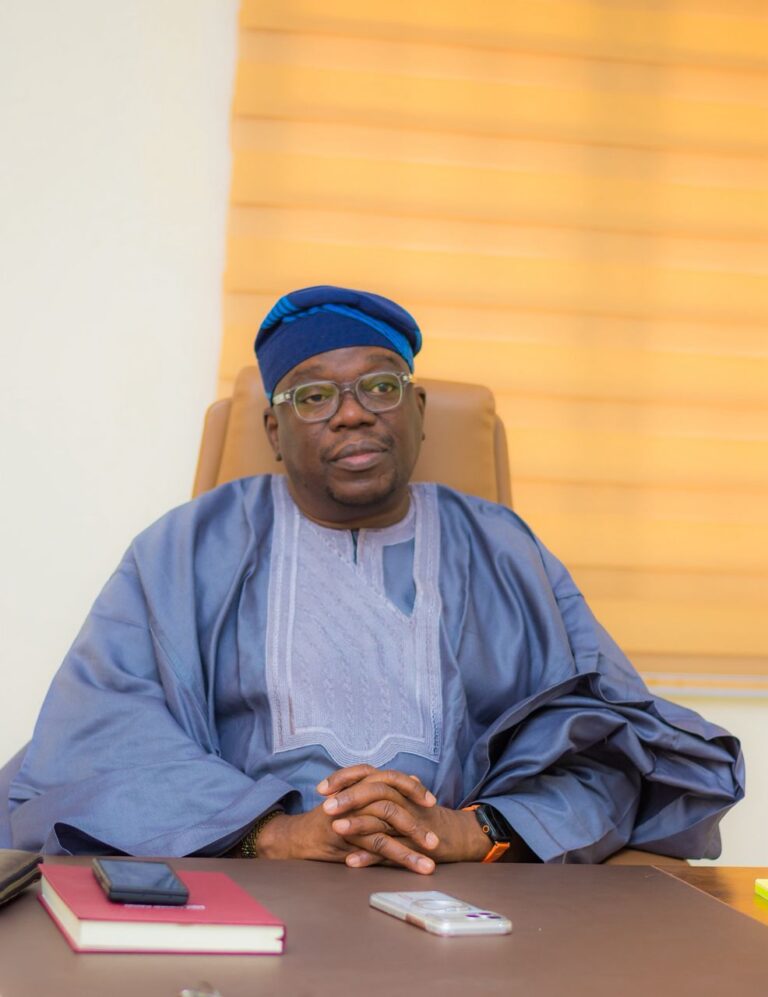
As the 2027 election cycle approaches, several deputy governors are believed to be nursing governorship ambitions. Femi Hamzat (Lagos State): Serving under Governor Babajide Sanwo-Olu, he is widely regarded as a technocrat with strong credentials and is reportedly being considered within the ruling party’s power structure.
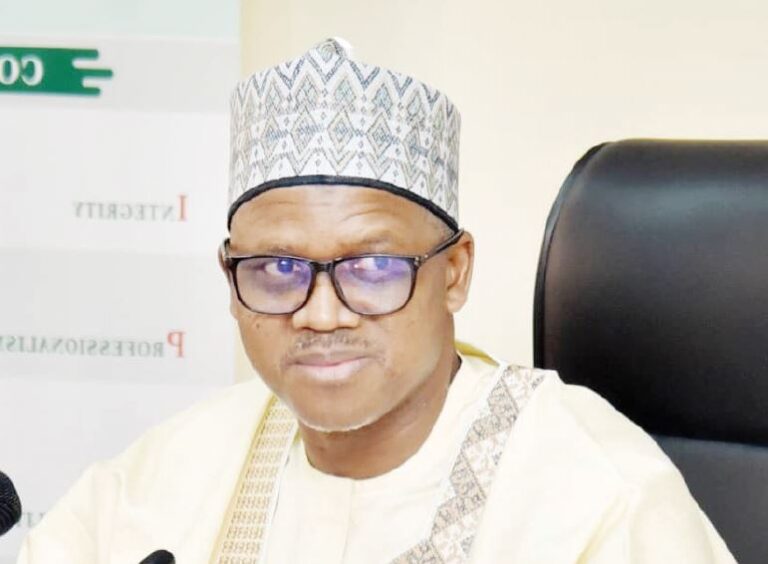
Aminu Gwarzo, who did not move from the New Nigeria Peoples Party (NNPP) to the APC with Governor Abba Yusuf of Kano State, resigned from his position amid reported impeachment plots by the state House of Assembly. The Assembly had, in recent days, levelled a series of allegations against Gwarzo, including claims of misconduct following his refusal to join the APC with the Governor, Abba Yusuf. Yusuf joined the APC on January 26, a move that triggered significant shifts within the state’s political and administrative structures.
There is tendency that Gwarzo would be supported by Kwankwaso to contest for the governorship seat of Kano State in 2027. Political analysts noted that the success of such ambitions will depend on several factors, including: The support or opposition of incumbent governor, internal party dynamics, zoning arrangements and regional considerations and control of grassroots political structures.
As 2027 approaches, analysts predict intensified political manoeuvring across states, with deputy governors quietly positioning themselves while governors consolidate control over party structures.
While a few may eventually secure party tickets and win elections, many others are likely to face the familiar hurdles of political resistance, internal party dynamics, and the ever-present influence of incumbent governors. In the end, analysts agree that the ambition of deputy governors to become governors is legitimate but remains one of the most difficult transitions in Nigeria’s political system.