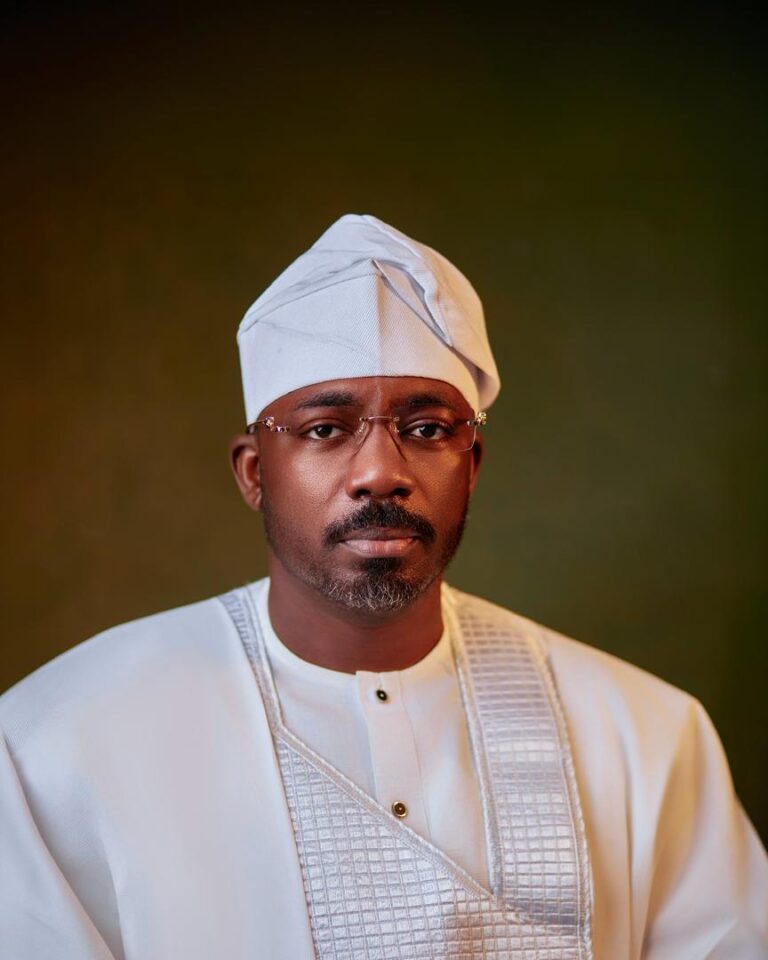
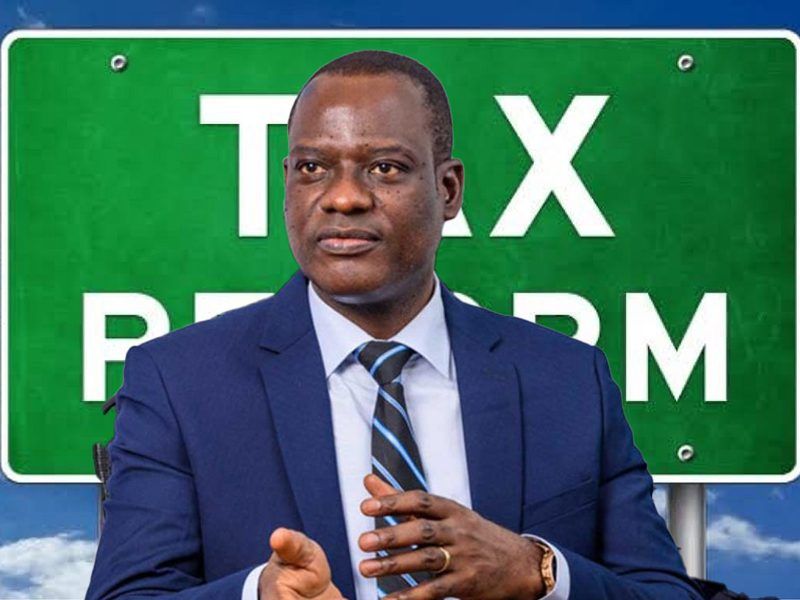
Minister of State for Finance Dr Taiwo Oyedele on Thursday said illicit financing is the biggest threat to Africa’s fiscal sovereignty.
This is as he urged African nations to strengthen domestic systems by investing in tax administration, digitising processes, and building capacity as a way of tackling illicit financial flows in the region.
Oyedele, the former Chairman of the Tax Policy Reform Committee, made this call in Abuja at the closing ceremony of the 5th session of the subcommittee on tax and Illicit financial flows of the Specialised Technical Committee on Finance, Monetary Affairs, Economic Planning and Integration (STC – FMAEPI).
The conference, themed: “Building the Africa we want through tax and fiscal policy”, was organised by the Nigeria Revenue Service ( NRS).
Oyedele also calls for collaboration across countries, across institutions and across regions.
To tackle incidents of illicit financial flows said to be costing Africa about $88 billion annually, Oyedele urged African nations to stay committed to reform, even when it is difficult, because it will be difficult.
“With regards to tackling illicit financial flows, this remains one of the biggest threats to Africa’s fiscal sovereignty. What we have seen clearly is that it is not just a tax issue; it is a governance and development issue.
“We must strengthen transparency systems, including beneficial ownership registers. We must enhance cross-border cooperation, use data more effectively, and ensure enforcement is credible and consistent”
The Minister notes that “every naira, every shilling, every rand, every dollar lost to illicit financial flow is a school not built, it’s a hospital not equipped, and it’s a job not created”
“Tax value where it is created. Africa must not be a passive participant in the global digital economy. We must assert our taxing rights. We must build capacity for digital tax administration and engage strategically in global negotiations”, he added.
He referenced ongoing work at the United Nations and other platforms, saying it presents an opportunity that must not be wasted. To this end, he said coordination is no longer optional.
“This is one very clear takeaway from this conference, because fragmentation is costing Africa.
Whether in tax policy, in incentives, treaty negotiation, or in enforcement, we must move toward greater coordination and harmonisation. The African Continental Free Trade Area presents a unique opportunity to align our fiscal systems with our trade ambitions, because integration without coordination will not deliver results”.
He said Africa’s future will not be defined by its challenges, but how decisively it responds to them, adding that fiscal strength is not just about revenue; it’s about sovereignty, stability, and sustainable development.
“If we get our tax systems right, if we close the leakages, if we mobilise resources optimally, and then spend wisely, then we will not only build the Africa we want, we will secure the Africa that we truly deserve”, he said.