


The Presidential Initiative on Compressed Natural Gas (PiCNG) and Electric Vehicles (EVs), yesterday said over 4,600 tricycles and 100,000 vehicles in Nigeria now use CNG as an alternative or complement fuel.
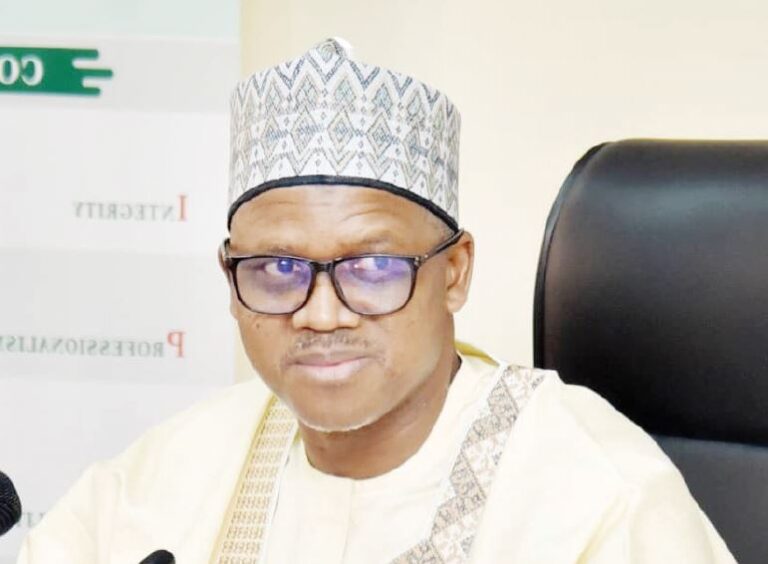
The Chief Compliance Officer, PiCNG, Mr Zayyanu Tambari, made this known to the News Agency of Nigeria (NAN) in Abuja yesterday.
Tambari recalled that as at 2023, there were only about 11,000 CNG converted vehicles in the country, adding that it was targeting to covert one million vehicles by 2027.
He said: “Currently, there are more than 100,000 cars that are using CNG on the Nigerian roads. Companies in the private sector and operators are refitting their fleet, especially the long haulage to move on CNG.
“There are more than 11,000 Natural Gas Vehicles (NGV) assembled, including haulage trucks and more than 4,000 Dangote Trucks. “More than 4,600 CNG tricycles, 510 CNG/AGO/ PMS buses have been deployed. Our target is to covert one million vehicles by 2027.”
He said the presidential mandate was to convert one million vehicles or to have at least one million vehicles using CNG either converted, factory fitted, manufactured in Nigeria or imported by 2027.
He recalled that at its inauguration, there were 11 states with CNG infrastructure but currently there were more than 23 states with CNG footprint and conversion programme, while there were 379 conversion centres in the country.
“By the end of 2026, we will have taken the CNG footprint to every state, if not every senatorial district in Nigeria,” he said. The expert also said as at 2023, there were 20 refilling infrastructure in Nigeria, but currently there are 58,000 refilling stations and 21 CNG mother stations, while over 6,300 technicians have been trained.
He said it had attracted over two billion dollars investments in the CNG subsector, while targeting five billion dollars investment in 2027, in view of the private sector interest in the CNG ecosystem.