

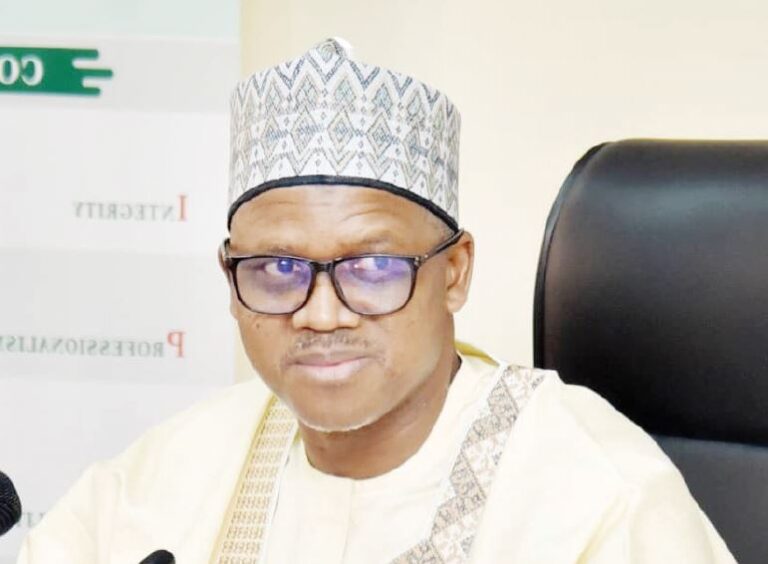

The Minister of Livestock Development, Idi Mukhtar Maiha, has laid the foundation stone for a Livestock Service Centre in Sokoto State, describing the project as a key step in transforming Nigeria’s livestock sector and empowering rural communities.
Speaking at the ceremony, Maiha said the centre is a strategic intervention designed to strengthen veterinary services, improve animal husbandry practices, enhance productivity, and expand the livestock value chain across the North-West and beyond.
“The centre will serve as a hub for veterinary care, livestock training, breed improvement, and youth empowerment, providing vital support to pastoralists and farmers in the region,” he explained.
The Minister highlighted the federal government’s broader efforts to reposition the livestock subsector, align projects with national development plans, and create economic opportunities for rural communities. He also emphasized plans to integrate such centres into a nationwide network to support commercial livestock systems, combat animal diseases, and promote sustainable agricultural growth.
Maiha expressed gratitude to the World Bank for supporting the Livestock Development Programme, stating, “We look forward to continuing our partnership with the World Bank and other development partners to advance the livestock sector in Nigeria.”
Dr. Muhammad Sanusi, National Coordinator of the Livestock Development Programme, commended the Minister for his vision and leadership in driving Nigeria’s livestock development agenda.
Sokoto State Governor, Dr. Ahmad Aliyu, welcomed the federal intervention, noting that the Livestock Service Centre will complement state-led agricultural reforms, enhance food security, create jobs, and encourage youth participation in agribusiness. He also highlighted ongoing efforts by the state government to tackle banditry, which has affected livestock production in the region.
Local livestock herders and community representatives praised the initiative, expressing optimism that the centre will improve access to essential services, enhance livestock health, and create new economic opportunities for smallholder farmers.
The project is expected to attract partnerships with private sector players, development agencies, and educational institutions, reinforcing the Federal Government’s commitment to modernizing Nigeria’s livestock industry and addressing longstanding gaps in veterinary infrastructure and training.