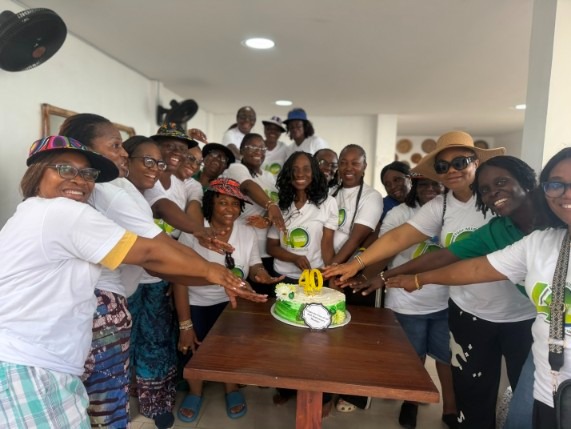




The Director of Enterprise Sales at FairMoney Business, Gloria Onosode, has said that the future of the Nigerian economy is intrinsically tied to the success of its women.
Laying this emphasis in a statement on Tuesday, Onosode noted that the path to the $1tn milestone requires a fundamental shift in how these businesses operate.
She said, “To achieve this, women-led businesses must transition from mere passive observers to primary growth drivers at the heart of the economy and strategic participants in their respective industries.”
Onosode noted that for these businesses to scale beyond subsistence trading, they must be integrated into the digital value chain. This transition allows for better record-keeping and data-driven decision-making, which are critical for accessing formal credit.
“When we prioritise women-led businesses, we are not merely fulfilling a gender quota; we can contribute to unlocking economic potential across sectors,“ she noted.
As Nigeria pursues an ambitious target of a $1tn economy by 2030, the digital empowerment of women-led businesses has moved from a social initiative to a macroeconomic necessity.
According to industry experts and recent data from the Small and Medium Enterprise Development Agency of Nigeria, women now lead approximately 72 per cent of the country’s 39.6 million MSMEs, a significant surge from previous years. This shift positions female entrepreneurs not just as participants but as the primary engines of job creation and community stability.
The structural hurdles, however, remain steep. Despite their entrepreneurial drive, Nigerian women face a staggering credit gap estimated at over N2.9tn, according to the World Bank IFC Nigeria2Equal initiative.
“Digital empowerment for these enterprises must move from being a social responsibility or gender support initiative to contributing to broader economic development,” Onosode added.
To bridge this gap, FairMoney Microfinance Bank has introduced tools designed to move women from informal “under-the-mattress” savings to digitised, interest-bearing products that build financial resilience.
Onosode highlighted the “multiplier effect” of supporting female-led enterprises, noting that research shows women reinvest up to 90 per cent of their income into their families and communities, specifically in education, healthcare, and nutrition.
“The future of the Nigerian economy is intrinsically tied to the success of its women. When we prioritise women-led businesses, we are not merely fulfilling a gender quota; we can contribute to unlocking economic potential across sectors,” she said.
As Nigeria navigates its path toward the 2030 goal, the consensus among stakeholders is that the resilience of women entrepreneurs will be the deciding factor.
“A $1tn Nigeria is not just a dream; it represents a significant opportunity that can be progressively realised by the resilient women entrepreneurs of our nation,” Onosode concluded.