


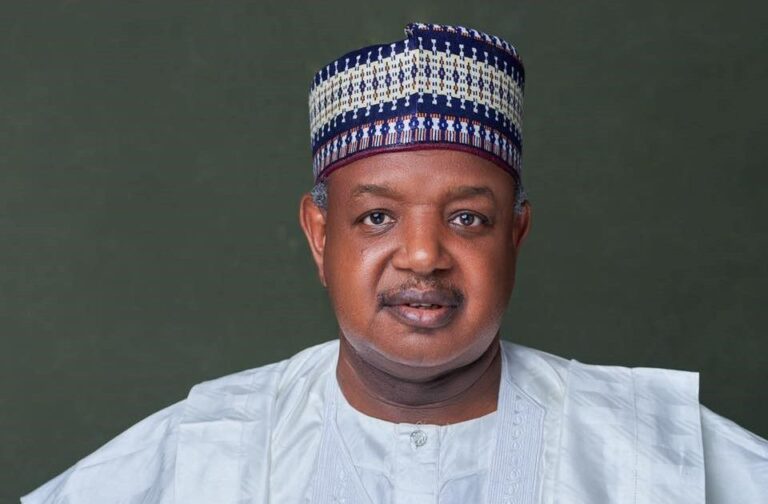
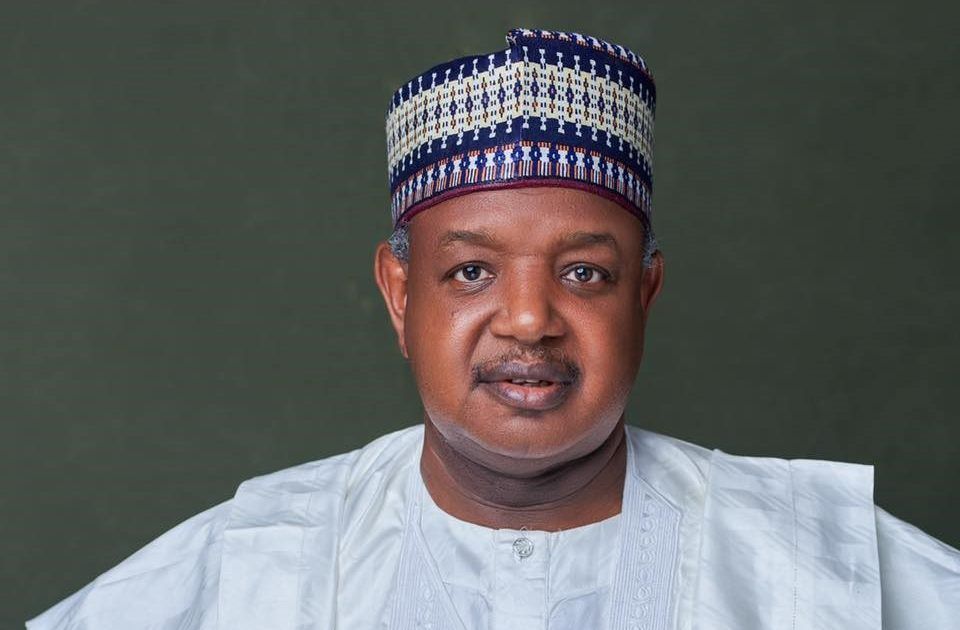
The Minister of Budget and Economic Planning, Senator Abubakar Bagudu, has reaffirmed President Bola Tinubu’s commitment to inclusive, sustainable, and innovation-driven national development, emphasising that this commitment is essential to achieving his administration’s ambitious vision of a $1 trillion economy by 2030.
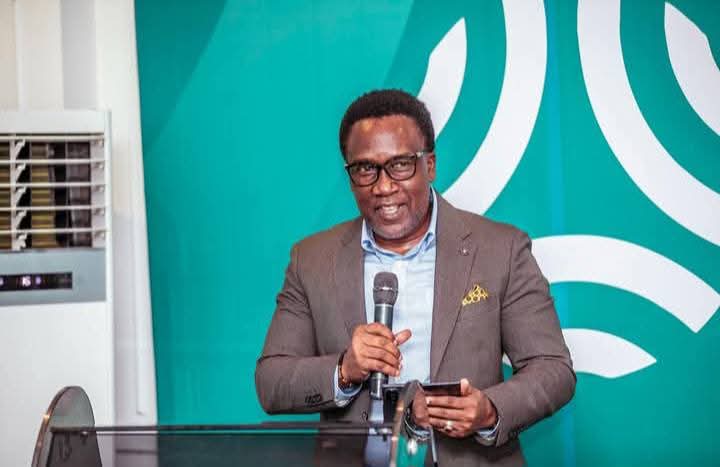
“Mr President believes that development must include everyone, be sustainable over time, and embrace innovation, because what worked yesterday may not work today,” he told participants at the inaugural Annual Advocacy Lecture of the Nathaniel Atebije Foundation for Planning Advocacy on Tuesday in Abuja.
Speaking to the lecture’s theme, which he said closely aligned with the Federal Government’s current priorities, he stated that Nigeria is finalising its 2026 National Development Plan, a critical component of the administration’s vision to transform the nation into a $1 trillion economy within the next five years.
“Nigeria is not where we want to be, but we are determined to move forward with clear choices and a shared vision to unite all Nigerians towards achieving a $1 trillion economy,” the minister stated.
While acknowledging the scale of the ambition, the minister emphasised that achieving such growth would require deliberate planning, strategic collaboration, and the active participation of intellectuals, professionals, and stakeholders across all sectors of society.
“This goal cannot be achieved in isolation. It requires deep thought, collaboration, and contributions from all sectors of our society,” he added.
He stressed that national development extends beyond economic policy, encompassing coordinated planning across physical, environmental, social, and financial domains.
According to him, the success of Nigeria’s development agenda rests on three pillars: inclusiveness, sustainability, and innovation.
“Development must include everyone, it must be sustainable over time, and it must embrace innovation, because what worked yesterday may not work today,” he noted.
Highlighting the critical role of physical planning, the minister described it as a key driver of economic progress and national stability.
He observed that many persistent conflicts across the country, particularly those over land use among farmers, herders, and communities, are often the result of inadequate or poorly implemented planning systems.
“Many of the conflicts we face today stem from how we use land and space. Poor planning breeds tension, while good planning fosters peace and prosperity,” he said.
Drawing on practical examples, the Minister illustrated how poorly managed urban and rural spaces can become flashpoints for conflict, reinforcing the need for proactive, structured, and inclusive planning approaches.
“Planning is not just about land or infrastructure; it is about people and how they live together,” he emphasised.
He further linked these priorities to the administration’s Renewed Hope Agenda, which aims to unify Nigerians around a shared vision for national progress.
He urged a shift away from dwelling on past shortcomings towards pragmatic, forward-thinking solutions.
“Rather than spend all our energy debating the past, we must focus on what unites us and drives collective action for the future,” he stated.
The minister also emphasised the importance of intergovernmental collaboration, noting that effective planning requires seamless coordination among federal, state, and local governments.
“Development is a shared responsibility. Federal, state, and local governments must collaborate to ensure planning is inclusive and effective,” he said.
He further emphasised the urgency of adopting modern approaches to address population growth and technological change.
“As our population grows and technology reshapes our world, we must plan more intelligently and proactively to meet emerging demands,” he added.
The minister reiterated that Nigeria’s ability to achieve sustainable economic growth, reduce conflicts, and build a stable society will largely depend on how effectively it manages its physical and economic spaces.
“If we get our planning right—by being inclusive, sustainable, and innovative—we will create opportunities for all Nigerians and build a more prosperous and united nation,” he said.








