

Nigerian Shippers’ Council (NSC) is considering an automatic tariff adjustment mechanism that would put an end to the manual practice that usually sparks crises in the port industry.
The Executive Secretary of the council, Dr Pius Akuta, disclosed this in Lagos, following the lingering face-off among importers, freight forwarders and the shipping companies over the hike in service charges.
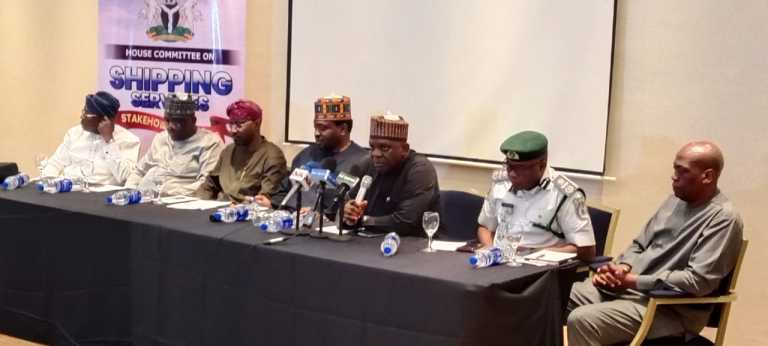
At a stakeholders meeting attended by the House Committee on Shipping Services, Nigeria Customs Service, Nigerian Ports Authority (NPA), representatives of shipping lines, terminal operators and industry associations, Akutah disclosed that the council was working on the automated system, which would be transmitted to all the stakeholders.
Akuta explained: “The second point would be the aspect of the automatic system for tariff adjustment, which the Nigerian Shippers’ Council is promoting.
“So rather than always have a manual process for tariff adjustment, let us have an automatic system and in our country, most times when prices of things go up, they have to come down.
“But it is in our interest to have an automatic system whereby, when the indices arising from volatility in exchange rates, general operational costs, like inflation, and all of those, would occur at the higher margins, so the adjustment can go up.
“And when they come down, or some of the necessary factors have changed for the better, then the tariff should automatically adjust itself downwards. That is a process that is ongoing.
“Very soon, we will be sharing the technology component with the relevant stakeholders to look at it and to see what conclusions can be made about that platform.”
He recounted why the council granted the approval for an increase in tariff due to the economic realities in the country and the fact that there has not been any hike in tariff in the past two years.
He, however, said in order not to trigger spiralling inflation, the council granted a tariff increase to a maximum of 30 per cent.
Akutah disclosed that the council was forced to suspend the implementation of the increase due to the resistance of the freight forwarders.
However, the shipping companies stated that the 30 per cent increase was not inadequate as it falls below the inflation mark in the country.
Meanwhile, the Chairman, House Committee on Shipping Services, Abdusamad Dasuki, has directed that the Nigerian Shippers’ Council should convene another meeting in a week with the two warring parties, where all the grey areas should be resolved and their resolutions brought to an enlarged stakeholders meeting, where a new date for the implementation of the new tariff would be finalised.
Dasuki noted: “We expect that at the next meeting, there will be a clear framework, including timelines and participation of regulatory representatives, to guide the process towards implementation.”
He added that a new implementation date for any agreed tariff adjustment would be announced after consultations are concluded.