
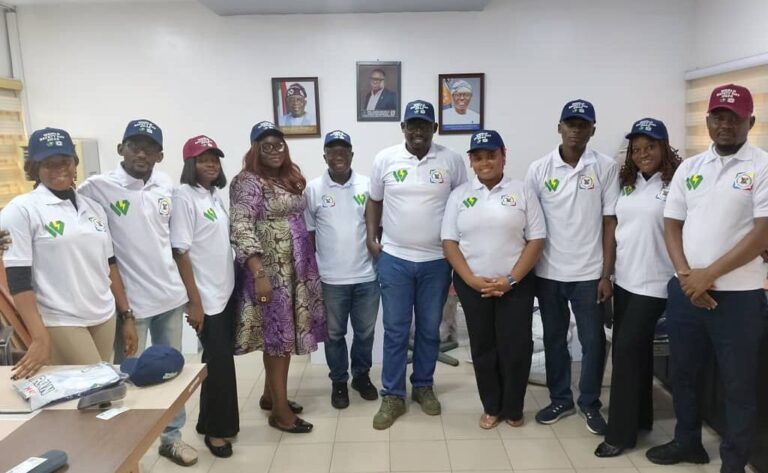

The Lagos State Pension Commission has cleared another batch of retirement benefits for former public servants, extending a pension reform programme that Nigeria’s commercial capital has used to position itself as one of the country’s more consistent administrators of post-service welfare obligations.
The latest disbursement, announced during the 114th Batch Retirement Bond Certificate Presentation Ceremony in Lagos over the weekend, covered 668 retirees owed accrued pension rights from before the state adopted the Contributory Pension Scheme in 2007.
LASPEC said N1.126bn was released under the exercise, underscoring the Lagos State Government’s effort to sustain pension payments despite mounting fiscal pressures and rising living costs.
For Lagos, the payments form part of a broader strategy to maintain confidence in a pension framework designed to reduce the delays and funding gaps that have historically plagued retirement administration in many Nigerian states.
Director-General of LASPEC, Babalola Obilana, said the latest batch reinforces the government’s commitment to protecting the welfare and financial security of retired workers.
“The 114th batch joins the growing number of retirees who have received their benefits, reinforcing our promise of financial security to public servants,” Obilana said.
Nigeria introduced the contributory pension system as part of wider reforms aimed at replacing the largely unsustainable defined benefits model under which governments frequently accumulated unpaid pension liabilities. Under the revised framework, employers and employees contribute to retirement savings accounts managed by licensed pension fund administrators.
Implementation has varied widely across Nigeria’s 36 states, with several still grappling with unpaid pension arrears, delayed remittances and administrative bottlenecks. Lagos, however, has consistently sought to distinguish itself through periodic retirement bond disbursements and a more structured pension management process.
Obilana described the state’s pension framework as one of the most efficient in the country, attributing the performance to coordination between LASPEC, pension fund administrators, annuity service providers and other stakeholders involved in benefit processing.
The state has increasingly relied on scheduled retirement bond payments to settle obligations owed to workers who retired before the contributory system came into effect. Those accrued rights remain a major challenge for many subnational governments already strained by weak revenues, rising debt servicing costs and inflation-driven expenditure pressures.
Lagos, Nigeria’s economic hub, benefits from one of the country’s strongest internally generated revenue bases and has continued to channel resources towards infrastructure, transportation, healthcare and pension administration as part of broader governance reforms.
The latest payout comes at a time when inflationary pressures continue to squeeze household incomes across the country, leaving many retirees particularly exposed to rising costs of food, housing and healthcare.
Analysts say consistent pension payments are becoming increasingly significant as economic reforms, including subsidy removals and currency liberalisation, continue to reshape consumer spending and living conditions nationwide.
LASPEC also said it has intensified capacity-building programmes for pension desk officers, directors and administrative staff across ministries, departments and agencies to improve efficiency in pension documentation and processing.