
Sahara Power Group has advocated the adoption of a digital electricity grid as a solution to Nigeria’s persistent power supply challenges.
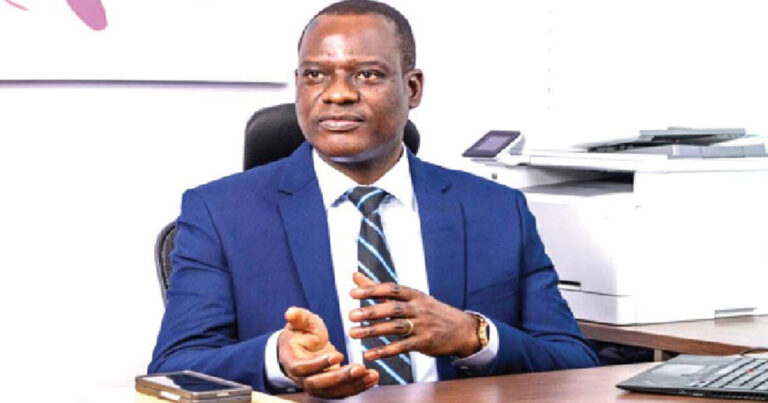
The Group Managing Director of Sahara Power Group, Dr Kola Adesina, who made this known in remarks delivered on his behalf at the IoT West Africa Conference in Lagos, said a digital grid represents the fastest and most sustainable pathway to achieving a reliable electricity supply nationwide.
Adesina, whose speech was presented by the Group Head, Human Resources at Sahara Group, Emilomo Arorote, noted that despite Nigeria’s significant generation capacity, supply gaps persist due to limited grid visibility, insufficient real-time data, and weak system intelligence.
He explained that a digital grid introduces real-time awareness, automation, and predictive intelligence into electricity networks.
“Sensors deployed on transformers and other critical assets can detect faults before failures occur, while smart meters improve transparency and billing accuracy,” he said.
He added that advanced data analytics and artificial intelligence, layered over live operational data, enable operators to forecast demand, reduce technical and commercial losses, identify energy theft more quickly, and shift from reactive to preventive maintenance.
Adesina cited practical examples demonstrating the impact of digital solutions. He noted that the Aba Power industrial cluster in Abia State operates as a nearly isolated smart grid that automatically disconnects from the national system within milliseconds when instability is detected, ensuring continuity of supply for customers.
He added that in South Africa, improved grid operations have delivered more than 320 consecutive days without load shedding, largely on existing infrastructure.
Mozambique, he added, has also recorded significant progress, reducing electricity losses from 43 per cent to 21 per cent through the deployment of smart prepaid meters.
Adesina said granting import duty waivers on critical digital grid equipment such as sensors, smart meters, and battery storage systems would further strengthen the electricity value chain.
He noted that Sahara Power Group’s inclusion on the Mission 300 Private Sector Council, a collaborative initiative led by the World Bank and other partners to extend electricity access to 300 million Africans by 2030, demonstrates the increasing international trust in solutions driven by the private sector.
Adesina urged electricity sector operators to begin digitising critical assets immediately, rather than waiting for ideal conditions, and encouraged financiers to expand the use of blended finance, combining public, philanthropic, and private capital to unlock investment in Nigeria’s electricity distribution segment.
He also urged young Nigerian engineers, developers, and technology founders to build solutions for the digital grid, stressing that operators are ready to adopt innovations that deliver measurable impact.
“The quantum leap is not a slogan; it is a decision. With the right partnerships and choices, reliable electricity is within reach, and the future of Nigeria’s power sector can be one of resilience, confidence, and growth,” Adesina said.