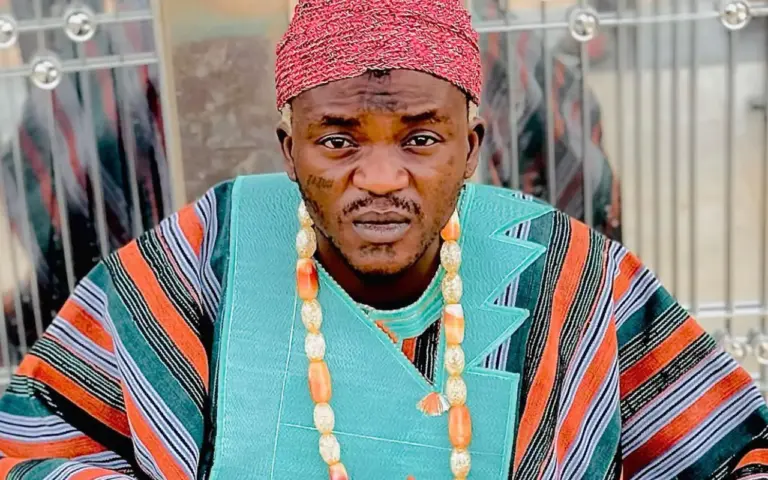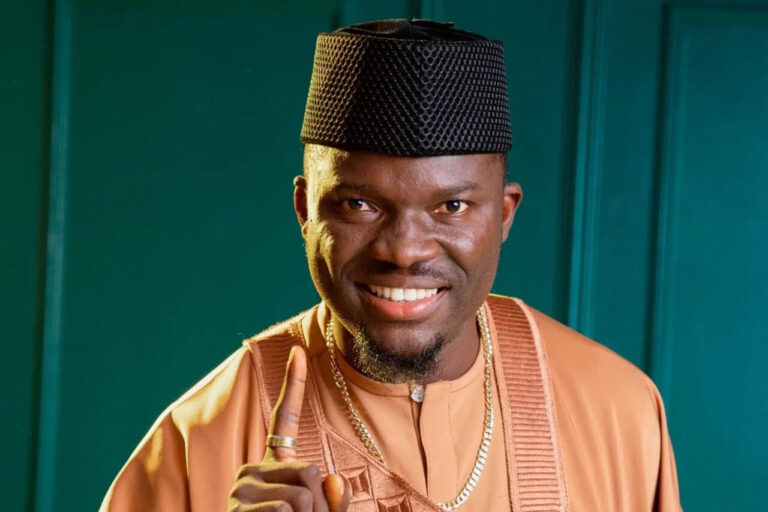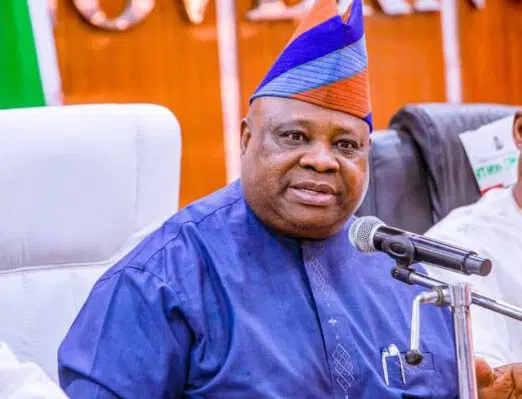
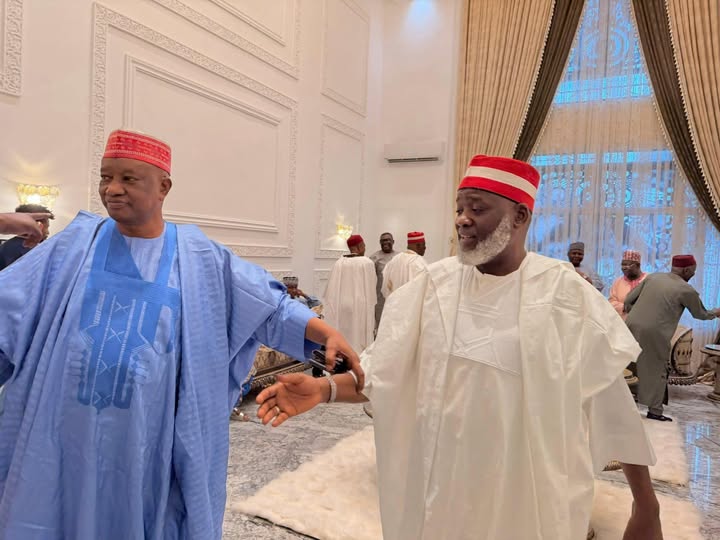
The immediate past Deputy Governor of Kano State, Aminu Abdussalam Gwarzo, and the 2023 governorship candidate of the All Progressives Congress (APC), Nasiru Gawuna, are set to defect from the African Democratic Congress (ADC) to the Nigeria Democratic Congress (NDC).
Their planned defection, which was confirmed by their aides, comes amid a wave of political realignments ahead of the 2027 general elections, following moves by key opposition figures including Rabiu Musa Kwankwaso and Peter Obi.
New Telegraph had earlier reported that Kwankwaso and Obi were seen in a viral video receiving membership cards of the NDC.
The development signals what sources described as their formal registration with the party after a closed-door meeting with NDC leaders at the Abuja residence of the party’s National Leader and former Bayelsa State Governor, Seriake Dickson.
Confirming the impending defections, Gwarzo’s spokesperson, Ibrahim Shuaibu, said the former deputy governor’s decision aligns with Kwankwaso’s political direction.
READ ALSO:
“Do you think Kwankwaso will dump ADC, and Gwarzo will remain in the party? He will soon make his position known publicly,” Shuaibu said.
Similarly, a close associate of Gawuna, Ahmed Gogel, disclosed that the former APC governorship candidate had concluded plans to exit the ADC and join the emerging political bloc.
“He is already consulting widely and aligning with key stakeholders. It is only a matter of time before he formally resigns from the ADC and joins the NDC,” Gogel said.
According to sources, the defections are part of broader strategic moves by opposition leaders seeking to reposition ahead of the next electoral cycle. Analysts say the emerging coalition under the NDC could significantly reshape opposition dynamics, particularly in Kano State, where Kwankwaso remains a dominant political figure.
Findings indicate that the anticipated exits of Gwarzo and Gawuna may trigger further defections among loyalists, potentially altering the political landscape in the state and beyond.
The unfolding developments underscore growing permutations within Nigeria’s opposition space, as alliances shift and political actors consolidate ahead of the 2027 polls.