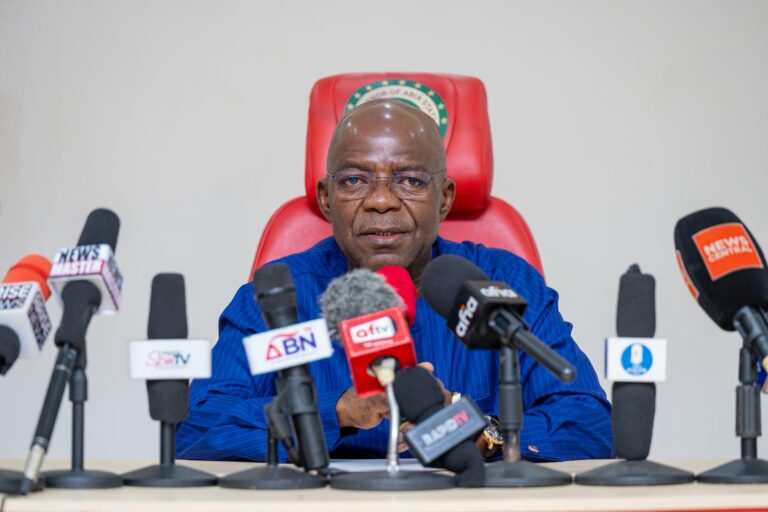




The Fiscal Responsibility Commission has called for stronger institutional and operational support to drive ongoing reforms of Nigeria’s fiscal responsibility framework, including amendments to the Fiscal Responsibility Act 2007 and improved implementation capacity.
The FRC disclosed this in a statement on Tuesday, after its acting Chairman, Charles Abana, led the commission’s management team on a courtesy visit to the Permanent Secretary of the Federal Ministry of Finance, Mr Raymond Omachi, at the ministry’s headquarters in Abuja.
Speaking during the visit, Abana described the Permanent Secretary as a key figure in the history of the commission, noting that Omachi was among the pioneer staff of the FRC and served as its first Head of Accounts. He said the visit was deliberately made to recognise that longstanding institutional connection.
“There is virtually no story about the commission that the Permanent Secretary does not know,” Abana said, adding that the Federal Ministry of Finance remains a “big brother” to government agencies and a key stakeholder in the Commission’s activities.
He appreciated the support previously extended to the commission by the Permanent Secretary, particularly during the tenure of the immediate past Chairman of the FRC, Victor Muruako, and appealed for continued cooperation.
Abana also briefed the Permanent Secretary on the outcome of the commission’s recent management retreat, where a strategic work plan was developed to align operations with international best practices.
He disclosed that the commission had concluded arrangements to organise a workshop on Fiscal Responsibility Index studies for Ministries, Departments, and Agencies.
The acting chairman further highlighted ongoing efforts to amend the Fiscal Responsibility Act 2007, noting that while the law contains several offences, many lack corresponding sanctions.
He explained that the commission is currently working with the Federal Ministry of Justice to strengthen the Act and improve enforcement. He also said discussions were ongoing with the National Assembly on fiscal rules and the process for gazetting them.
On manpower challenges, Abana said the commission is facing staff shortages due to the migration of employees to other government agencies offering better remuneration. He called for recruitment, training, and retraining to strengthen capacity.
He also raised concerns over inadequate office accommodation, describing the current arrangement as unsuitable, with deputy directors sharing office spaces with junior officers. He appealed for intervention to address the issue.
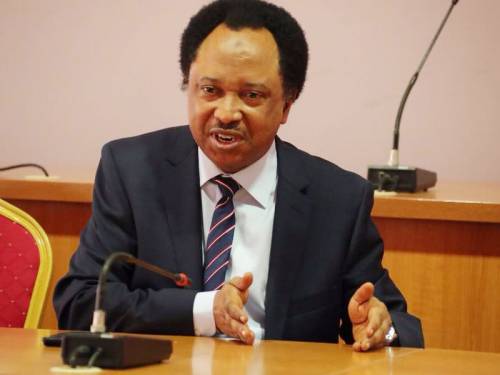
In his response, the Permanent Secretary, Mr Raymond Omachi, expressed satisfaction with the visit and commended Abana’s leadership. Omachi said he was confident in Abana’s ability, as a foundation member of the commission, to reposition the FRC for greater impact.
He noted that the Commission had made significant contributions to fiscal discipline and accountability in Nigeria, stressing that the Fiscal Responsibility Act 2007 has remained central to the prudent management of national resources.
He acknowledged the poor office conditions and advised the commission to formally engage the Office of the Secretary to the Government of the Federation, which he described as its supervisory authority, on accommodation challenges.
On the proposed amendment of the FRA 2007, Omachi assured the Commission of the ministry’s support, particularly during public hearings and stakeholder engagements. He further pledged continued institutional backing, noting that the agency’s responsibilities require adequate funding and support.
Omachi also urged staff members to support the leadership of Barrister Abana in advancing the Commission’s mandate.