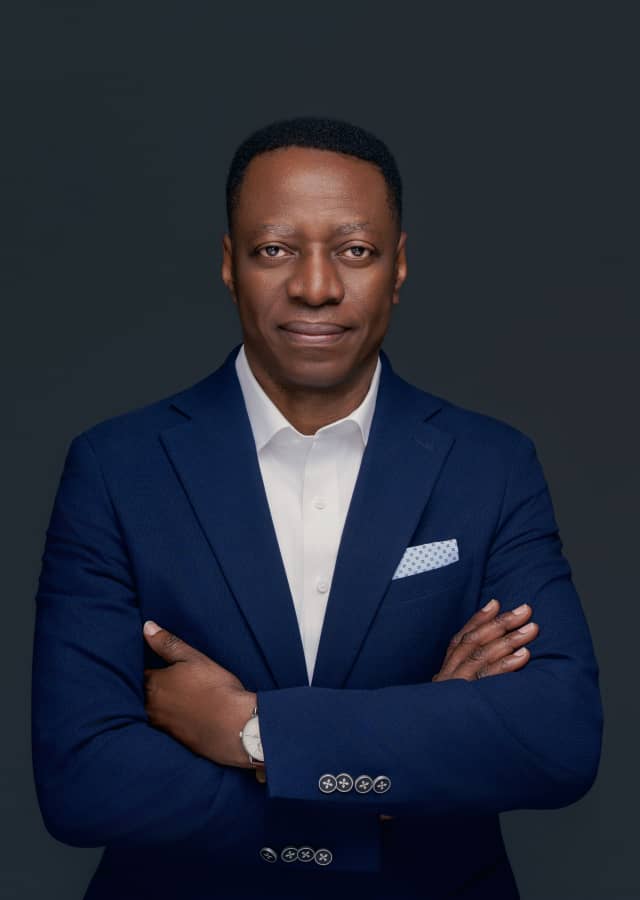
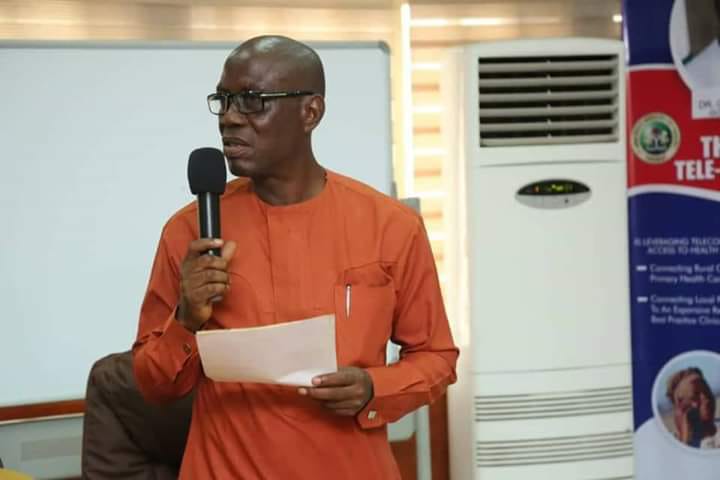
The founder of Daystar Christian Centre and Strategic Leadership Consultant, Dr Sam Adeyemi, has urged Nigerians to demand a national dialogue on the country’s future direction, warning that elections without clear national alignment risk repeating past outcomes.
In a statement issued on Monday by the head of Communication Daystar Christian Centre, Mr Ayo Makinde, said “Anything short of a clear national vision for Nigeria to become a developed economy is a waste of everyone’s time,” he said while addressing growing concerns about the nation’s trajectory ahead of upcoming elections.
Adeyemi emphasised that while elections remain a critical component of democracy, they are not sufficient on their own to deliver meaningful or sustained progress.
“Change is difficult at every level, whether individual, organisational, or national,” he noted. “Two things are essential: goals and systems. Goals provide direction, but it is systems – the structures, habits, and governing principles – that produce results.”
He stressed that without a clearly defined and collectively agreed national vision, electoral cycles are unlikely to produce different outcomes, regardless of leadership changes.
Dr. Adeyemi described the current situation in Nigeria as deeply distressing, citing widespread hardship and insecurity as evidence of systemic breakdowns. He referenced incidents of violence as indicators of deeper failures across family structures, education systems, and governance frameworks.
According to him, a properly convened national dialogue would provide a platform for citizens, leaders, and stakeholders to align on a shared vision for Nigeria’s future, including the goal of building a developed and functional economy.
He called on Nigerians to take an active role in this process by consistently demanding clarity of direction before, during, and after elections.
“Citizens must demand a national discussion,” he said. “We must collectively and consistently ask: where exactly is Nigeria going? Let us demand it before the elections. Let’s demand it during the elections. Let’s demand it after the elections”.
He also highlighted the role of Nigerians in the diaspora, noting that their exposure to functional systems in developed economies positions them to contribute valuable insight into shaping practical pathways for national development.
Addressing societal mindset, Dr Adeyemi cautioned against what he described as “cultural cowardice”, a tendency to accept limitations and doubt the possibility of transformation. He urged Nigerians to adopt a mindset of responsibility, courage, and belief in the nation’s potential.
On governance, he stressed that many of Nigeria’s current challenges are rooted in structural weaknesses, pointing to the need for comprehensive reforms, including a review of foundational national frameworks.
Dr Adeyemi concluded with a dual call to action: citizens must demand accountability and direction, while leaders must respond by delivering policies and systems that drive inclusive growth and long-term development.
He warned that failure on both sides would widen inequality and intensify national hardship.
“National development is a shared responsibility,” he said. “Citizens must demand direction, and leaders must supply development.”