

The Nigerian Society of Chemical Engineers (NSCHE), has asked the Federal Government to introduce temporary measures to cushion the inflationary impact of disruptions in the Strait of Hormuz caused by the USA/Israel-Iran conflict.
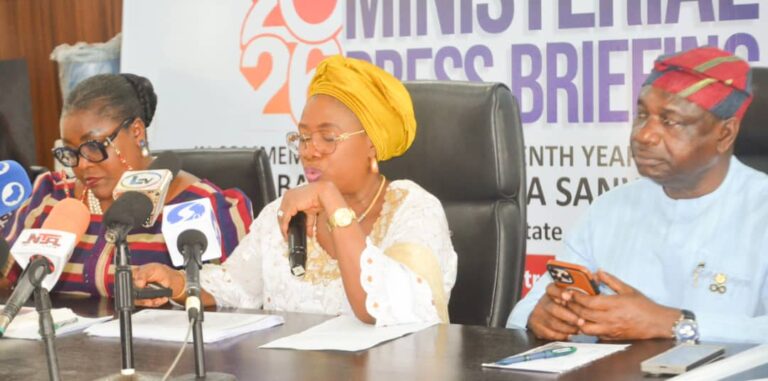
The National President, Engineer Bayo Olarewaju- Alo, who gave the call while addressing journalists in Lagos on Monday, said the disruption has affected crude and refined product flows, leading to higher energy costs, increased transportation costs and reduced purchasing power for citizens and businesses.
The society described the situation as an emergency cost-of-living and economic stability issue.
NSChE recommended that the government temporarily suspend or reduce port charges, regulatory fees, customs-related fees, inspection charges and other surcharges on petrol, diesel and aviation fuel for 90 to 180 days or until normalcy returns, in order to lower the landed cost of the products.
The engineers also called for a transparent, temporary price stabilisation mechanism funded solely from windfall crude oil earnings above the budget benchmark. They said the intervention should be rule-based, time-bound and publicly disclosed, similar to measures adopted by other countries.
On diesel, which powers transportation, food distribution, manufacturing, telecoms, hospitals and SMEs, NSChE urged the government to provide targeted relief for registered mass-transit operators, food logistics providers and other strategic productive sectors to ease operating costs.
For aviation, the society said regulators should support temporary bulk procurement arrangements, credit guarantees and reduced charges on aviation turbine kerosene to prevent sharp increases in airfares and disruptions to domestic flight services.
NSChE further advised that NNPC, Dangote Refinery, importers and other refiners publish weekly supply, stock and pricing data under the oversight of the Nigerian Midstream and Downstream Petroleum Regulatory Authority (NMDPRA), to discourage speculative pricing and hoarding.
“Where domestic refining capacity is insufficient, the government should allow transparent, competitive importation by credible marketers while ensuring all products meet Nigerian standards and pricing remains controlled by NMDPRA, he said.
The engineers also recommended that the government redirect resources toward mass transit systems, including buses, rail and CNG-based transport programmes across all income categories.
NSChE said the fuel-price shock requires “disciplined and strategic intervention rather than a return to fiscally unsustainable blanket subsidy.”
“Government should adopt temporary, transparent and targeted measures aimed at cushioning citizens, reducing inflationary pressures, and protecting productive sectors,” the society said.
“These measures are justified to prevent the fuel-price shock from cascading into food inflation, transport paralysis, business closures and deeper poverty.”
It added that the government must also demonstrate shared sacrifice by cutting wasteful public expenditures and redirecting scarce resources toward interventions that directly improve welfare and economic resilience.