
As part of steps towards boosting agricultural productivity and food security in the country, the Bank of Agriculture (BOA) has unveiled a constituency-driven mechanisation model that allows members of the House of Representatives to acquire subsidised tractors for farming communities.
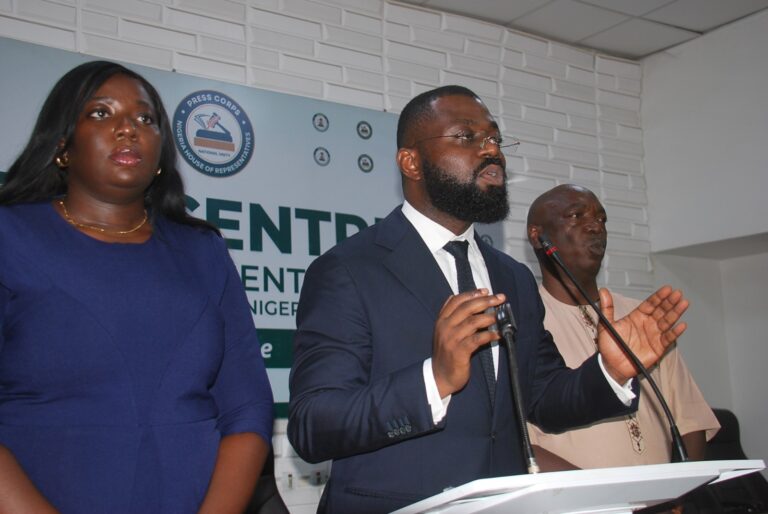
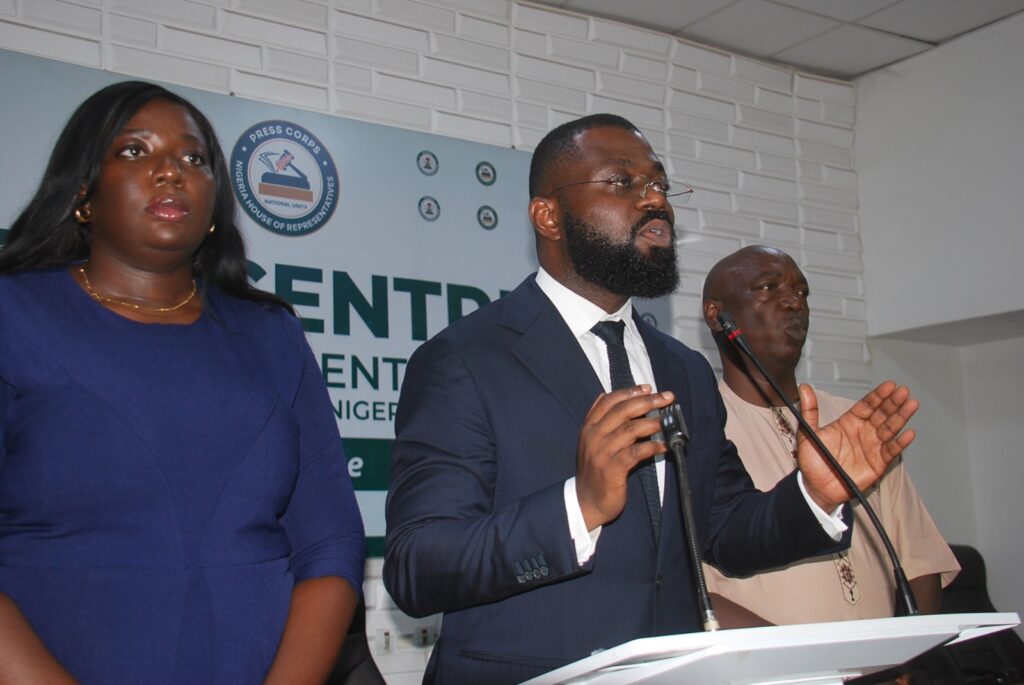
The Managing Director of the bank, Mr Ayo Sotinrin, disclosed this on Tuesday while addressing the plenary of the House presided over by Deputy Speaker Benjamin Kalu.
He said under the scheme, lawmakers would pay about 60 per cent of the cost of each tractor, which would then be deployed to their constituencies, not for personal use, but as shared assets to serve farming communities.
Sontinrin explained that the initiative is designed to ensure wider access to mechanisation, noting that most rural populations are predominantly farmers.
According to him, rather than concentrating tractors in the hands of a few individuals, the new model promotes the use of mechanisation service providers who can cover large swathes of farmland.
Highlighting the policy, Sontinrin said, “The idea is simple. A tractor in the hands of a service provider can mechanise up to 600 hectares annually. With 2,000 tractors, we can reach about 1.2 million hectares. That is how to impact millions of farmers, not just a few,” he said.
He disclosed that the BOA would partner with lawmakers to establish farming hubs in constituencies. These hubs will integrate mechanisation services, input supply, irrigation, aggregation of produce, and access to banking services.
The managing director, who later briefed the press after his presentation on the floor of the House, informed that the bank has digitised its processes, enabling farmers, even those without Bank Verification Numbers (BVN) or National Identification Numbers (NIN), to be onboarded, profiled and gradually integrated into the financial system.
According to him, the bank has moved away from direct microcredit to smallholder farmers, opting instead to work through aggregators and extension services.
“We don’t give cash loans to small farmers anymore. Aggregators help manage the entire farming cycle—from inputs to harvest, ensuring better yields and accountability,” he said.
Speaking further, he disclosed that with the new structure, farmers are expected to increase productivity from an average of one to two tonnes per hectare to higher outputs, supported by improved inputs and irrigation that could enable multiple farming cycles annually.
Sotinrin argued that improved earnings from farming would help lift rural populations out of multidimensional poverty and reduce insecurity.
“If farmers can earn N3m to N4m per cycle, they will stay on their farms and not engage in criminal activities. It’s a natural stabiliser,” he said.
He also revealed that the programme would be extended to Internally Displaced Persons (IDPs), with tailored support to help them return to productive livelihoods.
On financing, Sotinrin clarified that the tractors are not grants, stressing that beneficiaries must pay for them, with repayments recycled to procure more equipment.
He noted that the tractors are priced between N43m and N50m, significantly lower than market rates and that lawmakers are expected to pay outright, albeit at subsidised rates.
To ensure sustainability, he disclosed that plans are underway to establish a tractor assembly plant in the Federal Capital Territory in partnership with Belarusian firms, alongside seven mechanisation service centres across the country for maintenance and training.
Sotinrin described the initiative as “the largest mechanisation programme in Africa,” adding that it is structured to be self-sustaining through a continuous cycle of investment and reinvestment.
He said, “This is not about distributing tractors; it’s about building an ecosystem that transforms agriculture at scale.”
In February, the Bank of Agriculture (BOA) began distributing 2,000 tractors to farmers nationwide, a significant to
The initiative, which aligns with President Bola Tinubu’s Renewed Hope Agenda, introduces a Pay-As-You-Service (PAYS) repayment model designed to ensure sustainability and broad access for smallholder farmers.