
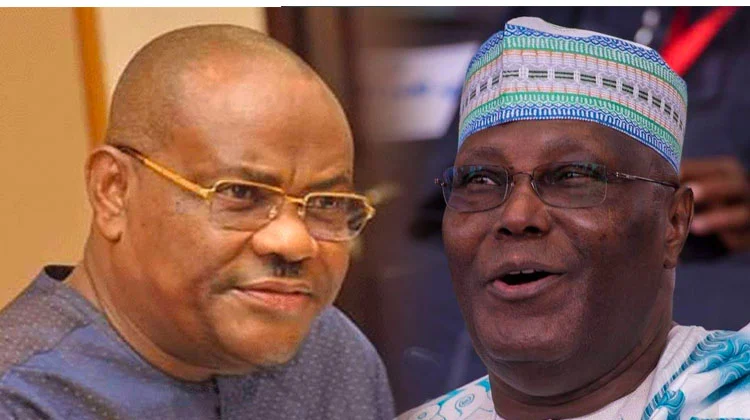
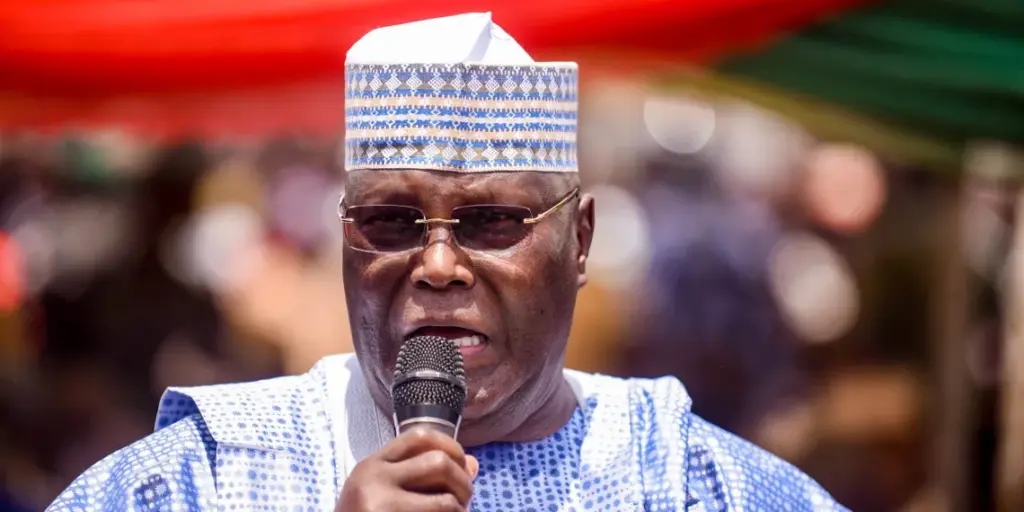
The Presidency has described former Vice-President Atiku Abubakar’s recent television interview as lacking substance and failing to present a credible alternative to government policies.
The Special Adviser to President Bola Ahmed Tinubu on Media and Public Communication, Sunday Dare, in a statement issued on Thursday, said the interview did not reflect leadership or policy depth.
The statement reads, “Atiku Abubakar’s latest television outing didn’t cover him in glory — it was a disaster, an unravelling broadcast in real time.
“What Nigerians witnessed was not leadership, not vision, and certainly not readiness for office. It was a disjointed, self-indulgent performance marked by contradictions, bluster, and a startling absence of substance on matters of national importance.”
READ ALSO:
Dare argued that Atiku failed to articulate a clear policy direction, particularly at a time when the current administration is implementing economic reforms.
“At a time when the country is undergoing difficult but necessary economic reforms, Atiku offered nothing resembling a credible alternative. When pressed for policy direction, there was none. No framework, no roadmap, just the familiar refrain of opposition for its own sake,” he added.
He further accused the former vice-president of prioritising personal ambition over national interest.
“Strip away the rhetoric, and one thing becomes clear: the only discernible agenda is personal ambition,” Dare added.
The presidential aide also faulted Atiku’s criticism of government policies, describing it as lacking clarity and depth.
“Criticism without substance is not leadership — it is evasion. And in a moment that demanded clarity and depth, what Nigerians got was vagueness and deflection,” he said.
Dare also claimed that the interview alienated various groups, including political allies and younger Nigerians.
“In one sweep, he managed to alienate nearly every constituency — young people, political allies, and even figures within his own broader political history. It was not a message of unity or coalition-building; it was a monologue of grievance.
He concluded that the appearance reinforced concerns about Atiku’s leadership credentials.
“For many Nigerians, that interview settled any lingering doubts. It was not just unconvincing — it was disqualifying. Atiku Abubakar is not being denied relevance. He is losing it — publicly, steadily, and now unmistakably.”