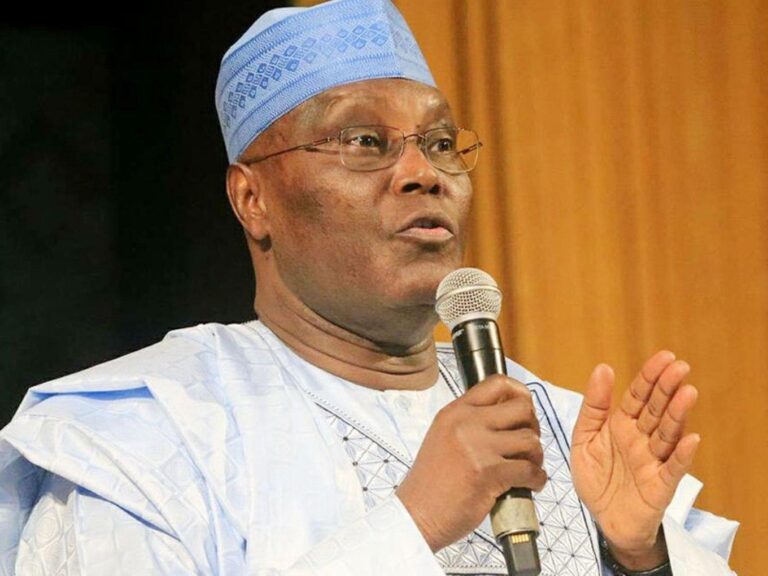
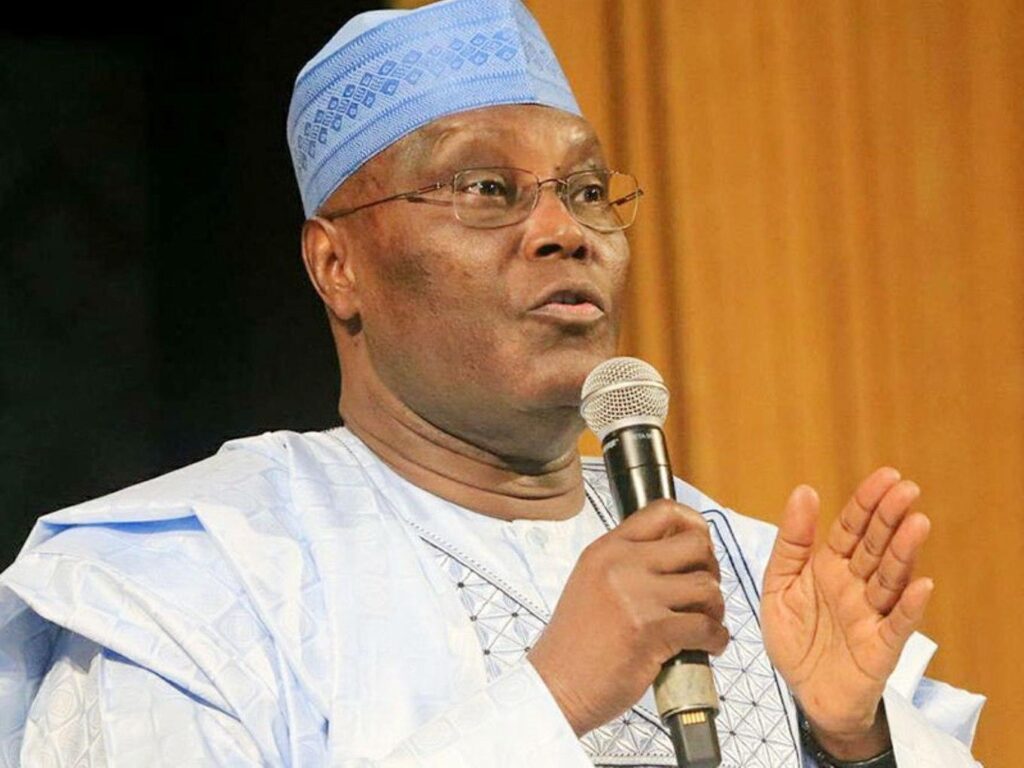
The African Democratic Party (ADC) Presidential hopeful and former Vice President, Atiku Abubakar has berated the Federal Government over what he described as poor economic management, citing a significant decline in foreign reserves despite oil windfall.
New Telegraph reports that Nigeria’s external reserves dropped to $48.45 billion as of April 24 from $48.72 billion recorded the previous week, representing a decline of about $1.57 billion since March 11.
Reacting to the development in a statement issued by his Senior Special Assistant on Public Communication, Phrank Shaibu, Atiku said the development exposed a disturbing trend.
He maintained that the consistent decline of reserves shows that the Central Bank of Nigeria (CBN) was injecting liquidity to support the naira, describing the approach as unsustainable.
He stated: “On one hand, the nation’s external reserves have declined to $48.45 billion, with a cumulative depletion of about $1.57 billion since March 11.
“On the other hand, Nigeria has reportedly earned N5 trillion from the oil windfall within the same period.
READ ALSO:
“This contradiction of dwindling reserves amid rising oil earnings exposes a dangerous pattern of economic mismanagement. This is not stability; it is a fragile illusion sustained by burning through national savings.
“A nation cannot consume its buffers to mask policy failures while ignoring the structural weaknesses undermining its currency.”
According to him, defending the naira without improving productivity, exports, and investor confidence will worsen the situation, likening the policy to pouring water into a basket.
Lamenting that the oil windfall had not translated into relief for Nigerians, who are facing high fuel prices, rising transport costs and inflation, Atiku described the situation as unjust and called for targeted measures to cushion the impact of fuel price increases, stabilise food supply and support vulnerable Nigerians.
Nigeria could record an additional N6.8 trillion in oil revenue in 2026 as rising crude prices driven by the ongoing United States-Iran conflict strengthen the country’s fiscal outlook.
This is according to BMI, a unit of Fitch Solutions, in its April Sub-Saharan Africa market assessment, which also raised Nigeria’s 2026 growth forecast.
The report highlights how higher global oil prices, alongside ongoing domestic reforms, are expected to support government revenues and improve macroeconomic stability despite lingering inflationary pressures.
BMI estimates that Nigeria’s fiscal position will benefit significantly from higher oil prices, with Brent crude now projected to average $78 per barrel in 2026.
“Higher Brent crude prices, now expected to average $78bbl versus $67bbl pre-conflict, should deliver a fiscal windfall of about N6.8 trillion, or just over one per cent of GDP”.
Nigeria’s real Gross Domestic Product (GDP) growth forecast for 2026 was increased from 4.3 per cent to 4.4 per cent.
Petrol prices in Nigeria have risen by over 50 per cent since the escalation of the Middle East conflict.
BMI noted that Nigeria was less exposed to economic disruptions from the conflict than other Sub-Saharan African economies, supporting its improved growth outlook.