

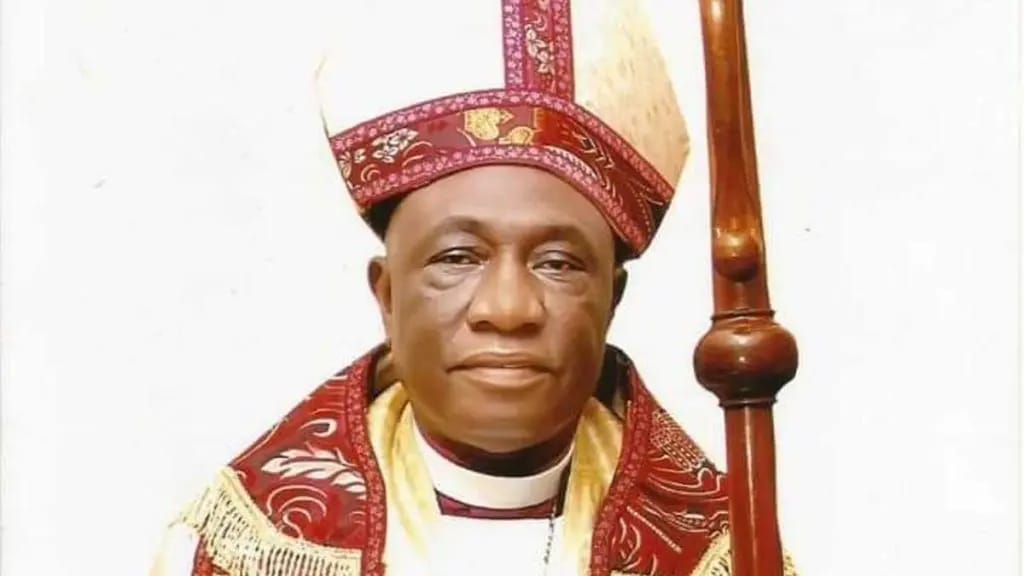
The Most Rev. Israel Afolabi Amoo has urged the three tiers of government in Nigeria to prioritise good governance, capacity building, transparency and accountability as essential tools for tackling insecurity and poverty, improving service delivery and restoring public confidence in governance.
The Archbishop of the Ecclesiastical Province of Kwara and Bishop of the Anglican Diocese of New Bussa made the call while delivering his Bishop’s Charge at the Second Session of the Sixth Synod of the Diocese of New Bussa, held at St. John Church, under the theme: “Godly Remnants” (Isaiah 37:31-32).
Archbishop Amoo emphasised that a peaceful, secure and just society remains indispensable for sustainable growth and national development.
The cleric described the current security situation in the country as alarming and frightening, noting that insecurity has become one of the greatest threats to national development.
According to him, no segment of society is spared from the menace, as the rich and poor, young and old, schools, institutions and places of worship have all become targets of criminal activities.
“The challenge of insecurity of lives and property has assumed an alarming proportion in Nigeria. There is hardly any safety anywhere, and Nigerians are confronted daily with various forms of hardship and fear,” he said.
The Archbishop lamented the activities of terrorists, kidnappers, armed robbers and other criminal elements, stressing that the prevailing atmosphere of fear discourages investment, weakens economic growth and undermines national development.
He called on the Federal Government to adequately equip security agencies with modern weapons and intelligence-gathering capabilities to effectively confront criminal elements threatening the nation’s peace and stability.
He also advocated regular theoretical, psychological and practical training for security personnel to enhance their operational effectiveness.
Speaking on the nation’s economy, Archbishop Amoo noted that despite Nigeria’s vast human and natural resources, poverty continues to increase among citizens.
He observed that economic growth has not translated into improved living standards for many Nigerians and attributed the situation partly to the country’s overdependence on crude oil revenues.
The cleric urged the government to pursue aggressive industrialisation and economic diversification policies capable of creating sustainable wealth, generating employment opportunities and promoting local production.
“We must move from merely sharing the national cake to baking it. Nigeria must harness its abundant resources to establish industries, create jobs and improve the welfare of the people,” he stated.
On governance, the Archbishop lamented what he described as widespread corruption, poor service delivery, decaying infrastructure, inadequate healthcare facilities and the declining standard of education across the country.
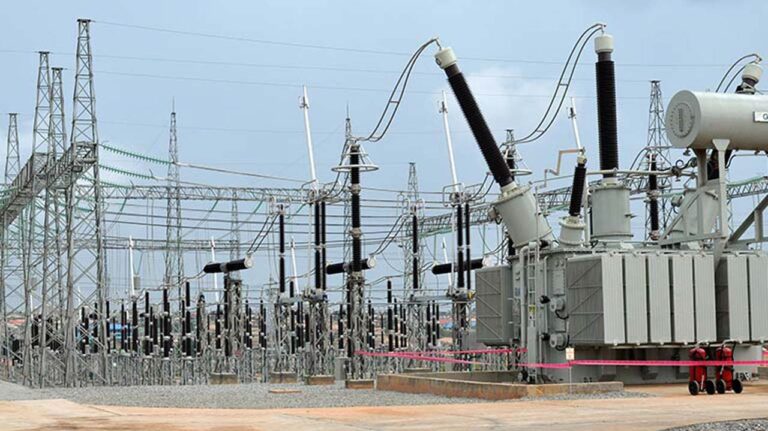
He expressed concern over the poor state of roads, irregular electricity supply, inadequate potable water and the growing unemployment rate, saying these challenges have eroded public confidence in government institutions.
Archbishop Amoo further decried the increasing influence of money, ethnicity and mediocrity in politics and public appointments, warning that such practices undermine efficiency and national development.
The church leader called for a renewed commitment to transparency, accountability, merit-based leadership and human capital development.
The cleric stressed that Nigeria’s quest for good governance would only be achieved through a change in societal values, selfless leadership, strengthened public institutions and effective anti-corruption mechanisms.








