

…over 70% members yet to be cleared or paid – NULGE
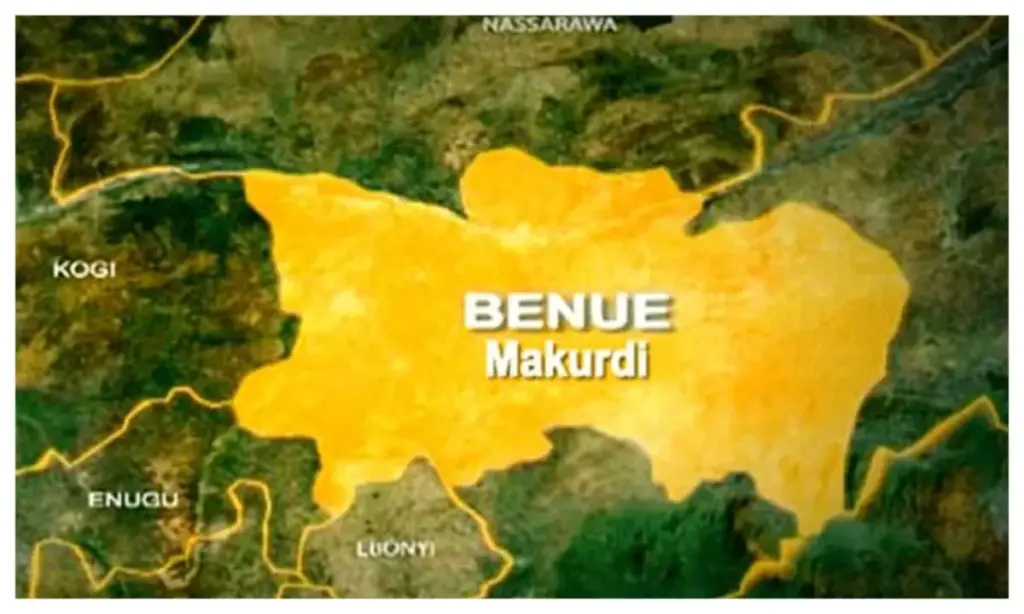
The Nigeria Union of Local Government Employees (NULGE), Benue State chapter, has threatened industrial action over worsening welfare conditions, including delayed salaries, stalled promotions, and an ongoing staff screening exercise it described as “devastating.”
In an open letter dated April 21, 2026, and signed by its State President, Joshua Adak Odiniya, and Secretary, Dickson Igbe, the union said over 70 per cent of its members have neither been cleared nor paid, a situation it warned is pushing workers and their families into severe hardship.
NULGE said the situation has become more critical given rising economic pressures, school resumption demands, and the ongoing farming season, which many rural workers depend on for survival.
The union described the development as “devastating,” warning that continued delays could trigger a full-blown crisis in local government administration across the state.
It also raised concerns over stalled promotions, outstanding salary arrears, unresolved pension issues, and the alleged disengagement of some staff members, insisting that the cumulative effect has further weakened morale and productivity at the grassroots level.
According to the union, the screening exercise currently being conducted across local governments has moved at a “painfully slow pace,” leaving thousands of workers in uncertainty.
NULGE warned that if urgent steps were not taken to resolve the issues, it may be forced to take decisive industrial action to protect the welfare of its members.
The union further urged relevant authorities to expedite the screening process, clear outstanding payments, and address all pending labour-related issues affecting local government workers in the state.
Meanwhile, a civil society organisation, the Coalition for Grassroots Development in Benue, has blamed rising insecurity and worsening living conditions in the state on what it described as the systematic strangulation of local government administration.
In a statement signed by its National President, Dr Shima Asongu, and Secretary, Comrade Emmanuel Abuul, the group accused state-level bureaucratic bottlenecks and financial restrictions of crippling grassroots governance and weakening emergency response capacity.
It warned that delays in accessing local government funds were not only costing lives but also worsening poverty, hunger, and social instability across rural communities.
The statement partly read: “No matter how dire the situation, local governments cannot access funds promptly to respond. This is both alarming and unacceptable.”
The coalition alleged that council authorities are subjected to multiple layers of approvals from commissioners to committees and sometimes the governor before accessing funds, a process it said could take up to three weeks or more, even during emergencies.
It warned that the consequences extend beyond insecurity, including near-collapse of primary healthcare, poor waste management, abandonment of rural infrastructure, and worsening food insecurity as farmers struggle to access support during planting seasons.
The group also decried alleged salary delays, payroll removals, and weakening of traditional institutions due to unpaid stipends, saying these developments have eroded conflict resolution systems and worsened communal tensions.
It further faulted the Benue State Ministry of Finance, insisting that the Commissioner of Finance has no legal authority to audit local government treasuries or screen council staff, powers it said belong solely to the Auditor-General for Local Governments.
The coalition also condemned the alleged freezing of local government accounts, describing it as unconstitutional and dangerous to governance.
“Government business must run. Local governments must function. Freezing their accounts at a time of escalating insecurity is not just ill-timed, it is dangerous,” the statement added.
It warned that growing frustration among council workers and officials could deepen distrust in government and worsen youth unemployment and restiveness.
“When you cripple the local government, you cripple the first line of defence. And when that happens, insecurity thrives,” the group declared.
Expressing concern over political implications, the coalition urged Governor Hyacinth Alia to urgently intervene, warning that the situation could affect public perception of his administration if left unresolved.
“We appreciate the governor and commend him for the good work he has done so far in the state. However, given the growing discontent arising from the actions of the State Commissioner for Finance and the Local Government Screening Committee, we urge him to intervene urgently.”