
ImpactHER has raised 5,000 women entrepreneurs from 58 African countries to explore the $5 trillion global green economy market.
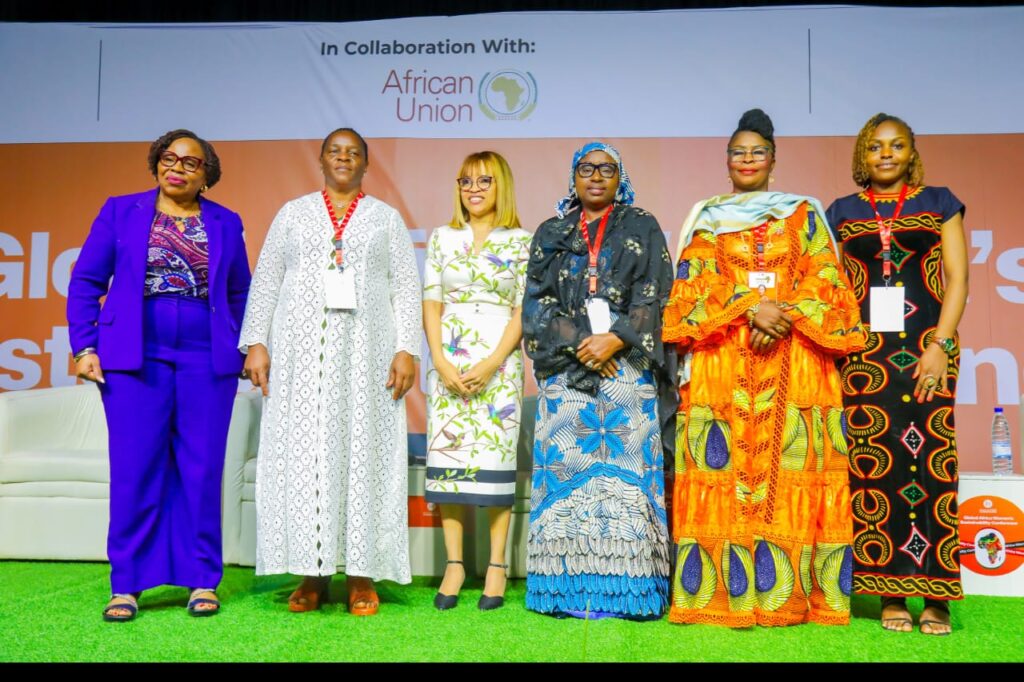
The Non-Governmental Organisation gathered that the female business owners in Abuja to discuss how they could become major players in the green economy, dedicated to empowering females.
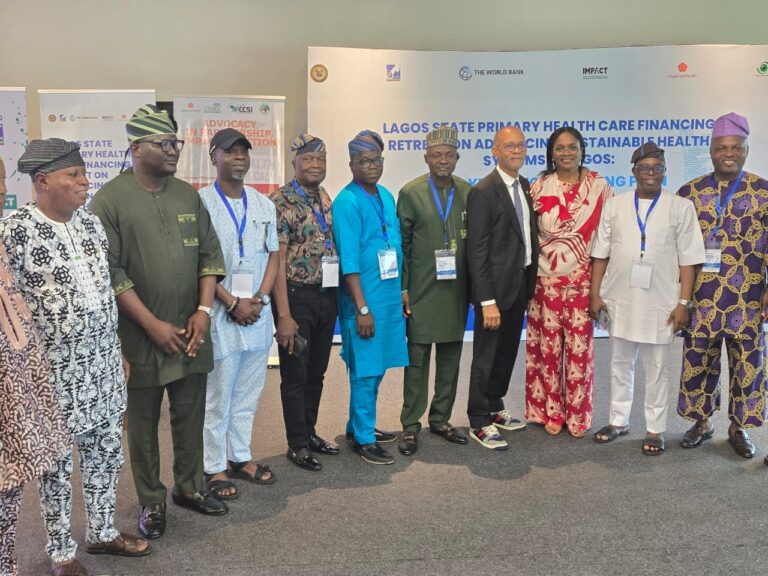
The gathering was the second edition of the Global African Women Sustainability Conference with the theme: “Rethink, Reinvest, Regenerate: Women Entrepreneurs As Architects of Global Africa’s Sustainable Future which had in attendance over 10 African ministers, 20 African governments, United States (US) mayoral leadership, Latin America government representation, Caribbean government delegations, The African Development Bank (ADB), United Nations Conference on Trade and Development and the African Export-Import Bank.
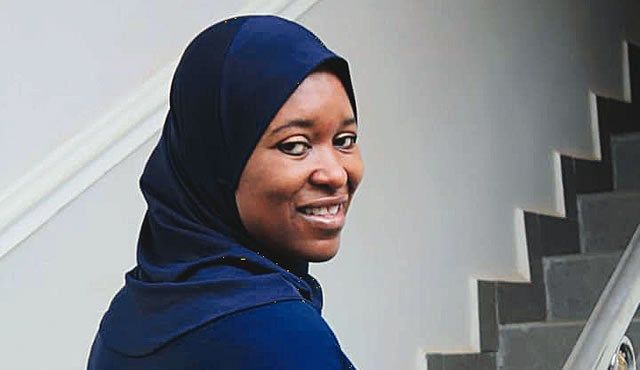
According to the Founder of ImpactHER Africa, Efe Ukala, the global green economy is worth more than $5 trillion a year, and it would reach $7 trillion by 2030, as it is growing twice as fast as conventional industries.
She explained: “The global African women who already farm regeneratively, building with waste, weaving with eco-dyes and powering villages with the sun should be a part of the market and not outside it. Consumers around the world are now willing to pay nearly 10 per cent for sustainably produced goods, 10 per cent more.
“The premium is real, and that tells us there is a market. Furthermore, an estimated 70 per cent of informal cross-border trade in Africa is conducted by women. This brings us to the question: why are our women stuck in the informal economy?”
Ukala noted that certifications had posed a barrier to African women’s involvement in global trade.
She noted: “Our women have the products. They do not have the paperwork. They have the practice; they do not have the proof. They have the sustainability, but they do not have the certificate that lets the world see it. This is the gap that the sustainability conference is seeking to close.
“One of the sessions in this conference extensively dealt with “Sustainable Business Foundations,” certifications, standards, and start-up rules. Our women deserve an ISO certification, an export license and a global buyer for their products.”
The Ministers from Nigeria, Chad, Uganda, Zimbabwe, Gambia, Sierra Leone, Côte d’Ivoire, Zambia, and Gabon, who were active participants in the conference, all pledged to strengthen access to female entrepreneurs in their various countries as they hold the golden torch to Africa’s collective success.